
Indiana
Indiana Ring Doorbell Laws: What You Need to Know in 2026
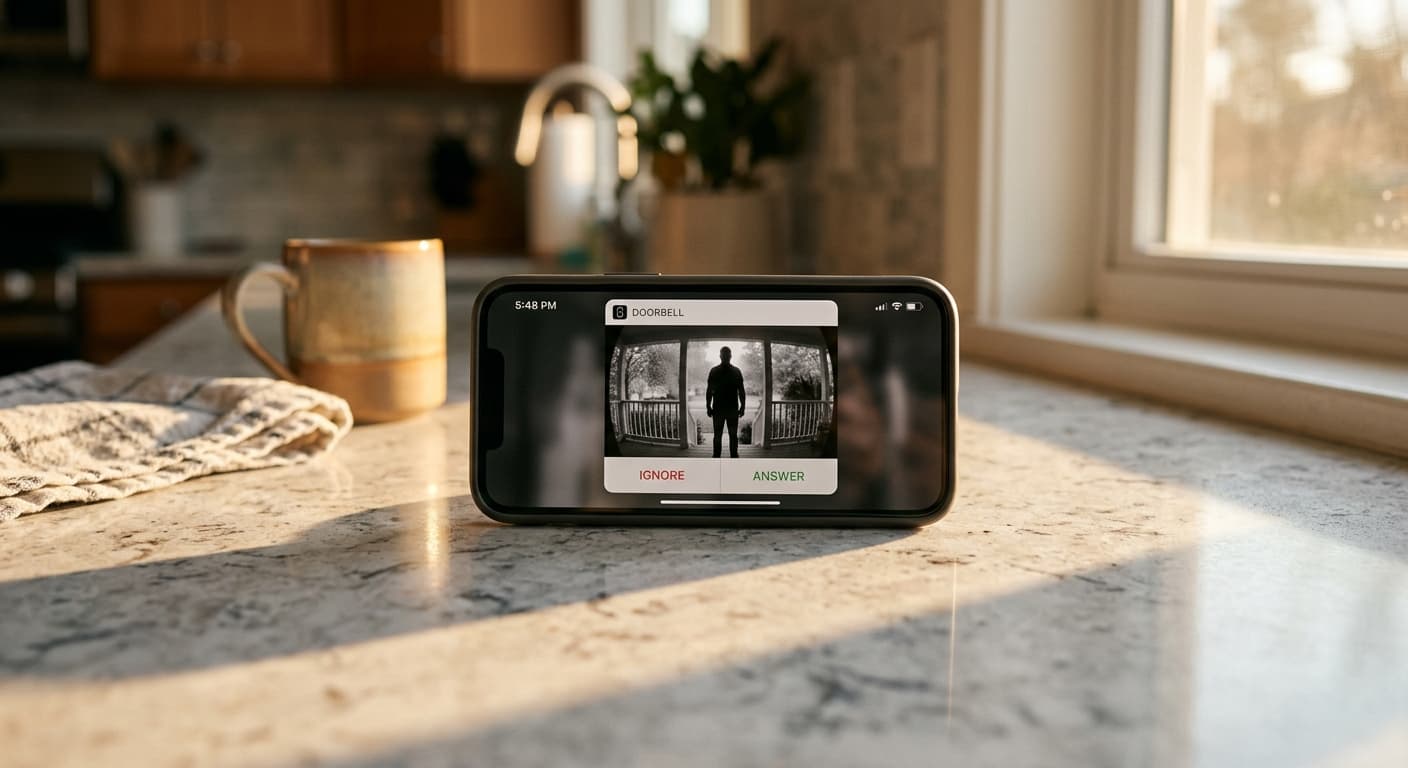
Indiana is a one-party consent state for audio recording, which makes using a Ring doorbell significantly less complicated than in stricter states. Ring doorbell owners in Indiana can legally record audio as long as they are a party to the conversation or one participant consents. Video recording on your own property is broadly permitted.
That said, Indiana law does impose limits. Voyeurism statutes, unauthorized surveillance rules, and privacy protections for renters and neighbors all shape how Ring doorbells can be used legally. Knowing the boundaries helps Indiana residents avoid criminal charges and civil disputes.
Audio Recording Laws and Ring Doorbells in Indiana
Indiana follows the one-party consent rule for audio recording. Under the Indiana Wiretap Act (IC 35-33.5-5), a recording of a telephonic or telegraphic communication is not considered an "interception" if it is made with the consent of the sender or receiver of the communication. This means that as long as one person involved in a conversation agrees to the recording, the recording is lawful.
For Ring doorbell owners, this is a meaningful legal advantage. When you answer your Ring doorbell and speak with a visitor through the two-way audio feature, you are a party to that conversation. Your consent satisfies Indiana's one-party consent requirement, making that audio recording legal.

When One-Party Consent Gets Complicated
The one-party consent rule protects Ring doorbell owners during active two-way conversations. The legal picture becomes less clear when the Ring doorbell records audio of conversations between other people, such as two visitors talking to each other on your porch, where you are not a participant.
Under Indiana law, "interception" requires the intentional recording of a communication by a person other than a sender or receiver without the consent of either party. If your Ring doorbell passively records a conversation between two strangers on your porch, you are not a party to that conversation. Whether this constitutes an unlawful interception depends on the circumstances, including whether the individuals had a reasonable expectation of privacy.
Conversations held in a public or semi-public area like a front porch generally carry a lower expectation of privacy. Posting visible signage that audio recording is in progress further reduces the risk by eliminating any claim to private conversation.
Penalties for Unlawful Interception
A person who knowingly or intentionally intercepts a communication in violation of the Indiana Wiretap Act commits unlawful interception, classified as a Level 5 felony. A Level 5 felony in Indiana carries a sentence of 1 to 6 years in prison, with an advisory sentence of 3 years, and a fine of up to $10,000.
Video Recording Laws and Ring Doorbells
Indiana places few restrictions on video recording in public or semi-public spaces. Ring doorbells that record video of your front porch, driveway, sidewalk, and other areas visible from public view are generally lawful.
The primary video recording restrictions in Indiana come from two statutes: the voyeurism law (IC 35-45-4-5) and the unauthorized surveillance statute (IC 35-46-8.5-1).
Voyeurism (IC 35-45-4-5)
Indiana's voyeurism statute prohibits recording in areas where individuals have a reasonable expectation of privacy, such as bathrooms, bedrooms, and dressing rooms. "Peeping" is defined as any looking of a clandestine, surreptitious, prying, or secretive nature, or using a concealed camera with the intent of capturing an intimate image.
A Ring doorbell installed on your own front door and pointed outward does not trigger this statute under normal circumstances. The statute becomes relevant if a camera is positioned to capture images inside a neighbor's home or in any area where someone could reasonably be expected to disrobe.
Voyeurism is a Class B misdemeanor in its basic form (up to 180 days in jail, $1,000 fine). Recording images in private areas without consent elevates the charge to a Level 6 felony (6 months to 2.5 years in prison, up to $10,000 fine). If the recorded images are published or disseminated, the penalty increases further.
House Bill 1047, signed into law on March 12, 2024, amended the definition of "peeping" to include "using a concealed camera with the intent of capturing an intimate image," effective July 1, 2024.

Unauthorized Surveillance on Private Property (IC 35-46-8.5-1)
Indiana law makes it a Class A misdemeanor to knowingly or intentionally place an unattended camera or electronic surveillance equipment on the private property of another person without the owner's or tenant's consent. This means you cannot mount a Ring camera on a neighbor's property, a shared fence that belongs to your neighbor, or any structure you do not own or have permission to use.
A Class A misdemeanor carries up to 1 year in jail and a fine of up to $5,000.
HOA and Ring Doorbells in Indiana
Indiana HOAs have the authority to regulate Ring doorbell installations through their governing documents, bylaws, and architectural review committees.
Common HOA Restrictions
Indiana homeowners associations that allow Ring doorbells typically require:
- Approval from the architectural review committee (ARC) before installation.
- Specific placement guidelines to prevent cameras from recording neighboring units or common areas excessively.
- Restrictions on camera models that may not conform to the community's aesthetic standards.
- Rules against audio recording in shared common areas.
Can an Indiana HOA Ban Ring Doorbells?
Yes. Indiana HOAs have the implied power to adopt reasonable rules governing the use of individually owned property to protect the common property and community standards. An HOA can prohibit exterior cameras, including Ring doorbells, through its covenants, conditions, and restrictions (CC&Rs). Indiana does not have a state statute that overrides an HOA's authority to ban doorbell cameras.
Homeowners who disagree with an HOA camera ban may challenge the rule if they believe it is unreasonable, but Indiana courts generally defer to HOA governing documents that were in place when the homeowner purchased the property.
Landlord and Tenant Rights
Indiana landlord-tenant law does not include specific provisions for Ring doorbell cameras, but general property and privacy principles apply.
Tenant Installation Rights
Tenants in Indiana can generally install security devices inside their own rental units without landlord approval. Exterior installations, including Ring doorbells on the front door, typically require the landlord's permission because the tenant does not own the exterior structure.
Unless the lease explicitly addresses surveillance devices, tenants should request written approval from the landlord before installing a Ring doorbell. Some Indiana landlords include lease provisions that specifically address smart home devices, security cameras, and modifications to exterior doors.
Landlord-Installed Ring Doorbells
Landlords in Indiana may install Ring doorbells on rental properties as part of the property's security infrastructure. The landlord should disclose the presence of any recording devices to tenants and obtain consent for audio recording. A landlord who monitors a tenant's comings and goings through a Ring doorbell without disclosure could face privacy complaints, even though Indiana's one-party consent law may not be technically violated.
Landlords cannot use Ring doorbells or any other surveillance device to record inside a tenant's rental unit. This would violate Indiana's voyeurism and privacy statutes.
Shared Access Disputes
Disputes can arise when a landlord retains access to a Ring doorbell account on a rental property after a tenant moves in. Indiana courts have not established definitive precedent on Ring doorbell account ownership in landlord-tenant relationships, but tenants who pay for Ring Protect subscriptions may have stronger claims to account control during their tenancy.
Law Enforcement Access to Ring Footage
Indiana law enforcement can access Ring doorbell footage through established legal channels.
How Police Obtain Footage
- Search warrants: Police can obtain a warrant from an Indiana court requiring Ring (through Amazon) to disclose footage. A warrant requires a showing of probable cause.
- Voluntary consent: Ring doorbell owners can voluntarily share footage with law enforcement at any time. No warrant or subpoena is needed when the owner agrees.
- Court orders: A court order based on specific facts can compel Ring to provide non-content subscriber information.
- Emergency disclosures: Under federal law (18 U.S.C. 2702), Ring may share footage without a warrant when there is an imminent threat of death or serious bodily injury.
Ring's Current Policy
All law enforcement requests for Ring footage go through Amazon's Law Enforcement Request Tracker (ALERT). Ring does not produce video or audio content in response to subpoenas. A valid search warrant is required for content data.
Amazon discontinued Ring's Neighbors Public Safety Service in January 2024, ending the ability for police to directly request footage from Ring users through the app. As of 2026, law enforcement evidence requests are routed through Ring's partnership with Axon, and users may opt in to share short recordings through the platform.

Ring Footage as Evidence in Indiana Courts
Ring doorbell footage is regularly used as evidence in Indiana criminal and civil cases. Indiana Evidence Rule 901 requires authentication, meaning the party offering the footage must establish that it accurately depicts what it claims to show. Courts evaluate factors including the camera's positioning, timestamp accuracy, and chain of custody.
Penalties for Illegal Recording in Indiana
Indiana imposes criminal penalties for recording violations at several levels:
| Offense | Classification | Jail/Prison | Fine |
|---|---|---|---|
| Unlawful interception (IC 35-33.5-5) | Level 5 felony | 1-6 years | Up to $10,000 |
| Voyeurism, basic (IC 35-45-4-5) | Class B misdemeanor | Up to 180 days | Up to $1,000 |
| Voyeurism, recording (IC 35-45-4-5) | Level 6 felony | 6 months-2.5 years | Up to $10,000 |
| Unauthorized surveillance on private property (IC 35-46-8.5-1) | Class A misdemeanor | Up to 1 year | Up to $5,000 |
Civil liability is also possible. An Indiana resident whose privacy is invaded by a Ring doorbell may pursue a civil lawsuit for damages, including claims for invasion of privacy, trespass, or nuisance.

How to Use a Ring Doorbell Legally in Indiana
Indiana's one-party consent framework makes Ring doorbell use relatively straightforward, but following these guidelines helps avoid legal issues:
-
Keep audio recording enabled only during active conversations. Indiana's one-party consent rule protects you when you are a party to the conversation. Consider disabling continuous audio recording to reduce risk from passively captured third-party conversations.
-
Post visible signage. A sign notifying visitors that video and audio recording is in progress eliminates any reasonable expectation of privacy and strengthens your legal position.
-
Point your camera at your own property. Aim your Ring doorbell at your front door, porch, and driveway. Avoid positioning it to capture the interior of a neighbor's home or areas where individuals might reasonably expect privacy.
-
Get HOA or landlord approval. Check your HOA's CC&Rs or lease agreement before installation. Obtain written permission if required to avoid fines or removal orders.
-
Do not place cameras on others' property. Mounting a Ring camera on a neighbor's structure, fence, or property without consent is a Class A misdemeanor under IC 35-46-8.5-1.
-
Understand voluntary sharing with police. You have the right to share or refuse to share Ring footage with law enforcement. Sharing is voluntary unless police present a valid warrant.
More Indiana Laws
Explore other Indiana legal guides on Recording Law:
- Indiana Recording Laws cover the full scope of the state's wiretap statute and one-party consent rules.
- Indiana Hit and Run Laws explain penalties and reporting requirements for leaving the scene of an accident.
- Indiana Lemon Law covers protections for buyers of defective vehicles.
This article provides general legal information about Ring doorbell laws in Indiana. Laws change, and their application depends on specific facts and circumstances. Consult an attorney licensed in Indiana for advice specific to your situation.
Frequently Asked Questions
Is it legal to have a Ring doorbell in Indiana?
Yes. Indiana law permits Ring doorbells for residential security. As a one-party consent state, Ring doorbell owners can legally record audio of conversations they participate in. Video recording of your own property and public-facing areas is broadly permitted under Indiana law.
Can my Ring doorbell record audio in Indiana?
Yes, as long as at least one party to the conversation consents. Under Indiana's Wiretap Act (IC 35-33.5-5), you can record audio of conversations you participate in through the Ring two-way talk feature. Passively recording conversations between other people carries more legal uncertainty.
Can my neighbor complain about my Ring doorbell in Indiana?
A neighbor can raise concerns if your Ring doorbell is positioned to record inside their home or private areas. Indiana law prohibits voyeurism (IC 35-45-4-5) and unauthorized surveillance on private property (IC 35-46-8.5-1). Pointing your camera at your own porch and public areas generally avoids these issues.
Can my Indiana HOA ban Ring doorbells?
Yes. Indiana HOAs have the legal authority to ban or restrict Ring doorbell installations through their CC&Rs and architectural review committees. There is no Indiana statute that overrides an HOA's authority to prohibit doorbell cameras.
Can police in Indiana access my Ring doorbell footage?
Police can access your Ring footage with your voluntary consent or through a valid search warrant. Ring processes all law enforcement requests through Amazon's ALERT system. Since January 2024, police can no longer directly request footage through Ring's Neighbors app.
Sources and References
- IC 35-33.5-5 - Indiana Wiretap Act (Unlawful Interception)(iga.in.gov).gov
- IC 35-45-4-5 - Indiana Voyeurism Statute(iga.in.gov).gov
- IC 35-46-8.5-1 - Unauthorized Surveillance on Private Property(iga.in.gov).gov
- Indiana HB 1047 (2024) - Voyeurism Definition Amendment(iga.in.gov).gov
- Survey of Indiana Cyber Laws(in.gov).gov
- Indiana Title 68, Article 12 - Security and Surveillance(iar.iga.in.gov).gov
- FTC Ring Settlement (2024)(claimsjournal.com)
- Ring Law Enforcement Information Requests(ring.com)
- Indiana Voyeurism Law Overview - Keffer Hirschauer LLP(indyjustice.com)