Hawaii Ring Doorbell Laws: What You Need to Know in 2026
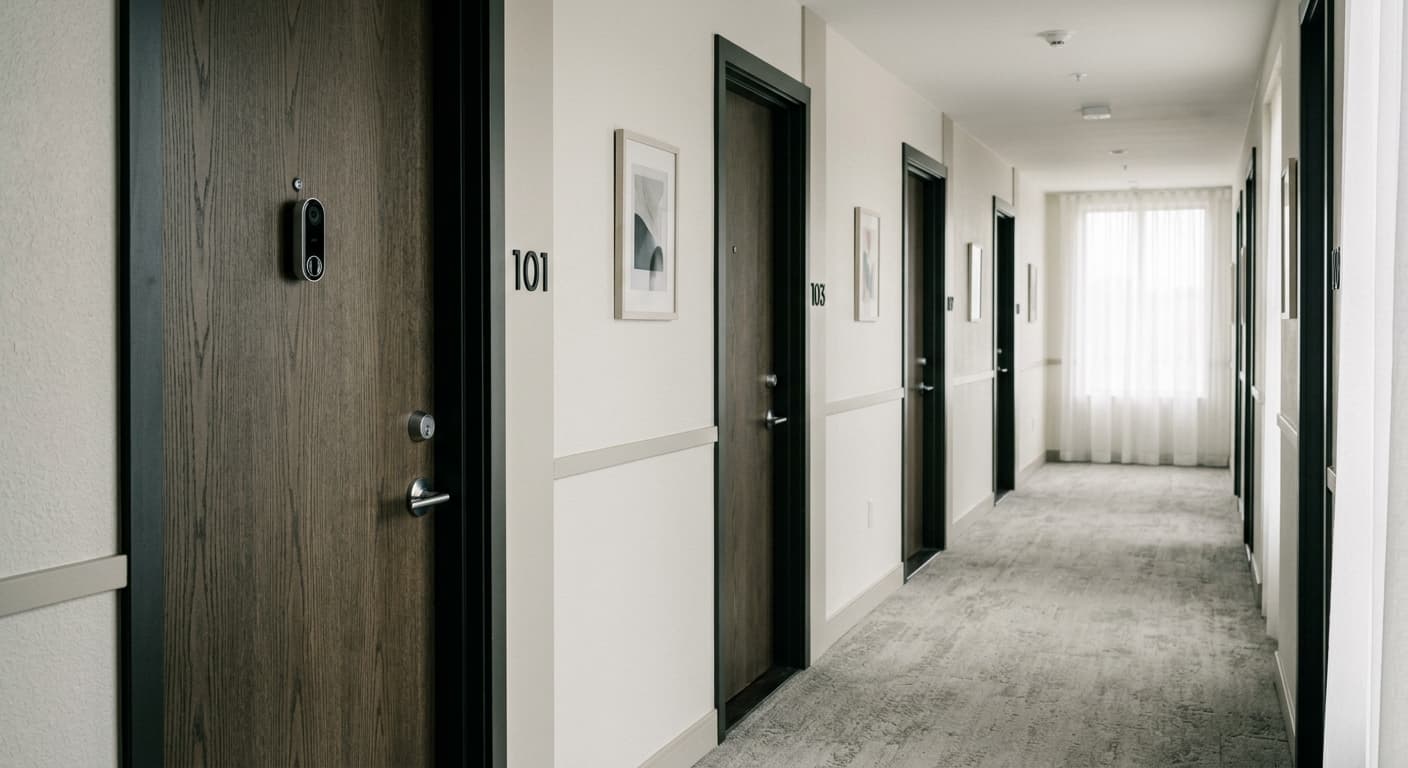
Hawaii's recording and privacy laws apply directly to Ring doorbell cameras, and the rules are more nuanced than in many other states. While Hawaii follows one-party consent for audio recording of conversations, the state has a separate privacy statute that restricts surveillance devices in private places. Ring doorbell owners in Hawaii need to understand both sets of laws to stay compliant, particularly given the state's unique housing landscape of condominiums, planned communities, and multi-unit rental properties.
Audio Recording Laws and Ring Doorbells in Hawaii
Hawaii's One-Party Consent Rule
Hawaii follows a one-party consent standard for intercepting wire, oral, or electronic communications. Under HRS § 803-42, it is lawful for a person to intercept a communication when that person is a party to the communication or when one of the parties has given prior consent to the interception.
For Ring doorbell owners, this means you can legally record audio of a conversation at your front door when you are an active participant. Using the Ring app's two-way talk feature to speak with a visitor satisfies the one-party consent requirement because you, the device owner, are consenting to the recording of that conversation.

The Private Place Exception
Hawaii's privacy statute adds an important layer of complexity. HRS § 711-1111 makes it a criminal offense to install or use any device for "photographing, observing, or overhearing events or sounds" in a private place without the consent of all persons in that private place.
This creates a two-track system. The one-party consent rule under HRS § 803-42 applies to conversations you participate in. But HRS § 711-1111 applies to surveillance of private places regardless of your participation. If your Ring doorbell captures audio from an area that qualifies as a "private place" under Hawaii law, the stricter all-party consent standard may apply.
Front porches, driveways, and walkways open to public view generally do not qualify as private places. Enclosed lanais, interior hallways of apartment buildings, and gated private entryways are more likely to receive privacy protection under the statute.
Practical Audio Recording Guidelines
To minimize legal risk with Ring doorbell audio in Hawaii, consider enabling audio recording only when using two-way talk, posting a visible notice near the doorbell indicating that audio and video recording is in progress, and disabling continuous audio recording if your Ring doorbell is positioned near areas that neighbors or visitors might consider private.
Video Recording Laws and Ring Doorbells
Video Surveillance on Your Own Property
Hawaii law permits homeowners to install video surveillance cameras on their own property. You can legally record video of your driveway, front yard, walkways, and other areas of your property using a Ring doorbell camera. The key restriction is that your camera cannot be positioned to record activities inside another person's home or in other locations where individuals have a reasonable expectation of privacy.
Ring doorbell cameras are mounted at the front door and typically capture the area immediately in front of the entrance, including the porch, walkway, and portions of the street or yard. This standard positioning is generally lawful under Hawaii law because these areas are visible to the public.
Privacy Restrictions on Video Recording
Under HRS § 711-1111, a person commits the offense of violation of privacy in the second degree by installing or using a recording device in a private place without consent. For video, this means your Ring doorbell cannot be aimed at areas where people have a reasonable expectation of privacy, such as a neighbor's bedroom window, bathroom, or enclosed private space.
The wide-angle lens on Ring doorbell cameras (typically 155 to 180 degrees) can inadvertently capture neighboring properties. In Hawaii's dense residential areas, particularly in condominiums and townhomes, this is a common concern. Adjust your Ring camera's motion zones to focus on your own property and minimize incidental recording of neighboring units.
Violation of Privacy in the First Degree
Hawaii has a more serious privacy offense under HRS § 711-1110.9. This statute applies when someone uses a surveillance device to record a person in a state of undress or engaged in sexual activity in a private place without consent. This offense is classified as a Class C felony. While this is unlikely to apply to a standard Ring doorbell installation, it highlights the seriousness with which Hawaii treats surveillance privacy violations.
HOA and Ring Doorbells in Hawaii
Condominium Association Authority
Hawaii has a high proportion of condominium housing, making association rules particularly relevant for Ring doorbell owners. Under the Hawaii Condominium Property Act (HRS Chapter 514B), condominium associations have the authority to regulate modifications to common elements and unit exteriors.
HRS § 514B-140 provides that no unit owner may make a material addition or alteration without first obtaining appropriate consent from other unit owners and board approval. Whether a Ring doorbell installation constitutes a "material alteration" depends on the specific condominium's declaration and bylaws. Some associations treat doorbell cameras as minor modifications requiring only board approval, while others classify them as material alterations requiring broader consent.
Common HOA Restrictions in Hawaii
Hawaii condominium and homeowners associations commonly impose restrictions on Ring doorbells that include requiring written approval from the board or architectural committee before installation, prohibiting cameras that record common hallways, elevators, or shared spaces, mandating that cameras blend with the building's exterior aesthetic, restricting audio recording capabilities in shared or semi-private areas, and requiring homeowners to limit the camera's field of view to their own unit entrance.
Before installing a Ring doorbell in a Hawaii condominium or planned community, review your association's governing documents, house rules, and any specific policies on security cameras. Submit a written request to your board if required and wait for approval before installation.
Planned Community Associations
Hawaii's planned community associations, governed under HRS Chapter 421J, also have authority to regulate exterior modifications. These associations may have different rules than condominium associations, so review your specific community's governing documents.
Landlord and Tenant Rights
Tenant Installation of Ring Doorbells
Hawaii's landlord-tenant code (HRS Chapter 521) requires tenants to keep the rental premises in good condition and avoid damaging the property. Installing a Ring doorbell typically involves mounting hardware on the door frame or exterior wall, which constitutes a modification to the landlord's property.
Tenants in Hawaii should review their rental agreement for provisions about exterior modifications and security devices, request written permission from the landlord before purchasing and installing a Ring doorbell, offer to restore the property to its original condition upon move-out, and consider a battery-powered Ring model that does not require hardwiring.
Landlord Surveillance Restrictions
Hawaii law prohibits landlords from installing surveillance devices that record tenant activities in private spaces. Under HRS § 711-1111, a landlord who installs hidden cameras inside a rental unit or in areas where tenants have a reasonable expectation of privacy could face criminal charges for violation of privacy in the second degree.
Landlords can install cameras in common areas of multi-unit rental properties, including building entrances, parking areas, and shared hallways, provided tenants are notified of the camera locations. Transparency about surveillance is both a legal requirement and a best practice for maintaining positive landlord-tenant relationships in Hawaii.
Law Enforcement Access to Ring Footage in Hawaii
Warrant Requirements Under Hawaii Law
Hawaii law enforcement officers generally need a valid search warrant to compel access to Ring doorbell footage stored on a user's account. The Fourth Amendment to the U.S. Constitution and Article I, Section 7 of the Hawaii State Constitution protect against unreasonable searches and seizures. Hawaii courts have historically interpreted privacy protections broadly, consistent with the state's strong emphasis on individual privacy rights.
Ring's corporate policy, updated in 2024, requires a valid search warrant or explicit user consent before the company releases footage to law enforcement. Ring does not honor law enforcement subpoenas for video content.
Voluntary Sharing and Emergency Exceptions
Hawaii residents can voluntarily share Ring doorbell footage with police at any time during an investigation. This does not require a warrant because the owner is freely consenting to release the recordings.
In emergency situations involving imminent danger of death or serious physical injury, Ring may disclose footage to law enforcement without a warrant under the federal Electronic Communications Privacy Act (18 U.S.C. § 2702). This exception is narrow and applies only when there is an immediate threat to life.
Penalties for Illegal Recording in Hawaii
Criminal Penalties Under HRS § 803-42
Violating Hawaii's wiretapping statute by illegally intercepting wire, oral, or electronic communications is a Class C felony under HRS § 803-42. Conviction carries up to 5 years in prison and fines up to $10,000.
Manufacturing, assembling, possessing, or distributing devices primarily designed for surreptitious interception of communications is also a Class C felony under the same chapter.
Penalties Under the Privacy Statute
Violation of privacy in the second degree under HRS § 711-1111 is a misdemeanor, punishable by up to 1 year in jail and a fine of up to $2,000. Courts may also order the destruction of any recordings made in violation of this section.
Violation of privacy in the first degree under HRS § 711-1110.9 (involving recordings of persons in states of undress or sexual activity) is a Class C felony with penalties of up to 5 years in prison and fines up to $10,000.
Civil Remedies
Beyond criminal penalties, victims of illegal surveillance in Hawaii can pursue civil lawsuits for invasion of privacy. Hawaii courts recognize claims for intrusion upon seclusion, which covers unauthorized surveillance that would be highly offensive to a reasonable person. Successful plaintiffs may recover compensatory damages, including damages for emotional distress, and potentially punitive damages in cases of willful misconduct.
How to Use a Ring Doorbell Legally in Hawaii
Following these guidelines can help Hawaii residents stay within the law when using a Ring doorbell camera:
Camera Placement: Mount your Ring doorbell to capture your own entryway, walkway, and driveway. Avoid aiming the camera at neighboring units, windows, or enclosed private areas. In condominiums and townhomes, be especially mindful of shared hallways and common spaces.
Audio Settings: Hawaii's one-party consent law covers conversations you participate in, but the privacy statute restricts surveillance of private places. Post a visible notice near your Ring doorbell indicating that audio and video recording is active. Consider disabling continuous audio recording if your device is near areas where others expect privacy.
Association Compliance: Check your condominium or HOA governing documents before installing a Ring doorbell. Many Hawaii associations require board or architectural committee approval for exterior modifications. Submit your request in writing and include details about the device model, mounting method, and camera field of view.
Lease Review: Tenants should review their rental agreement and get written landlord permission before installation. Battery-powered Ring models that avoid permanent modifications may be easier to get approved.
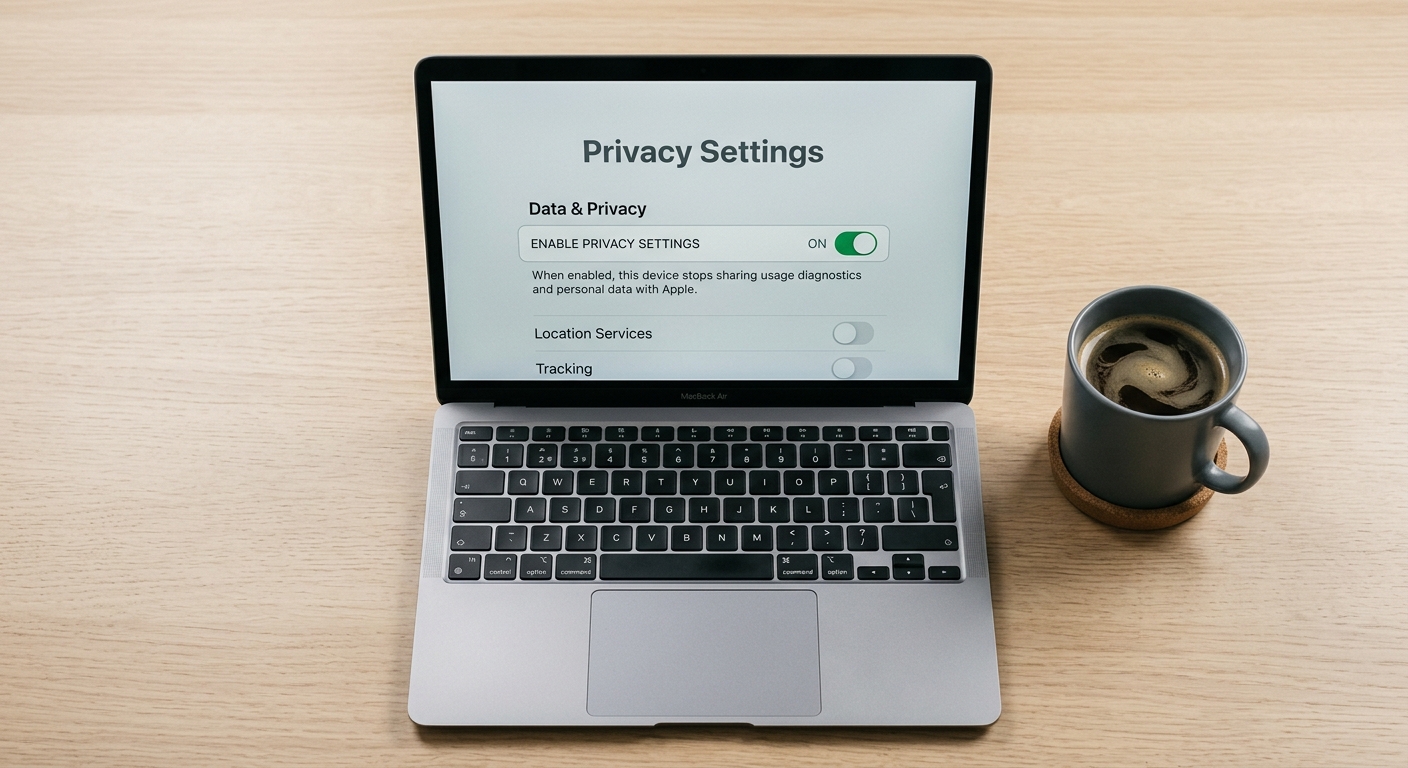
Privacy Zones: Use Ring's motion zone and privacy zone features to exclude neighboring properties and private areas from your camera's recording range. This reduces the risk of capturing footage that violates HRS § 711-1111.
Data Security: Enable end-to-end encryption, use two-factor authentication, and regularly review who has access to your Ring account. The FTC's 2023 action against Ring highlighted the importance of strong security settings.
Know Your Rights: Law enforcement generally needs a warrant to access your Ring footage. You can voluntarily share recordings, but consulting with an attorney before responding to formal requests is advisable.
More Hawaii Laws
Explore additional Hawaii legal topics on Recording Law:
- Hawaii Recording Laws cover the full scope of audio and video recording rules across the state.
- Hawaii Hit and Run Laws explain reporting requirements and penalties for leaving the scene of an accident.
- Hawaii Lemon Law outlines protections for buyers of defective vehicles.
This article provides general legal information about Ring doorbell laws in Hawaii as of April 2026. Laws change, and their application depends on specific circumstances. Consult a Hawaii attorney for advice specific to your situation.
Sources and References
- HRS § 803-42 - Interception of Wire, Oral, or Electronic Communications(capitol.hawaii.gov).gov
- HRS § 711-1111 - Violation of Privacy in the Second Degree(capitol.hawaii.gov).gov
- HRS § 711-1110.9 - Violation of Privacy in the First Degree(capitol.hawaii.gov).gov
- HRS Chapter 514B - Condominiums(capitol.hawaii.gov).gov
- HRS § 514B-140 - Additions to and Alterations of Condominium(capitol.hawaii.gov).gov
- Hawaii State Constitution - Article I, Section 7(lrb.hawaii.gov).gov
- Electronic Communications Privacy Act (18 U.S.C. § 2702)(law.cornell.edu)
- FTC Action Against Ring LLC - Privacy Violations(ftc.gov).gov
- Hawaii Recording Laws - Reporters Committee for Freedom of the Press(rcfp.org)
- Ring Law Enforcement Information Requests Policy(ring.com)