Hawaii AI Laws and Regulation (2026)

Overview of Hawaii AI Laws
Hawaii has been one of the most legislatively active states on artificial intelligence, introducing the most AI-related bills of any state in 2025 with 23 measures. However, the state's ambitious regulatory efforts have largely struggled to advance, with all of its 2025 AI bills failing to pass and its signature election deepfake law being struck down as unconstitutional.
Despite these setbacks, Hawaii has several important AI-related laws on the books. The state established a dedicated Office of Artificial Intelligence Safety and Regulation in 2024, criminalizes AI-generated sexually explicit deepfakes as a class C felony, and has active insurance regulatory guidance on AI use. The 2026 legislative session has seen renewed momentum, with AI chatbot child safety bills advancing through both chambers.
Hawaii's experience highlights both the ambition and difficulty of state-level AI regulation. The federal court's invalidation of Act 191 has national implications for how states can regulate AI-generated political content, while the state's insurance commissioner has taken a regulatory approach that bypasses the legislature entirely.
This article covers all enacted and pending Hawaii AI legislation, executive actions, and the interaction between state and federal AI policy. This information is current as of March 2026, but you should consult a licensed attorney for advice specific to your situation.
Office of Artificial Intelligence Safety and Regulation
Hawaii became one of the first states to establish a dedicated AI oversight body when Senate Bill 2572 was enacted in 2024, creating the Office of Artificial Intelligence Safety and Regulation within the Department of Commerce and Consumer Affairs (DCCA).
Mandate and Scope
The office is charged with regulating the development, deployment, and use of artificial intelligence technologies throughout the state. In its original form, the bill would have effectively prohibited the use of AI products in Hawaii without first proving the product posed no substantial risk to health, safety, or the environment. That sweeping approach was scaled back after opposition from state agencies and business organizations.
Funding and Implementation
The state legislature appropriated funds from general revenues for fiscal year 2024-2025 to establish the office. The office took effect on July 1, 2024, and is housed within the DCCA, which also oversees Hawaii's insurance, financial institutions, and professional licensing divisions.
Companion Legislation
The office was established alongside House Bill 2176, which created a separate AI Working Group. Together, these measures represent Hawaii's effort to build institutional capacity for AI governance, though critics have noted that Hawaii still lacks a "cohesive strategy" for AI regulation.

Election Deepfake Law: Act 191 (Struck Down)
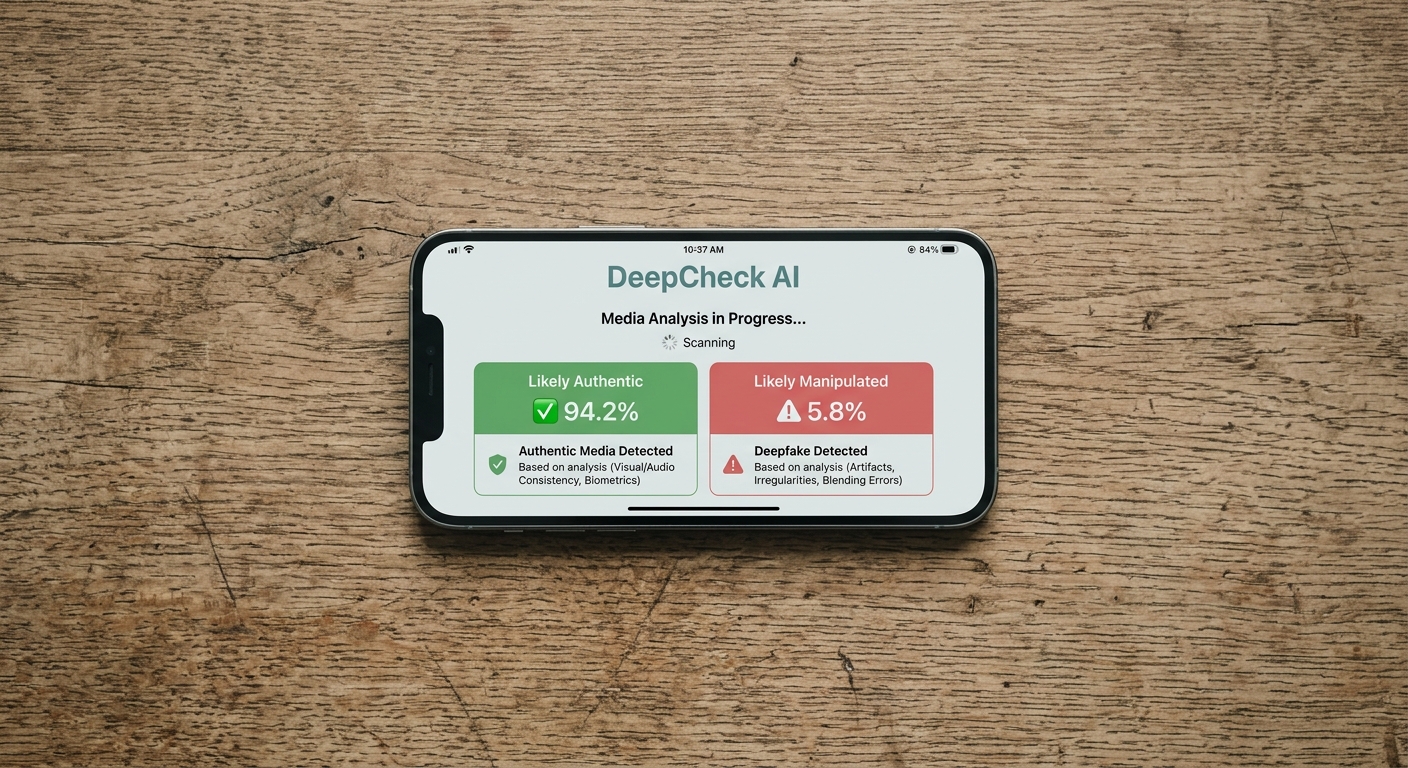
Hawaii's most high-profile AI legislation was Act 191, signed by Governor Josh Green in 2024. The law was struck down as unconstitutional by a federal court in January 2026, making it a significant case study in the limits of state deepfake regulation.
What the Law Prohibited
Act 191 made it illegal to distribute "materially deceptive media" in connection with state elections. The law targeted media that falsely portrayed people saying or doing things they never did when shared with reckless disregard for the potential to damage a candidate's reputation or electoral chances.
The prohibition applied during election season, from February through November. Content that included a prominent disclaimer was exempt from the prohibition, creating a safe harbor for labeled AI-generated content.
The Court Challenge
The Babylon Bee, a satirical news publication, challenged Act 191 as a violation of the First Amendment. In January 2026, Judge Shanlyn A.S. Park of the U.S. District Court for the District of Hawaii ruled in the publication's favor, entering a permanent injunction against enforcement.
Key Findings from the Ruling
Judge Park's ruling identified several constitutional deficiencies:
- Content discrimination: Act 191 was "presumptively invalid" because it discriminated based on content and speaker, restricting constitutionally protected political speech
- Compelled speech: The mandatory disclaimer "would impermissibly alter the content, intended effect, and message of their speech," noting that "a mandatory disclaimer for parody or satire would kill the joke"
- Vagueness: The law's prohibition on distributing media in "reckless disregard of the risk of harming" a candidate's reputation was unconstitutionally vague
- Less restrictive alternatives: Hawaii failed to show that digital literacy education, voluntary counter-speech campaigns, and existing defamation laws could not achieve its goals
National Implications
This ruling has significant implications for the 28 other states that have enacted election deepfake laws. Many of these statutes contain similar provisions that could face First Amendment challenges, particularly those that restrict parody or satire involving AI-generated content.
Sexually Explicit Deepfake Law: HRS § 711-1110.9
Hawaii's criminal law addressing AI-generated sexually explicit content predates its election deepfake legislation and remains in force. Under HRS § 711-1110.9, creating or distributing AI-generated sexually explicit deepfakes constitutes a first-degree violation of privacy, a class C felony.
What the Law Prohibits
The statute makes it illegal to intentionally create, disclose, or threaten to disclose an image or video of a composite fictitious person depicted in the nude or engaged in sexual conduct that includes the recognizable physical characteristics of a known person. The image or video must appear to depict the known person rather than a composite fictitious person.
Intent Requirement
Prosecution requires proof that the defendant acted with intent to substantially harm the depicted person's health, safety, business, calling, career, education, financial condition, reputation, or personal relationships. The statute also covers actions taken as revenge or retribution.
Criminal Penalties
| Offense | Classification | Maximum Prison Time |
|---|---|---|
| Creating deepfake sexually explicit images | Class C felony | Up to 5 years |
| Disclosing without consent | Class C felony | Up to 5 years |
| Threatening to disclose | Class C felony | Up to 5 years |
| Possession of violating images | Criminal offense | Varies |
As a class C felony, violations carry significant prison time. Hawaii is among 46 states that have enacted laws addressing the creation or distribution of sexually explicit deepfakes.
Legislative History
Senate Bill 309 amended HRS § 711-1110.9 to explicitly include language covering the creation, disclosure, or threat of disclosure of nonconsensual sexually explicit material as a first-degree privacy violation. This amendment ensured that AI-generated content received the same treatment as manipulated photographic material.
AI in Insurance: Commissioner's Memorandum 2025-13A
Rather than waiting for legislative action, Hawaii's Insurance Division took a regulatory approach to AI governance in the insurance industry. Commissioner's Memorandum 2025-13A reminds all insurers authorized to do business in Hawaii that AI-driven decisions must comply with all existing insurance laws and regulations.
Key Requirements
The memorandum establishes that decisions or actions impacting consumers made or supported by advanced analytical and computational technologies, including artificial intelligence systems, are subject to the same regulatory standards as human-made decisions.
This means insurers cannot use AI as a shield against accountability. Whether a coverage determination, claims decision, or underwriting assessment is made by a human adjuster or an AI system, it must meet the same legal standards for fairness, accuracy, and consumer protection.
Healthcare AI Protections
Hawaii's Patient Bill of Rights, developed in response to increasing AI-driven claims denials, includes specific AI protections:
- If AI or an automated decision system initiates a denial, that denial must be reviewed and co-signed by a board-certified specialist before being finalized
- Patients and providers must be notified in writing when AI is used at any stage of coverage determination
- Insurers must submit monthly data on prior authorization approval and denial rates, average processing times, and the percentage of AI-based denials overturned on appeal
These requirements create one of the more detailed AI transparency frameworks in healthcare insurance among all states.

2026 Legislative Session: Pending AI Bills
HB 1782 and SB 3001: AI Chatbot Child Safety
The most significant AI legislation advancing in Hawaii's 2026 session is a pair of companion bills addressing AI chatbot interactions with minors. HB 1782 passed the House and SB 3001 passed the Senate, both unanimously.
HB 1782 provisions include:
- Prohibiting AI chatbots from engaging in practices intended to foster emotional entanglement with minor users
- Prohibiting AI systems from encouraging minors to commit self-harm
- Prohibiting AI from generating sexually explicit content for minor users
- Establishing safeguards, protections, oversight, and penalties for interactions between minors and AI companion systems
SB 3001 provisions include:
- Requiring AI operators to issue disclosures to account holders and users
- Mandating protocols to prevent AI from producing suicidal ideations in account holders
- Establishing protections specifically for minor account holders of conversational AI services
Both bills passed their respective chambers on March 10, 2026, and continue through the legislative process.

HB 2458: AI Surveillance Pricing
HB 2458 passed the Hawaii House and prohibits AI-driven surveillance pricing in the sale of food. The bill targets the practice of using AI and personal data collection to charge different prices to different consumers based on their behavioral profiles, a growing concern as AI pricing algorithms become more sophisticated.
HB 1607: AI in Employment Decisions
Hawaii proposed HB 1607, which would prohibit employers from using automated decision tools in a discriminatory manner. The bill would require employers to perform annual impact assessments of their AI tools and provide notice to job applicants when AI is used in hiring decisions. A narrow exception applies to employers with fewer than 50 employees.
While the bill reflects growing national concern about AI bias in employment, it is part of the broader wave of failed AI bills that Hawaii has struggled to advance into law.
AI and Employment in Hawaii
Hawaii has not enacted specific legislation governing AI in employment decisions. Despite proposing HB 1607 and related measures, none have advanced through the legislature. The state's existing anti-discrimination laws, including the Hawaii Employment Practices Act (HRS Chapter 378), apply to employment decisions regardless of whether those decisions are made by humans or AI systems.
Hawaii employers using AI tools for hiring, recruiting, scheduling, or performance evaluation should ensure compliance with both state and federal anti-discrimination protections. The EEOC has consistently maintained that Title VII, the ADA, and other federal employment laws apply to AI-driven employment decisions.
Federal AI Policy and Hawaii
Executive Order 14365
President Trump's Executive Order 14365 (December 11, 2025) creates additional challenges for Hawaii's already difficult AI regulatory efforts. The order establishes a framework intended to limit state AI regulation through potential federal preemption.
Impact on Hawaii
Hawaii's AI regulatory landscape faces a dual challenge. Domestically, the state has struggled to pass comprehensive AI legislation through its own legislature. Externally, the federal executive order threatens to constrain whatever legislation Hawaii does manage to enact.
However, the executive order includes important carve-outs for child safety, state government AI procurement, and other traditional areas of state authority. Hawaii's advancing chatbot child safety bills (HB 1782 and SB 3001) fall squarely within the child safety carve-out, making them less vulnerable to federal challenge.
The court's invalidation of Act 191 on First Amendment grounds demonstrates that Hawaii's AI laws face scrutiny from the judiciary as well as the federal executive branch. Future legislative efforts will need to account for both constitutional constraints and federal preemption risks.
The State's Position
State Representative Andrew Garrett has emphasized that Hawaii needs "a more intentional framework instead of reacting bill by bill." This call for a cohesive state AI strategy reflects broader concerns about Hawaii's piecemeal approach to AI regulation and its vulnerability to both tech industry lobbying and federal policy shifts.
Looking Ahead: Hawaii's AI Regulatory Future
Hawaii's AI regulatory trajectory remains uncertain. The state has demonstrated legislative ambition by introducing more AI bills than any other state in 2025, but institutional barriers have prevented most from becoming law.
Several factors will shape Hawaii's AI policy direction in the near term. The success or failure of HB 1782 and SB 3001 in the 2026 session will test whether the legislature can translate its ambition into enacted law on the politically popular topic of child safety. The federal court's invalidation of Act 191 will force legislators to craft more narrowly tailored approaches to election deepfakes that can survive constitutional challenge.
Tech industry lobbying remains a significant factor. Companies including Meta, Google, and Amazon have actively lobbied against AI transparency measures in Hawaii, arguing that certain proposals "went too far."
The Office of Artificial Intelligence Safety and Regulation within the DCCA provides an institutional foundation for future regulatory action, but the office's authority and resources will determine whether it can meaningfully influence AI governance in the state.
More Hawaii Laws
Explore other Hawaii law topics on Recording Law:
- Hawaii Recording Laws
- [Hawaii Data Privacy Laws](/us-laws/data-privacy-laws/hawaii-data-privacy-laws)
- Hawaii Whistleblower Laws
- Hawaii Background Check Laws
- Hawaii Sexting Laws
Sources and References
- Hawaii Office of AI Safety and Regulation established (SB 2572)(capitol.hawaii.gov).gov
- Hawaii AI Safety Office establishment details(digitalpolicyalert.org)
- Hawaii HRS § 711-1110.9 sexually explicit deepfake statute(capitol.hawaii.gov).gov
- Hawaii Insurance Commissioner Memorandum 2025-13A on AI(cca.hawaii.gov).gov
- Hawaii AI deepfake policy overview(ballotpedia.org)
- Hawaii deepfake election law struck down as unconstitutional(courthousenews.com)
- Hawaii Act 191 deepfake disclaimer requirement analysis(reason.com)
- Hawaii passes bill restricting deepfakes (2024)(akingump.com)
- Is Hawaii doing enough to regulate AI?(civilbeat.org)
- Hawaii legislature tackles artificial intelligence(datascience.hawaii.edu)
- Hawaii HB 1782 AI chatbot child safety bill(trackbill.com)
- Hawaii SB 3001 AI chatbot protections for minors(billtrack50.com)
- Hawaii HB 2458 surveillance pricing bill(capitol.hawaii.gov).gov
- Hawaii AI bills to limit phone use for minors(staradvertiser.com)
- Executive Order 14365 on AI state preemption(whitehouse.gov).gov
- Hawaii AI employment discrimination bill proposals(employmentlawworldview.com)
- Hawaii how AI controls health insurance coverage(civilbeat.org)
- Hawaii HRS § 711-1110.9 statute details(lawserver.com)