Illinois AI Laws and Regulation (2026)
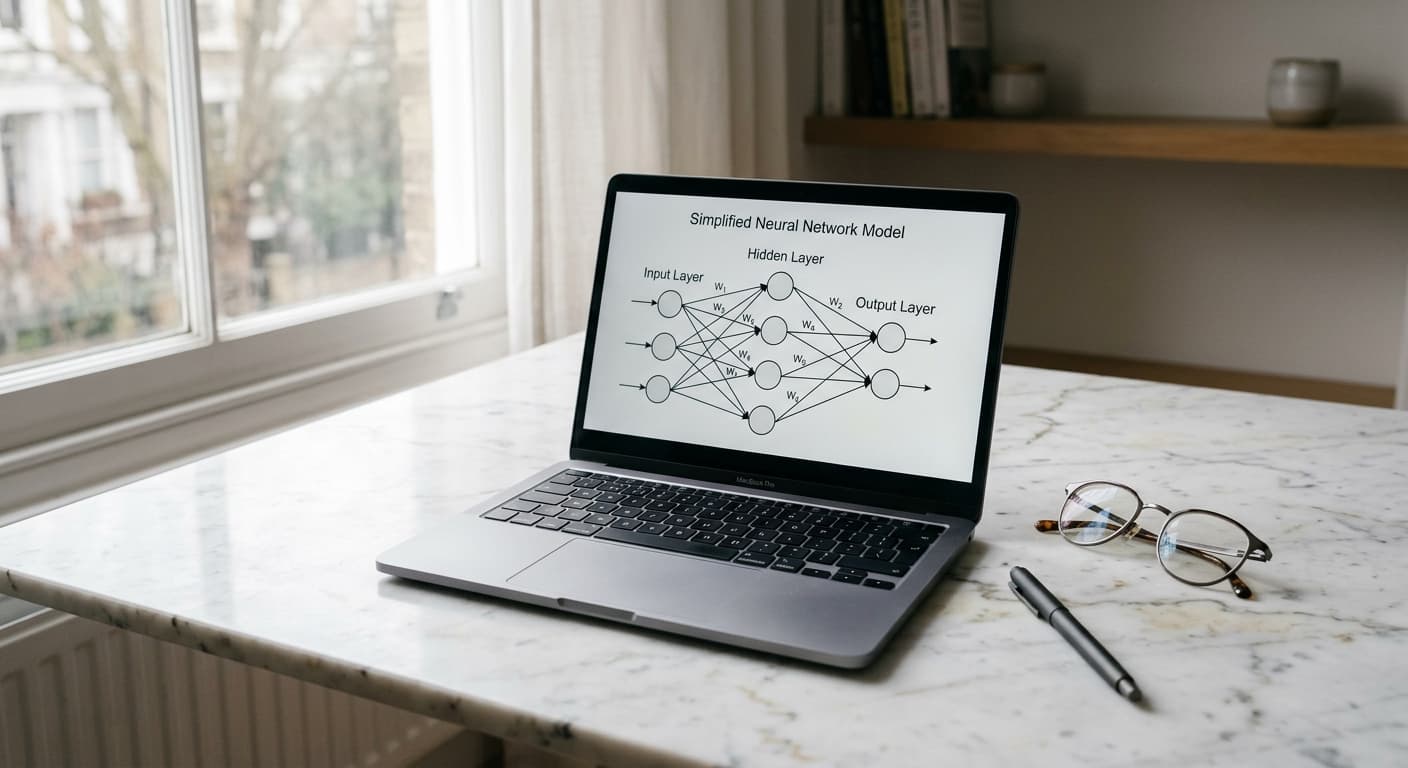
Illinois has emerged as one of the most active states in the nation on artificial intelligence regulation. With at least six enacted AI-specific laws and a growing portfolio of pending legislation, the Prairie State is building a comprehensive framework that addresses AI in employment, deepfakes, digital likeness protection, education, and healthcare.
The centerpiece of Illinois' AI regulatory landscape is HB 3773, which took effect January 1, 2026, making discriminatory use of AI in employment a civil rights violation under the Illinois Human Rights Act. This guide covers every enacted and pending Illinois AI law, compliance requirements for employers, and how federal policy interacts with the state's regulatory approach.
HB 3773: AI in Employment Under the Illinois Human Rights Act
House Bill 3773 is the most significant AI law in Illinois and one of the most important state-level AI employment regulations in the country. Signed by Governor J.B. Pritzker on August 9, 2024, it makes Illinois the second state after Colorado to broadly regulate algorithmic discrimination in private-sector AI use.
What the Law Prohibits
HB 3773 amends Article 5, Section 2 of the Illinois Human Rights Act (IHRA) to prohibit employers from using artificial intelligence in a manner that results in discrimination based on any protected characteristic under the IHRA. This includes race, color, religion, sex, national origin, ancestry, age, disability, marital status, sexual orientation, military status, unfavorable discharge from military service, citizenship status, and order of protection status.
Critically, the law also prohibits using zip codes as a proxy for protected classes. Lawmakers recognized that geographic data, while appearing neutral, can closely correlate with race, national origin, and socioeconomic status in ways that produce discriminatory outcomes when used in algorithmic decision-making.
Broad Definition of AI
The law defines artificial intelligence broadly as "a machine-based system that, for explicit or implicit objectives, infers from the inputs it receives how to generate outputs such as predictions, content, recommendations, or decisions that can influence physical or virtual environments." This definition explicitly includes generative AI systems.
This broad definition means the law applies to a wide range of tools, from resume screening algorithms and automated interview scoring to large language models used to draft job postings or evaluate employee performance.
Covered Employment Decisions
HB 3773 applies to AI used in:
- Recruitment and sourcing
- Hiring decisions
- Promotions
- Renewal of employment
- Selection for training or apprenticeship
- Discharge and termination
- Discipline
- Tenure decisions
- Any other terms, privileges, or conditions of employment
Employer Notice Requirements
The law requires employers to provide notice to employees and applicants when AI is used in covered employment decisions. The Illinois Department of Human Rights (IDHR) is tasked with adopting rules specifying the content, format, and timing of these notices.
IDHR Draft Regulations (Subpart J)
In late 2025, the IDHR released draft regulations titled "Subpart J: Use of Artificial Intelligence in Employment" to implement HB 3773. These proposed rules, shared during a stakeholder meeting, detail the specific compliance obligations employers must meet.
Key requirements under the draft rules include:
Notice obligations: Employers must provide written notice to employees and prospective employees when AI is used "to influence or facilitate" any covered employment decision. This notice requirement applies regardless of whether the AI use actually results in discrimination.
Recordkeeping requirements: Employers must maintain records documenting their use of AI in employment decisions, including the types of AI systems used, the employment decisions they inform, and any assessments of discriminatory impact.
Third-party accountability: The draft rules extend obligations to employers' agents, including recruiters and other third parties acting on an employer's behalf. An employer cannot avoid liability simply by outsourcing AI-driven hiring to a vendor.
Enforcement mechanism: Employees who believe they have been subjected to AI-driven discrimination can file a charge with the IDHR. Available remedies include back pay, reinstatement, compensatory damages for emotional distress, and attorneys' fees.
Comparison with Colorado's AI Act
While both Illinois and Colorado regulate AI discrimination, the approaches differ significantly:
| Feature | Illinois HB 3773 | Colorado SB 24-205 |
|---|---|---|
| Scope | Employment decisions only | "Consequential decisions" (employment, housing, credit, insurance, more) |
| Effective date | January 1, 2026 | February 1, 2026 (enforcement) |
| Notice requirement | Yes, to employees and applicants | Yes, to consumers before deployment |
| Impact assessment | Not required by statute | Required before deployment |
| Zip code proxy ban | Yes, explicit | Not specifically addressed |
| Enforcement | IDHR complaints | State Attorney General |
| NIST safe harbor | No | Yes, compliance with NIST AI RMF provides affirmative defense |
Illinois' approach is narrower in scope but more specific in its prohibitions, particularly the zip code proxy ban that addresses a known vector for algorithmic discrimination.
The AI Video Interview Act (2020)
Illinois was one of the first states in the nation to regulate AI in hiring when it passed the Artificial Intelligence Video Interview Act (820 ILCS 42), which took effect January 1, 2020.
The Act applies to any employer that asks applicants to record video interviews and uses artificial intelligence to analyze those recordings.
Requirements Under the Act
Pre-interview disclosure: Before the interview, the employer must notify each applicant that AI may be used to analyze the video interview and evaluate the applicant's fitness for the position.
Explanation of AI analysis: The employer must provide information explaining how the AI works and what general characteristics it uses to evaluate applicants.
Consent: The employer must obtain the applicant's consent before using AI to analyze the video.
Video sharing restrictions: Applicant videos may only be shared with persons whose expertise or technology is necessary to evaluate the applicant. Videos cannot be shared broadly within the organization or with third parties.
Deletion requirements: If requested by the applicant, the employer must delete the video within 30 days and instruct any person who received a copy to also delete it.
Penalties
Violations of the AI Video Interview Act carry civil penalties of $500 per day. The Act is enforced by the Illinois Attorney General.
Illinois Deepfake Laws
Illinois has enacted multiple laws addressing AI-generated deepfakes, covering sexually explicit content, child exploitation material, and digital likeness protection.
HB 2123: Digital Forgeries Act (2024)
The Digital Forgeries Act, originally passed on July 28, 2023, and effective January 1, 2024, amends the Civil Remedies for Nonconsensual Dissemination of Private Sexual Images statute to cover AI-generated deepfakes.
Under this law, it is illegal to knowingly create, distribute, or post a sexually altered digital image of another individual without their consent.
Remedies available to victims include:
- Statutory damages of up to $10,000 per defendant
- Interim restraining orders
- Permanent injunctions to prevent further distribution
- Attorney fees and litigation costs
The Digital Forgeries Act provides civil remedies rather than criminal penalties. Victims must bring private actions to enforce the law. Exceptions exist for law enforcement, court proceedings, medical education, and reporting criminal activity.
HB 4623: AI-Generated Child Exploitation Material (2024)
Governor Pritzker signed HB 4623 into law on August 9, 2024, expanding Illinois' child pornography statutes to explicitly cover AI-generated content. The bill passed the Illinois House unanimously on April 19, 2024, with strong support from Attorney General Kwame Raoul.
HB 4623 broadens the definition of "child pornography" in the Illinois Criminal Code to include images of actual children under 18 who are made to appear to participate in sexual acts through AI manipulation or editing, as well as entirely AI-generated representations that falsely depict a minor in explicit contexts.
The law carries the same criminal penalties as traditional child pornography offenses under Illinois law. Illinois became the 19th state to explicitly include AI-generated content in its CSAM statutes.
HB 4875: Digital Voice and Likeness Protection Act (2024)
On August 9, 2024, Governor Pritzker signed HB 4875, making Illinois the second state (after Tennessee) to enact comprehensive protections against unauthorized AI-generated digital replicas of individuals' voices, images, and likenesses. The law took effect January 1, 2025.
Key provisions of HB 4875:
Definition of digital replica: A "newly created electronic representation of an individual's voice, image or likeness created by computer, AI system or other technology, in which the actual individual does not appear but a reasonable person would believe that a particular individual is being imitated."
Core prohibition: The law creates civil liability for anyone who produces, distributes, or induces the distribution of an unauthorized digital replica after gaining actual knowledge that the distribution violates a person's publicity rights. Willful disregard of facts that would create actual knowledge can also trigger liability.
Protected exceptions:
- News reporting, sports broadcasts, and political or public interest content (unless creating a false impression of authenticity)
- Documentary or biographical works (unless creating a false impression of authenticity)
- Satire and parody
HB 4875 is particularly significant for musicians, actors, and other creative professionals in Illinois whose voices and likenesses are increasingly vulnerable to AI replication without consent.
AI in Illinois Elections
Illinois has taken a more limited approach to regulating AI in elections compared to some other states. As of early 2026, the state has not enacted comprehensive election deepfake disclosure legislation.
Several bills addressing AI-generated content in campaign materials were introduced during the previous legislative term but none passed. These proposals would have required disclosure labels on AI-altered campaign advertisements and prohibited the knowing distribution of deceptive AI-generated campaign material within 90 days of an election.
The Illinois Attorney General's office has issued guidance to help voters identify AI-generated election misinformation, even in the absence of specific statutory requirements.
AI in Illinois Healthcare
Illinois has introduced significant legislation to regulate AI in healthcare decision-making, though key bills remain pending.
HB 35: AI in Health Insurance Decisions
House Bill 35, introduced in January 2025, would prohibit health insurers from issuing adverse consumer outcomes (denial, reduction, or termination of insurance plans or benefits) based solely on the output of an AI system or predictive model.
Key provisions of HB 35:
- Any AI-influenced decision to deny, reduce, or terminate coverage must be "meaningfully reviewed" by an individual with authority to override the AI system
- The Illinois Department of Insurance would be authorized to adopt emergency rules implementing the law
- Standards for full and fair disclosure of an insurer's use of AI systems would be established
The bill has support from 10 organizations including the Illinois State Medical Society and the Illinois Pharmacists Association. It faces opposition from the Illinois Chamber of Commerce.

AI Therapy Restrictions
Governor Pritzker signed the Wellness and Oversight for Psychological Resources Act on August 4, 2025. This law prohibits providing AI-only therapy or psychotherapy services unless administered by a licensed professional. It also limits a licensed professional's use of AI to communicate with patients or generate therapeutic recommendations without direct oversight.

AI in Illinois Education
Illinois is actively legislating AI use in educational settings.
SB 1920: AI Standards in Schools
Senate Bill 1920 would establish statewide standards and protocols for school districts' use of artificial intelligence in the classroom. The Illinois State Board of Education would be tasked with developing guidance on appropriate AI deployment in educational settings.
HB 1859: Community College AI Restrictions
HB 1859 prohibits community colleges from using AI programs in lieu of a professor in community college courses. The bill was enrolled and sent to Governor Pritzker on June 24, 2025, reflecting concerns about the replacement of human educators with AI systems.
HB 2503: Instructional Technology Advisory Board
HB 2503 (companion bill SB 1556) would amend the Illinois School Code to require the Illinois State Board of Education to establish a State Instructional Technology Advisory Board. This board would evaluate potential methods to incorporate AI teaching mechanisms into the Illinois education system.
Other Pending AI Legislation
HB 4705 / SB 3261: AI Public Safety and Child Protection
These companion bills would create the AI Public Safety and Child Protection Transparency Act, addressing safety concerns related to AI systems that interact with children or pose public safety risks.
HB 3178: Digital Likeness Act Amendment (2025)
House Bill 3178, introduced in March 2025, would amend the Digital Voice and Likeness Protection Act to clarify contract provisions regarding digital replicas. The bill specifies that contractual provisions for digital replica use are enforceable even without a specific description of intended uses, provided the uses align with the contract's terms and the nature of the original performance.
How Federal AI Policy Affects Illinois
The interaction between federal and state AI policy is particularly important in Illinois given the state's extensive regulatory framework.
Executive Order 14179 (January 2025): President Trump's deregulatory approach to AI contrasts sharply with Illinois' active regulatory stance. The executive order revoked Biden-era AI safety requirements but cannot preempt state laws like HB 3773, which derive from the state's civil rights authority.
The TAKE IT DOWN Act (May 2025): This federal law criminalizing nonconsensual intimate deepfakes complements Illinois' Digital Forgeries Act (HB 2123) by adding criminal penalties on top of the state's civil remedies. Illinois residents now have both state civil and federal criminal avenues for addressing deepfake pornography.
EEOC AI Guidance: The U.S. Equal Employment Opportunity Commission has issued guidance on AI and algorithmic discrimination that aligns with the principles in HB 3773. Employers in Illinois must comply with both federal EEOC requirements and the more specific state-level obligations under the IHRA amendment.
NIST AI Risk Management Framework: While Illinois' HB 3773 does not include a NIST safe harbor provision (unlike Colorado's AI Act), Illinois employers may find that compliance with the NIST AI RMF helps demonstrate good faith efforts to prevent AI discrimination.
Employer Compliance Checklist for HB 3773
Illinois employers using AI in any employment-related capacity should take these steps before or as of January 1, 2026:
- Audit all AI tools used in recruitment, hiring, promotion, discipline, and termination
- Review AI vendors and ensure third-party tools comply with IHRA requirements
- Eliminate zip code proxies from any AI-driven employment analysis
- Develop employee notice procedures in accordance with IDHR draft regulations
- Establish recordkeeping systems documenting AI use in employment decisions
- Train HR personnel on the new requirements and how to identify potentially discriminatory AI outputs
- Review vendor contracts to allocate compliance responsibilities and ensure indemnification for AI-related discrimination claims
- Monitor IDHR rulemaking for final regulations implementing HB 3773
More Illinois Laws
- Illinois Recording Laws
- [Illinois Data Privacy Laws](/us-laws/data-privacy-laws/illinois-data-privacy-laws)
- Illinois Background Check Laws
- Illinois Surveillance Camera Laws
- Illinois Sexting Laws
- Illinois Whistleblower Laws
This article is for informational purposes only and does not constitute legal advice. AI regulation is a rapidly evolving area of law. Consult a qualified attorney licensed in Illinois for advice on your specific situation.
Sources and References
- Illinois HB 3773: Amendment to Human Rights Act (AI in Employment)(ilga.gov).gov
- Illinois Human Rights Act (775 ILCS 5)(ilga.gov).gov
- Illinois AI Video Interview Act (820 ILCS 42)(ilga.gov).gov
- Illinois HB 4623: AI-Generated Child Exploitation Material(ilga.gov).gov
- Illinois HB 4875: Digital Voice and Likeness Protection Act(ilga.gov).gov
- Illinois Attorney General: AI-Generated Child Pornography Bill(illinoisattorneygeneral.gov).gov
- Illinois HB 35: AI in Health Insurance Decisions(ilga.gov).gov
- NIST AI Risk Management Framework(nist.gov).gov
- NCSL: Artificial Intelligence 2025 Legislation(ncsl.org)
- Public Citizen: State Deepfake Legislation in Elections Tracker(citizen.org)
- Illinois Attorney General: AI Election Misinformation Guide(illinoisattorneygeneral.gov).gov