Alaska Ring Doorbell Laws: What You Need to Know in 2026
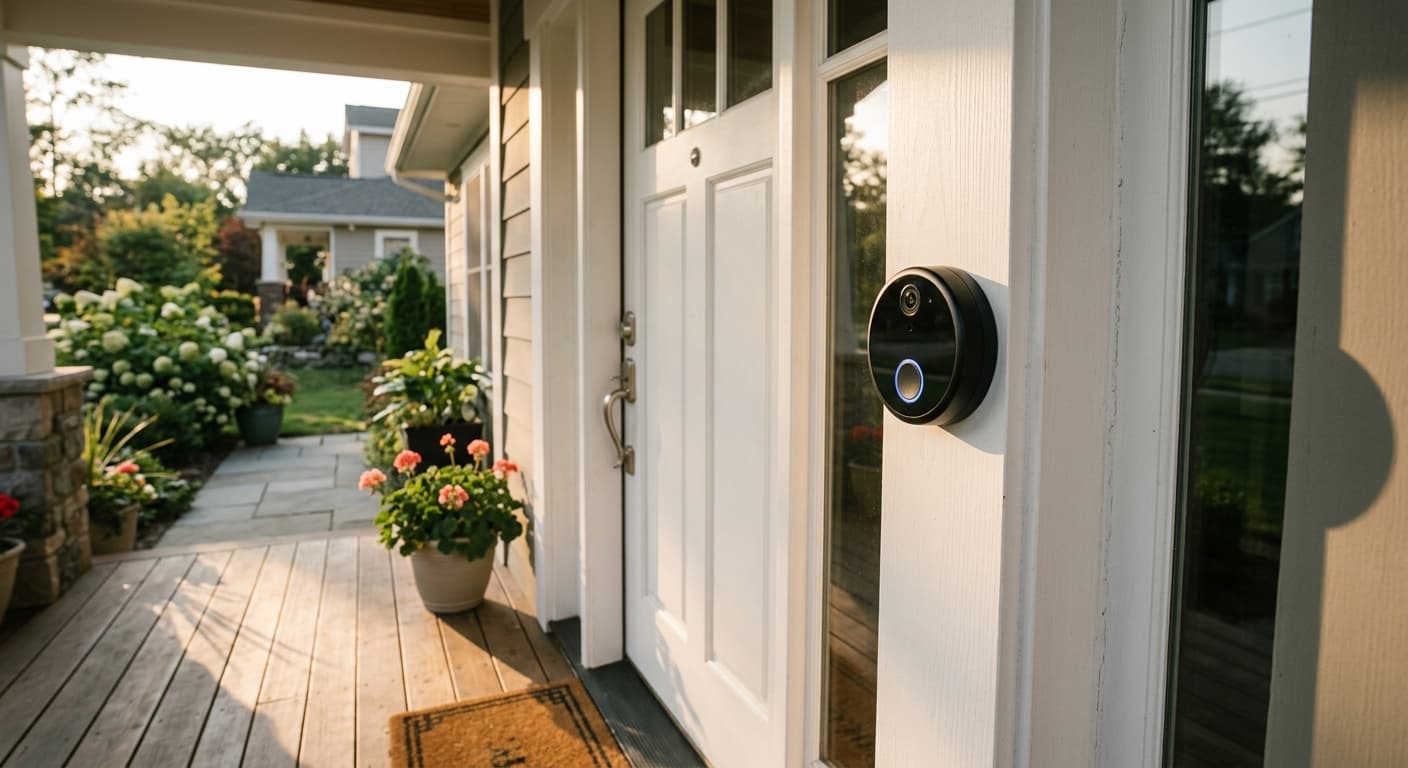
Alaska's vast landscapes and remote communities make home security a top priority for many residents. Ring doorbells have become a popular choice across the state, from Anchorage neighborhoods to rural communities. But Alaska's eavesdropping laws create specific legal considerations for anyone using a doorbell camera with audio capabilities. Under Alaska Statute § 42.20.310, recording conversations without the consent of at least one participant is a criminal offense. Alaska residents who understand these rules can use Ring doorbells confidently and legally.
Alaska Audio Recording Laws and Ring Doorbells
Audio recording is the central legal issue for Ring doorbell owners in Alaska. Every Ring doorbell includes a microphone that automatically captures audio along with video. This triggers Alaska's eavesdropping statute.
One-Party Consent Rule
Alaska follows a one-party consent framework for audio recording. Under AS 42.20.310, a person may not "use an eavesdropping device to hear or record all or any part of an oral conversation without the consent of a party to the conversation." The critical phrase is "a party," meaning only one participant needs to consent.
Alaska's highest court has reinforced this interpretation, holding that the eavesdropping statute was intended to prohibit only third-party interception of communications. A participant in a conversation who records it does not violate the law.
For Ring doorbell owners, this means that when a homeowner answers the doorbell through the Ring app and speaks with a visitor, the homeowner is a consenting party. That conversation can be legally recorded. The homeowner's participation satisfies the one-party consent requirement.

When Audio Recording Creates Legal Risk
The legal risk increases when the Ring doorbell captures conversations the homeowner is not part of. If neighbors have a conversation on the sidewalk near the Ring camera, or if a delivery driver speaks with a passenger, the homeowner is not a participant. Recording those conversations without any participant's consent could violate AS 42.20.310.
The statute applies broadly to "any device" capable of recording oral conversation, which includes Ring doorbells. The question of whether a front porch or entrance area constitutes a location where people reasonably expect private conversation has not been specifically addressed by Alaska courts, as of April 2026.
Proposed Changes to Alaska Recording Law
In February 2025, Alaska Governor Mike Dunleavy proposed Senate Bill 85 (SB 85), which would change Alaska from a one-party consent state to an all-party consent state. Under SB 85, all parties to a conversation would need to consent before recording is legal. The bill includes an exemption for law enforcement officers.
If SB 85 were to pass, Ring doorbell owners would face stricter requirements. Recording any conversation, even ones the homeowner participates in, would require the consent of every person involved. As of April 2026, SB 85 has not been enacted into law, and Alaska remains a one-party consent state.
Disabling Audio as a Precaution
Ring devices allow users to disable the audio recording feature through the app settings. Alaska homeowners who want to eliminate legal uncertainty around eavesdropping can turn off the microphone while keeping the video surveillance active.
Video Recording Laws in Alaska
Alaska does not have a broad video surveillance prohibition for residential property owners. Homeowners can install security cameras on their own property to monitor entrances, driveways, walkways, and other areas they own or control.
Where Video Recording Is Permitted
Video recording of areas visible from public spaces is generally permitted under Alaska law. A Ring doorbell pointed at a front door, porch, walkway, or driveway captures areas where visitors have limited expectations of privacy. Streets, sidewalks, and public areas visible from the Ring camera's position are also permissible recording zones.

Indecent Viewing Laws (AS 11.61.123)
Alaska does have a specific statute addressing invasive visual surveillance. Under AS 11.61.123, a person commits the crime of indecent viewing or production of a picture if they knowingly view or produce an image of another person's private areas without the person's consent.
This statute applies to Ring doorbells that are positioned to capture images through windows or into areas where people have a reasonable expectation of privacy. Ring cameras aimed at a neighbor's bathroom or bedroom window could trigger this law.
For standard doorbell camera placement, AS 11.61.123 is unlikely to apply. The law targets intentional viewing of private areas, not incidental capture of public-facing spaces. An affirmative defense exists for security surveillance systems when notice of the surveillance has been posted and the viewing is done only in the interest of crime prevention or prosecution.
Penalties for Indecent Viewing
Violations of AS 11.61.123 are punishable by up to one year in prison and a $1,000 fine. If the person viewed or photographed is a minor, penalties increase significantly: up to five years in prison and a $50,000 fine.
HOA Rules and Ring Doorbells in Alaska
Alaska HOAs can regulate Ring doorbell installation through their governing documents. While Alaska does not have comprehensive state-level HOA legislation that specifically addresses security cameras, individual associations maintain authority over exterior modifications and electronic devices through their CC&Rs.
HOA Authority Over Security Cameras
Many Alaska HOAs require homeowners to submit an architectural application before making changes to the exterior of their home. Installing a Ring doorbell, particularly wired models that require modification to the door frame or electrical system, may trigger this requirement.
HOAs can adopt specific security camera policies that address device placement, camera angle restrictions, and aesthetic requirements. Some associations restrict cameras that can record common areas or other homeowners' properties.
Reviewing HOA Documents
Before installing a Ring doorbell, Alaska homeowners in HOA communities should check their CC&Rs, architectural guidelines, and any specific security camera policies. Requesting written approval from the HOA board before installation creates a record that protects the homeowner in case of disputes.
If the CC&Rs are silent on security cameras, the homeowner generally has the right to install a Ring doorbell. However, broad clauses about exterior modifications or aesthetic standards could still give the HOA grounds to require approval or impose conditions.
Landlord and Tenant Rights
Alaska's Uniform Residential Landlord and Tenant Act (AS 34.03) governs the landlord-tenant relationship, including property modifications by tenants.
Tenant Installation Rights
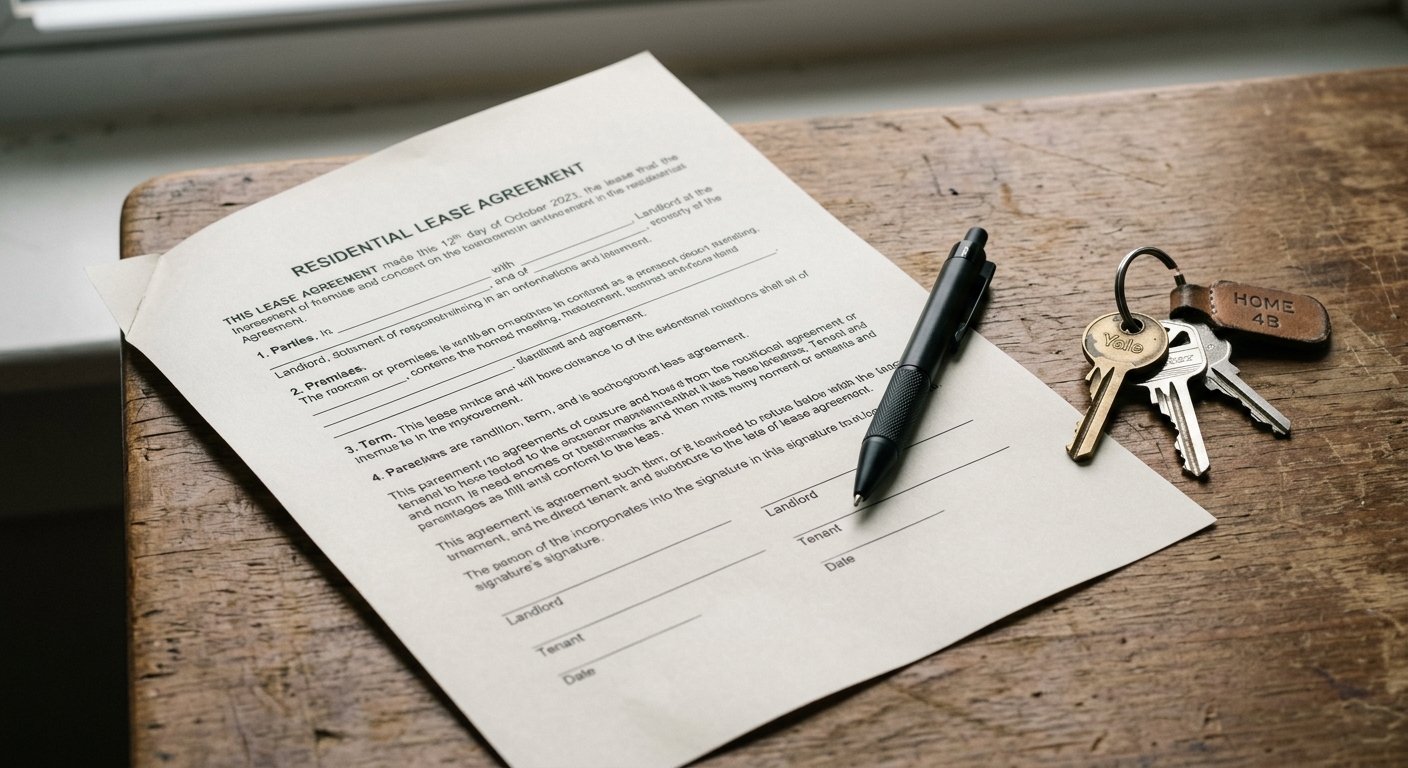
Alaska tenants should review their lease agreement for any restrictions on exterior modifications or security devices before installing a Ring doorbell. Most leases require the landlord's written consent before making changes to the property.
Wired Ring doorbells that require drilling or electrical work clearly qualify as property modifications. Battery-powered models that use adhesive mounting may present a gray area, but seeking landlord approval in writing is the safest approach.
If a landlord denies the request, tenants have limited recourse under Alaska law. There is no specific Alaska statute granting tenants a right to install security cameras. Tenants can negotiate with their landlord, offering to restore the property to its original condition upon move-out.
Landlord Surveillance Limitations
Alaska landlords who install Ring doorbells on rental properties must comply with the same eavesdropping laws. A landlord cannot use a Ring doorbell to monitor tenants' private conversations. Cameras positioned to surveil tenants inside their units would violate both the eavesdropping statute and Alaska's indecent viewing laws.
Landlords must provide 24 hours' notice before entering a rental unit under AS 34.03.140, except in emergencies. Using a Ring doorbell to monitor tenant comings and goings is generally permissible when the camera captures common areas or exterior spaces, but tenants should be informed about any surveillance devices on the property.
Law Enforcement Access to Ring Footage
Alaska residents have specific rights regarding police requests for Ring doorbell footage. The interplay between federal law, Alaska state law, and Ring's corporate policies determines how law enforcement can access recordings.
Voluntary Sharing vs. Compelled Disclosure
Police in Alaska can ask homeowners to voluntarily share Ring footage. Homeowners have no legal obligation to comply with a verbal request. If the homeowner declines, law enforcement can pursue a search warrant or subpoena through the courts.
A search warrant requires a judge to find probable cause that evidence of a crime exists on the recording. A subpoena, which has a lower threshold, can also compel Amazon (Ring's parent company) to produce footage directly.
Ring's Current Policy
As of April 2026, Ring requires a valid legal order before sharing customer footage with law enforcement. Ring ended its program that allowed police departments to request footage directly from users through the Neighbors app.
Ring maintains a limited exception for emergency situations involving imminent danger of death or serious physical injury. In these cases, Ring may provide footage to law enforcement without the customer's consent or a warrant.
Fourth Amendment Protections
The Fourth Amendment to the U.S. Constitution protects against unreasonable searches and seizures. Ring doorbell footage stored on Amazon's servers may receive different constitutional protections than footage stored locally. Courts across the country continue to address how the Fourth Amendment applies to cloud-stored surveillance footage, and Alaska courts have not yet issued definitive guidance on this question as of April 2026.
Penalties for Illegal Recording in Alaska
Alaska imposes criminal penalties for violations of its eavesdropping and privacy statutes.
Eavesdropping (AS 42.20.310)
Using a device to record oral conversations without the consent of at least one party is a Class A misdemeanor under AS 42.20.330. Penalties include up to one year in jail and a fine of up to $1,000.
Using or Divulging Illegally Obtained Information (AS 42.20.310)
The same statute prohibits using or divulging information obtained through illegal eavesdropping. Publishing the contents of illegally intercepted conversations carries the same Class A misdemeanor penalties.
Indecent Viewing (AS 11.61.123)
Using a camera to view or photograph someone's private areas without consent is punishable by up to one year in prison and a $1,000 fine. When the subject is a minor, the offense becomes a Class C felony with penalties of up to five years in prison and a $50,000 fine.
Civil Liability
Beyond criminal penalties, individuals whose privacy is violated through illegal recording may pursue civil lawsuits for damages. Alaska courts recognize privacy torts, including intrusion upon seclusion, which could apply to misuse of Ring doorbell cameras.
How to Use a Ring Doorbell Legally in Alaska
These guidelines help Alaska residents stay compliant with state law while using Ring doorbell cameras.
Position for Your Property Only
Aim the Ring doorbell at your own front door, porch, walkway, and driveway. Avoid positioning the camera to look directly into neighbors' windows or private outdoor spaces like fenced yards.
Evaluate Audio Recording Needs
Consider whether audio recording is necessary for your security needs. Disabling the microphone in the Ring app eliminates the eavesdropping concern entirely while preserving video surveillance. If audio is important, ensure participation in conversations recorded through the two-way talk feature.
Post Surveillance Notices
Alaska's indecent viewing statute (AS 11.61.123) provides an affirmative defense for security surveillance systems when notice is posted. Placing a visible sign near the Ring doorbell that states "Audio and Video Recording in Progress" strengthens the homeowner's legal position and provides implicit notice to visitors.
Monitor Legislative Changes
Governor Dunleavy's SB 85 proposal could change Alaska from a one-party consent state to an all-party consent state. Ring doorbell owners should monitor this legislation, as passage would require all participants in a recorded conversation to consent. Check the Alaska State Legislature website at akleg.gov for updates on this bill.
Secure Your Account
Enable two-factor authentication on the Ring account and use a strong, unique password. The FTC's 2023 enforcement action against Ring highlighted the risks of unauthorized access to doorbell camera footage. Keeping firmware updated and reviewing connected devices regularly helps protect against security breaches.
Understand Your Rights with Police
Voluntary sharing of Ring footage with law enforcement is a personal choice, not a legal requirement. If police request footage, the homeowner can ask them to obtain a warrant. Homeowners who choose to share footage voluntarily should keep a record of what was provided and to whom.
More Alaska Laws
Alaska has additional laws that affect residents' rights and responsibilities:
- Alaska Recording Laws cover all aspects of audio and video recording consent in the state.
- Alaska Hit and Run Laws explain the legal requirements after a traffic accident.
- Alaska Lemon Law protects consumers who purchase defective vehicles.
This article provides general legal information about Ring doorbell laws in Alaska, not legal advice. Laws and their interpretations can change, and proposed legislation like SB 85 could alter the legal landscape. Consult an attorney licensed in Alaska for advice specific to your situation.
Sources and References
- AS 42.20.310 - Eavesdropping(womenslaw.org)
- AS 42.20.330 - Penalty for Eavesdropping(touchngo.com)
- AS 11.61.123 - Indecent Viewing or Production of a Picture(womenslaw.org)
- Alaska SB 85 - Proposed All-Party Consent Bill(akleg.gov).gov
- Alaska SB 85 Bill Text - Amending Eavesdropping Statutes(akleg.gov).gov
- Alaska Landlord and Tenant Act - Alaska Department of Law(law.alaska.gov).gov
- Alaska Recording Guide - Reporters Committee for Freedom of the Press(rcfp.org)
- FTC Says Ring Employees Illegally Surveilled Customers (May 2023)(ftc.gov).gov
- Gov. Dunleavy Proposes New Limits on Recording Conversations - Alaska Beacon(alaskabeacon.com)
- Alaska Landlord and Tenant Act - Alaska Court System(public.courts.alaska.gov).gov