Nevada Data Breach Notification Laws: Reporting Rules & Timelines (2026)

If your business handles personal information belonging to Nevada residents, a data breach triggers specific legal obligations under Nevada's Security of Personal Information statute. Nev. Rev. Stat. 603A.010 et seq. sets out who must notify, what triggers the duty, and how quickly you need to act. Nevada was among the early adopters of breach notification legislation, enacting its first version in 2005, and has amended the law multiple times to strengthen data security requirements.
This guide covers the full scope of Nevada's breach notification requirements, including what personal information triggers the law, who must be notified, the timeline, penalties, exemptions, and how the state's broader data privacy framework interacts with breach obligations.
Who Must Comply With Nevada's Breach Notification Law
Nevada's law applies to any data collector that owns or licenses computerized data that includes personal information. Under NRS 603A.030, a "data collector" is defined broadly to include any governmental agency, institution of higher education, corporation, financial institution, or any other type of business entity or association that handles personal information for any purpose.
This means the law covers businesses of all sizes, government agencies, universities, and nonprofits. Out-of-state businesses that handle personal information of Nevada residents are also subject to the law.
When a third party that maintains data on behalf of a data collector becomes aware of a breach, the third party must notify the data collector immediately. The data collector then carries the responsibility to notify affected individuals.
What Qualifies as a Breach
Under NRS 603A.020, a "breach of the security of the system data" means the unauthorized acquisition of computerized data that materially compromises the security, confidentiality, or integrity of personal information maintained by the data collector.
Good Faith Exception
A good faith acquisition of personal information by an employee or agent of the data collector for a legitimate business purpose does not constitute a breach, as long as the personal information is not used for a purpose unrelated to the data collector's business or subject to further unauthorized disclosure.
Encryption Safe Harbor
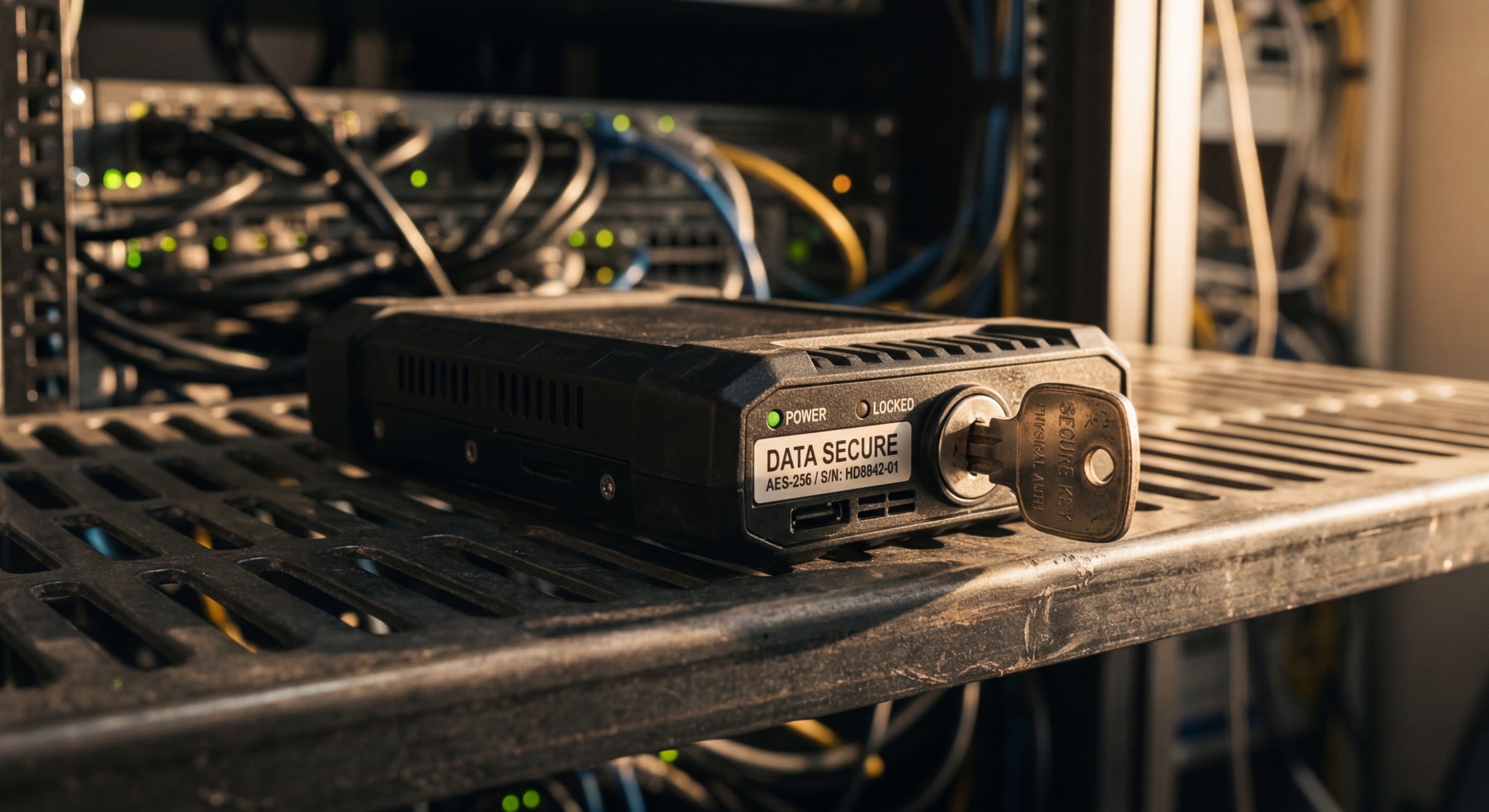
Nevada provides a safe harbor for encrypted data. If the personal information subject to the breach was encrypted and the encryption key was not acquired by the unauthorized person, notification is not required. This safe harbor applies only when the encryption key remains secure.
Personal Information That Triggers Notification
Under NRS 603A.040, personal information means a natural person's first name or first initial and last name combined with any one or more of the following data elements:
- Social Security number
- Driver's license number or identification card number
- Account number, credit card number, or debit card number combined with any required security code, access code, or password that would permit access to the financial account
- Medical identification number or health insurance identification number
What Nevada's Law Does Not Cover
Compared to states with recently updated laws, Nevada's definition of personal information does not include:
- Biometric data (fingerprints, retina scans, voiceprints)
- Username or email address combined with passwords
- Passport numbers
- Taxpayer identification numbers (other than SSNs)
Personal information does not include publicly available information that is lawfully made available to the general public from federal, state, or local government records.
Notification Timeline
Nevada requires notification "in the most expedient time possible and without unreasonable delay" under NRS 603A.220. The state does not impose a specific day count, giving entities flexibility to investigate before notifying.
When Delay Is Permitted
Notification may be delayed if:
- A law enforcement agency determines that the notification will impede a criminal investigation. The data collector must notify affected individuals after the law enforcement agency determines that notification no longer compromises the investigation.
- The data collector needs time to determine the scope of the breach and restore the reasonable integrity of the system. However, this must not cause unreasonable delay.
Who Must Be Notified
Affected Individuals
Every Nevada resident whose unencrypted personal information was or is reasonably believed to have been acquired by an unauthorized person must receive notification. The notification must be written in plain language and must include at minimum:
- The types of personal information that were or are reasonably believed to have been the subject of the breach
- General description of the breach incident
- The toll-free telephone number and address of the data collector
- Advice directing the individual to remain vigilant by reviewing account statements and monitoring free credit reports
No Attorney General Notification Required
Unlike the majority of U.S. states, Nevada does not require businesses to notify the Attorney General or any other state agency when a data breach occurs. This is a notable distinction that simplifies compliance for businesses but reduces the state's visibility into breach activity.
Consumer Reporting Agencies
When a breach affects 1,000 or more Nevada residents, the data collector must notify the consumer reporting agencies without unreasonable delay. The notification must include the timing, distribution, and content of the notification to individuals.
How to Provide Notification
Nevada permits the following notification methods:
- Written notification sent by mail to the last known address of the individual
- Electronic notification if the data collector's primary means of communication with the individual is by electronic means, consistent with the E-SIGN Act (15 U.S.C. 7001)
Substitute Notice
Substitute notice is available when:
- The cost of providing notification would exceed $250,000
- The affected class exceeds 500,000 people
- The data collector does not have sufficient contact information
Substitute notice must include all of the following:
- Email notification to individuals for whom the data collector has an email address
- Conspicuous posting of the notice on the data collector's website
- Notification to major statewide media outlets
Data Security Requirements
Beyond breach notification, Nevada imposes affirmative data security obligations. Under NRS 603A.210, data collectors that maintain personal information must implement and maintain reasonable security measures to protect that information from unauthorized access, acquisition, destruction, use, modification, or disclosure.
Nevada is also notable for its explicit PCI DSS mandate. Under NRS 603A.215, any data collector that accepts payment cards must comply with the current version of PCI DSS. This is one of the few state statutes that directly incorporates PCI DSS by reference.

Additionally, NRS 603A.215 requires businesses that transfer personal information outside the secure system of the business to use encryption. This requirement applies to all personal information, not just payment card data.
Enforcement and Penalties
Nevada's breach notification law is enforced through the state's general consumer protection framework. Data collectors that fail to comply with the notification requirements or the data security mandates are subject to enforcement by the Nevada Attorney General under the Deceptive Trade Practices Act.
The Attorney General may seek:
- Injunctive relief to stop ongoing violations
- Civil penalties as prescribed under the Deceptive Trade Practices Act
- Restitution for affected consumers
There is no private right of action for breach notification violations. However, NRS 603A.900 et seq. establishes that a data collector that fails to implement reasonable security measures and whose failure is the proximate cause of a breach may be liable for damages to affected individuals. This provision creates a limited damages framework outside the breach notification statute itself.

How Nevada's Privacy Laws Interact With Breach Notification
Nevada has two separate privacy statutes that interact with breach notification:
SB 220 (NRS 603A.340-360): Nevada's opt-out privacy law, effective October 1, 2019, requires covered operators of internet websites and online services to provide consumers with a mechanism to opt out of the sale of their personal information. While SB 220 does not contain its own breach notification requirements, compliance with its data handling requirements can reduce the scope of data at risk in a breach.
NRS 603A.200-290 (Security of Personal Information): This is the core breach notification and data security statute discussed throughout this article.
Both frameworks are enforced by the Attorney General. There is no overlap in their notification requirements, as SB 220 focuses on data sale practices rather than breach response.
More Nevada Laws
- Nevada Car Seat Laws
- Nevada Data Privacy Laws
- Nevada Dog Bite Laws
- Nevada Recording Laws
- Nevada Recording Laws
- Nevada Recording Laws
- Nevada Recording Laws
- Nevada Whistleblower Laws
Sources and References
This article draws from the following official Nevada government sources:
- Nev. Rev. Stat. 603A.010 et seq. (Security of Personal Information) - Full text of Nevada's data breach notification and data security statute
- NRS 603A.220 (Notification Requirements) - Notification timeline and methods
- NRS 603A.210 (Data Security Requirements) - Reasonable security measures mandate
- NRS 603A.215 (PCI DSS and Encryption) - Payment card security and encryption requirements
- Nevada Attorney General - AG consumer protection and enforcement
This article provides general legal information about [Nevada data privacy laws](/us-laws/data-privacy-laws/nevada-data-privacy-laws) and breach notification requirements. It is not legal advice, and it does not create an attorney-client relationship. Data breach response involves time-sensitive obligations. Consult a qualified attorney licensed in Nevada for guidance specific to your situation.
Sources and References
- Nev. Rev. Stat. 603A - Security of Personal Information(leg.state.nv.us).gov
- NRS 603A.220 - Notification Requirements(leg.state.nv.us).gov
- NRS 603A.210 - Data Security Requirements(leg.state.nv.us).gov
- NRS 603A.215 - PCI DSS and Encryption(leg.state.nv.us).gov
- Nevada Attorney General(ag.nv.gov).gov