Nevada Video Recording Laws: When Consent Is Required (2026)
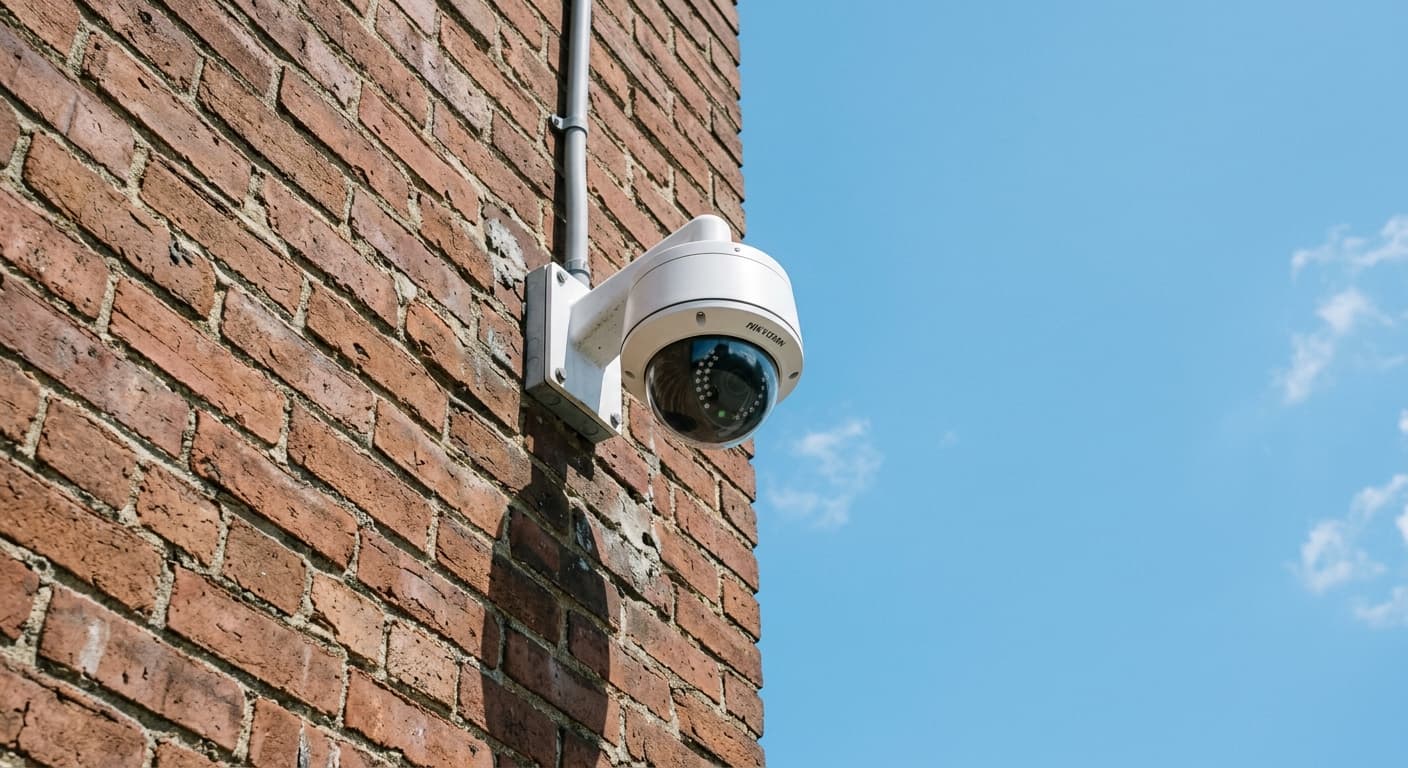
Nevada does not have a single, comprehensive video recording statute. Instead, the legality of video recording depends on three factors: whether the video captures audio, where the recording takes place, and what the camera is pointed at. Silent video in public spaces is broadly legal. Video with audio triggers Nevada's split consent framework. Video of someone's private body areas without consent is a crime.
This guide explains when video recording is legal in Nevada, how the audio component changes the rules, and what happens when you record video calls over the internet.
Silent Video Recording in Nevada
No Specific Consent Requirement
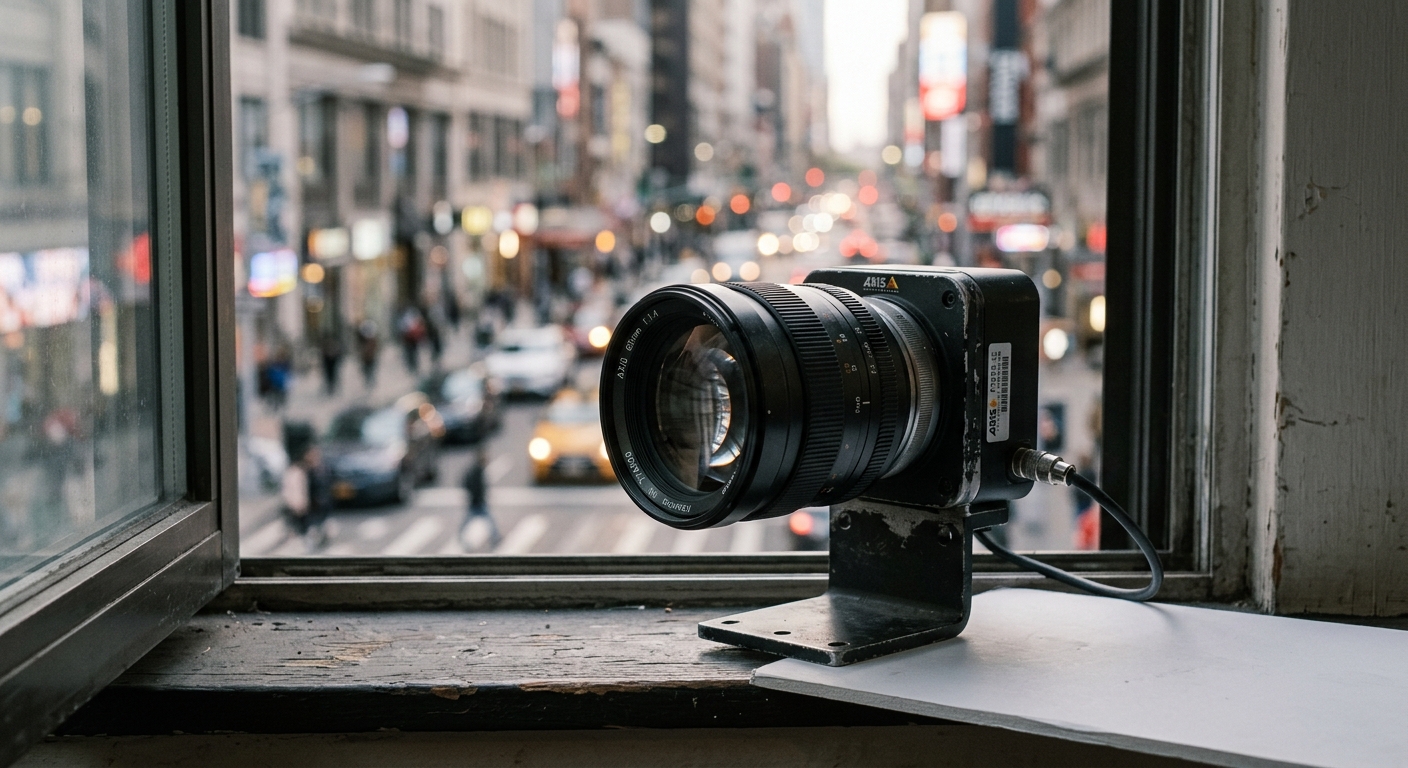
Nevada has no statute that specifically requires consent for silent (audio-free) video recording. You can generally operate a video camera without sound in:
- Public streets, sidewalks, parks, and plazas
- Your own home or property
- Retail stores and commercial establishments
- Parking lots and parking garages
- Office common areas like lobbies and hallways
The absence of a specific video consent law means that video-only recording is regulated primarily through general privacy principles rather than a recording consent statute.
Where Silent Video Is Still Illegal
Even without audio, video recording becomes illegal in Nevada when it crosses into voyeurism territory. NRS 200.604 prohibits capturing images of a person's "private area" without their consent. This includes:
- Upskirt or downblouse photography
- Hidden cameras in bathrooms, locker rooms, or changing rooms
- Any recording of body areas where a person has a reasonable expectation of privacy
A first offense under NRS 200.604 is a gross misdemeanor punishable by up to 364 days in jail and a $2,000 fine. Subsequent offenses are a Category E felony carrying 1 to 4 years in prison.
If the victim is under 18, additional charges under NRS 200.730 (use of a minor in producing pornography) may apply, which is a Category A felony with potential life imprisonment.
Video Recording With Audio: The Split Consent Rules
When a camera records both video and audio, the audio component triggers Nevada's consent requirements. This is where Nevada's split system becomes critical.
In-Person Video With Audio
If you are recording video of a face-to-face conversation you participate in, the audio falls under NRS 200.650, which follows one-party consent. Your own participation satisfies the consent requirement.
Common examples:
- Recording a meeting on your phone while you are in the room
- Using a body camera or wearable device during an in-person discussion
- Filming a conversation with your landlord at your apartment
In all these cases, the video with audio is legal because you are a participant and NRS 200.650 only requires one party's consent for in-person conversations.
Video Calls and Wire Communications
Video calls conducted over the internet are wire communications under NRS 200.620. This includes:
- Zoom meetings
- FaceTime calls
- Google Meet sessions
- Microsoft Teams calls
- WhatsApp video calls
- Any video conferencing platform
Recording any of these requires all-party consent. Every participant must agree before you press record. The built-in recording features in platforms like Zoom typically notify all participants, which can serve as a form of implied consent if no one objects. However, using a separate screen recorder or external device to capture the call without notification violates NRS 200.620.
The Nevada Supreme Court confirmed in Sharpe v. State, 350 P.3d 388 (Nev. 2015) that NRS 200.620 applies to modern electronic communications, including any transmission that passes through wire or cable infrastructure.
Quick Reference: Video Recording Legality in Nevada
| Situation | Legal? | Why |
|---|---|---|
| Silent video in a public place | Yes | No consent statute applies |
| Silent video on your own property | Yes | Property owner rights |
| Video with audio of in-person conversation you participate in | Yes | One-party consent (NRS 200.650) |
| Video with audio of conversation you are NOT part of | No | Eavesdropping (NRS 200.650) |
| Recording a Zoom or FaceTime call | Only with all-party consent | Wire communication (NRS 200.620) |
| Hidden camera in a bathroom or changing room | No | Voyeurism (NRS 200.604) |
| Upskirt or hidden body area video | No | Voyeurism (NRS 200.604) |
| Security camera with audio in your business | Depends on context | Audio triggers NRS 200.650 |

Security Camera Video in Nevada
Residential Security Cameras
Nevada homeowners can install video security cameras on their property without posting signs or notifying visitors. There is no state law requiring notification of video surveillance at a private residence.
However, cameras must not be positioned to record areas where others have a reasonable expectation of privacy. Pointing a camera into a neighbor's bedroom window or bathroom could result in voyeurism charges under NRS 200.604 or civil liability for invasion of privacy.
If your security camera records audio, the in-person one-party consent rule under NRS 200.650 may apply to conversations captured in areas where people expect privacy.
Commercial Security Cameras
Businesses can install video surveillance cameras in common areas such as sales floors, lobbies, hallways, and parking lots. Nevada does not require businesses to post "you are being recorded" signs for video-only surveillance, though many do as a deterrent.
Cameras are prohibited in employee restrooms, changing areas, and break rooms where employees have a reasonable expectation of privacy. If business cameras capture audio, the same split consent rules apply.
Penalties for Illegal Video Recording
Voyeurism Penalties (NRS 200.604)
| Offense | Classification | Maximum Prison | Maximum Fine |
|---|---|---|---|
| First offense (adult victim) | Gross misdemeanor | 364 days | $2,000 |
| Subsequent offense (adult victim) | Category E felony | 1 to 4 years | $5,000 |
| Victim under 18 | Category A felony (NRS 200.730) | Life with parole eligibility | $100,000 |
Audio-Related Penalties (NRS 200.690)
When illegal video recording includes audio captured in violation of NRS 200.620 or NRS 200.650, the penalties are those for illegal audio interception:
| Penalty | Details |
|---|---|
| Prison | 1 to 4 years (Category D felony) |
| Fine | Up to $5,000 |
| Civil damages | At least $1,000, plus punitive damages and attorney fees |
Civil Liability
Victims of illegal video recording can pursue civil remedies including:
- Invasion of privacy claims under common law
- Statutory damages under NRS 200.690 if audio was illegally captured
- Emotional distress claims
- Injunctive relief to stop ongoing recording
Video Recording in Specific Locations
Casinos and Gaming Establishments
Nevada casinos operate extensive video surveillance systems authorized under gaming regulations administered by the Nevada Gaming Control Board. Casinos are required to maintain surveillance of gaming areas under NGC Regulation 5. Patrons entering a casino have no reasonable expectation of privacy regarding video surveillance on the gaming floor.
However, casino surveillance does not extend to hotel rooms, and guests retain their privacy rights in private accommodations.
Hospitals and Medical Facilities
Video recording in hospitals raises both privacy and legal concerns. Patients can record their own medical appointments (video with audio is legal under one-party consent for in-person conversations). However, recording other patients or staff without consent in areas with privacy expectations may violate state or federal privacy rules.
The federal Health Insurance Portability and Accountability Act (HIPAA) restricts how healthcare providers handle patient information, though HIPAA does not directly regulate patient recording of their own visits.
Schools
Nevada public schools may use video surveillance under policies set by local school districts. The Nevada Department of Education does not mandate statewide video surveillance rules, leaving policy decisions to individual districts. Parents and students should check their district's specific policies.
Smart Glasses and Wearable Video Devices
Smart glasses like Meta Ray-Bans and similar wearable video devices follow the same rules as any other camera in Nevada. Silent video recording in public is legal. If the device captures audio of in-person conversations you participate in, one-party consent under NRS 200.650 applies.
The concern with smart glasses is their ability to record discreetly. While Nevada's video laws do not specifically address covert recording devices, pointing any camera at a person's private areas triggers NRS 200.604. Using smart glasses to record in bathrooms, locker rooms, or other private areas is illegal regardless of whether the recording is covert or obvious.
If smart glasses are used during a phone or video call, the all-party consent requirement under NRS 200.620 applies to the audio.
2025 Legislative Updates
Nevada's 83rd Legislature (2025 session) passed laws affecting video recordings involving synthetic or AI-generated content:
- SB 263 expanded criminal penalties for creating or distributing synthetic video depicting minors in explicit situations, effective January 1, 2026
- SB 213 created civil liability for distributing synthetic intimate video of adults without consent, effective January 1, 2026
These laws supplement NRS 200.604 and add penalties for AI-generated or deepfake video content.
More Nevada Recording Laws
Audio Recording | Video Recording | Voyeurism & Hidden Cameras | Workplace Recording | Recording Police | Phone Call Recording | Security Cameras | Recording in Public | Landlord-Tenant | Dashcam Laws | Schools | Medical Recording
Sources and References
- NRS 200.604 - Capturing Image of Private Area(leg.state.nv.us).gov
- NRS 200.620 - Interception of Wire Communications(leg.state.nv.us).gov
- NRS 200.650 - Surreptitious Intrusion of Privacy(leg.state.nv.us).gov
- NRS 200.690 - Penalties for Recording Violations(leg.state.nv.us).gov
- NRS 200.730 - Use of Minor in Producing Pornography(leg.state.nv.us).gov
- Nevada Gaming Control Board Regulations(gaming.nv.gov).gov
- HHS HIPAA Information(hhs.gov).gov