North Dakota Workplace Recording Laws: Employee and Employer Rights (2026)

North Dakota's one-party consent law under N.D.C.C. § 12.1-15-02 gives employees broad rights to record workplace conversations. You can record in-person meetings and phone calls you participate in without informing other parties, as long as the recording is not made for criminal or unlawful purposes. Employers also have rights to conduct surveillance in appropriate areas.
This guide covers employee recording rights, employer surveillance rules, how company policies interact with state law, federal labor protections, and how workplace recordings are used in legal proceedings.
Employee Recording Rights
Recording In-Person Workplace Conversations
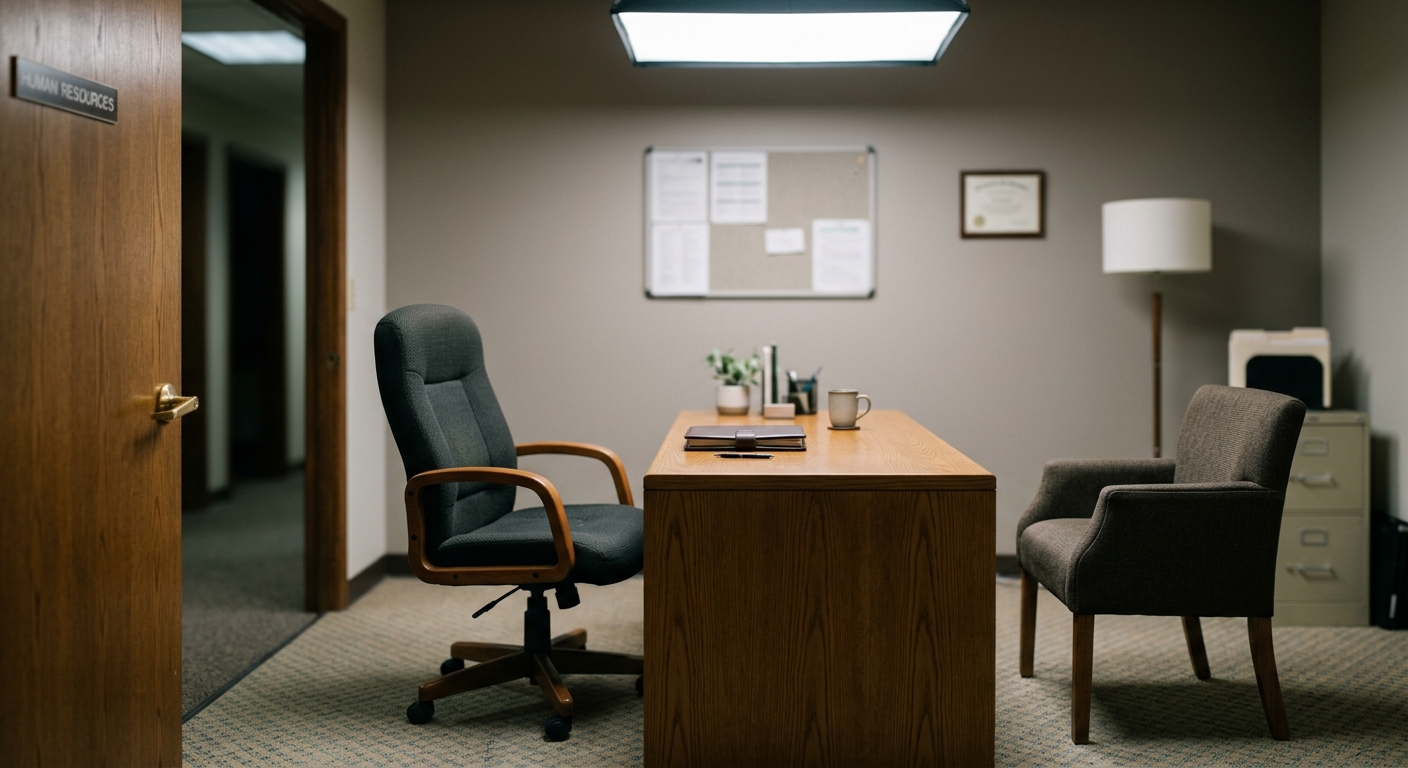
Under one-party consent, North Dakota employees can record face-to-face workplace interactions including:
- Meetings with supervisors and managers
- Performance reviews and disciplinary meetings
- Conversations with HR representatives
- Discussions with coworkers
- Safety briefings and verbal instructions
- Union meetings and organizing discussions
The recording must not be for criminal or unlawful purposes. Documenting harassment, preserving verbal agreements, and recording for potential litigation are all lawful purposes.
Recording Work Phone Calls
One-party consent applies to work phone calls. You can record calls with clients, conference calls, virtual meetings on Zoom or Teams, and calls with vendors without informing other participants.
The Unlawful Purpose Limitation
Even with one-party consent, recording at work becomes illegal if done for:
- Blackmail or extortion of a coworker or employer
- Facilitating fraud or theft
- Stalking or intimidating coworkers
- Any other criminal or unlawful purpose
Employer Surveillance Rights
Video Surveillance
North Dakota employers can install cameras in common work areas where employees have no reasonable privacy expectation: lobbies, sales floors, warehouses, parking lots, hallways, and cash register areas.
Prohibited Areas
Employers cannot place cameras in bathrooms, locker rooms, changing areas, nursing rooms, or medical examination areas. Cameras in these locations can result in criminal charges and civil liability.
Audio Surveillance
Employer audio surveillance follows one-party consent rules. An employee on the recorded call satisfies the consent requirement. However, the NLRB has found that pervasive audio surveillance can interfere with employees' Section 7 rights.
Company Recording Policies
Can Employers Ban Recording?
Many employers maintain no-recording policies. These policies are enforceable as employment conditions. Key points:
- A company policy cannot make recording a crime
- Violating the policy can result in termination (North Dakota is at-will)
- The recording itself remains legally valid
- Recordings made in violation of policy can still be used as evidence
When NLRA Protections Apply
The National Labor Relations Act protects recording as concerted activity when employees record to document unsafe conditions, wage theft, or unfair labor practices. Overly broad no-recording policies that chill protected activity may violate the NLRA.
Federal Protections
OSHA Whistleblower Protections
OSHA protects employees who report unsafe conditions. Recordings of safety violations support whistleblower claims under 29 U.S.C. § 660(c).
EEOC and Discrimination Documentation
Employees can use recordings to support discrimination and harassment claims filed with the EEOC. Courts evaluate these recordings on a case-by-case basis.
Using Workplace Recordings in Legal Proceedings
Workplace recordings are admissible in North Dakota courts for employment lawsuits, workers' compensation claims, and administrative proceedings before the North Dakota Department of Labor. They can support claims of wrongful termination, harassment, discrimination, wage theft, and retaliation.
Remote Work Monitoring
North Dakota does not have specific remote work monitoring legislation. Employers should disclose monitoring practices in writing and limit monitoring to work activities on company devices.
More North Dakota Recording Laws
Audio Recording | Video Recording | Voyeurism & Hidden Cameras | Workplace Recording | Recording Police | Phone Call Recording | Security Cameras | Recording in Public | Landlord-Tenant | Dashcam Laws | Schools | Medical Recording
Sources and References
- N.D.C.C. § 12.1-15-02(ndlegis.gov).gov
- NLRA(nlrb.gov).gov
- OSHA(osha.gov).gov
- EEOC(eeoc.gov).gov