North Dakota Voyeurism and Hidden Camera Laws: Penalties and Protections (2026)

North Dakota addresses voyeurism and hidden camera offenses through a combination of its intimate images distribution law, criminal privacy protections, and common law privacy principles. While North Dakota does not have a single comprehensive voyeurism statute like some states, N.D.C.C. § 12.1-17-07.2 criminalizes the distribution of intimate images without consent, and other criminal statutes address the underlying conduct of invasive surveillance.
This guide covers what North Dakota law prohibits regarding voyeurism and hidden cameras, penalties for violations, how these laws interact with recording consent rules, and remedies available to victims.
North Dakota's Approach to Voyeurism
The Legal Framework
North Dakota addresses voyeurism and hidden camera offenses through several overlapping legal provisions:
- N.D.C.C. § 12.1-17-07.2 criminalizes knowing distribution of intimate images without consent
- N.D.C.C. § 12.1-31-01 covers disorderly conduct, which can include intrusive surveillance behavior
- Common law invasion of privacy provides civil remedies for intrusive surveillance
- N.D.C.C. § 12.1-15-02 covers interception of oral communications (the wiretap statute)
What Constitutes Voyeurism in North Dakota
While North Dakota lacks a single labeled "voyeurism" statute, the following conduct is prohibited through various laws:
- Hidden cameras in private spaces such as bathrooms, locker rooms, bedrooms, and changing rooms
- Distribution of intimate images captured without consent or distributed without consent
- Peeping into private areas using devices or physical positioning
- Upskirting and similar concealed camera tactics that invade bodily privacy
Places Where Privacy Is Expected
North Dakota courts recognize a reasonable expectation of privacy in:
- Bathrooms and restrooms
- Locker rooms and changing areas
- Bedrooms in private residences
- Hotel and motel rooms
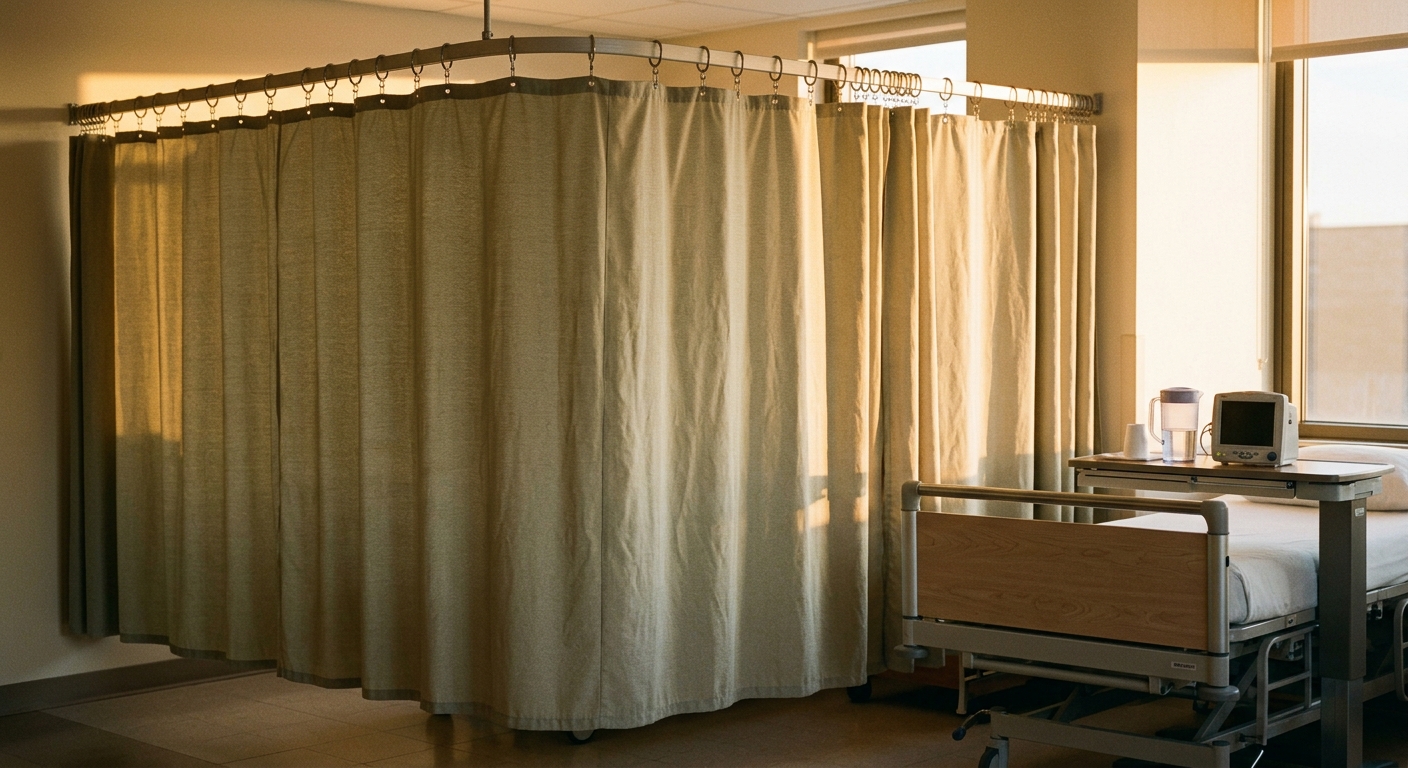
- Hospital rooms and medical examination areas
- Tanning booths and spa treatment rooms
- Dressing rooms in retail stores
Intimate Images Distribution: N.D.C.C. § 12.1-17-07.2
What the Law Covers
Under N.D.C.C. § 12.1-17-07.2, it is a crime to knowingly distribute intimate images of another person without that person's consent when:
- The images were created under circumstances where the person had a reasonable expectation of privacy
- The distribution causes actual emotional distress to the depicted person
- The distributor knows or should know the depicted person did not consent
Penalties
| Offense | Classification | Maximum Penalty |
|---|---|---|
| Distribution of intimate images | Class A Misdemeanor | 360 days jail, $3,000 fine |
What Qualifies as "Intimate Images"
The statute covers photographs, digital images, videos, and visual recordings showing intimate parts of a person or depicting a person engaged in sexual activity.
Hidden Cameras: Common Scenarios
Hidden Cameras in Rental Properties
Landlords who install hidden cameras in rental units face potential criminal charges for disorderly conduct, harassment, or other applicable offenses. Tenants who discover hidden cameras should document the camera, contact law enforcement, and consult with the North Dakota Attorney General's office.
Hidden Cameras in the Workplace
Employers who install cameras in bathrooms, locker rooms, or changing areas face criminal liability. Employees who discover improper surveillance should report it to HR, law enforcement, and the North Dakota Department of Labor.
Hidden Cameras in Hotels
Hotel guests have a reasonable expectation of privacy. Hidden cameras in hotel rooms are illegal. Report discoveries to local police and hotel management.
Defenses and Civil Remedies
Common Defenses
- Consent of the person depicted
- No reasonable expectation of privacy in the recording location
- Lack of knowledge that the camera was recording
Civil Remedies for Victims
Victims can pursue:
- Invasion of privacy tort claims for compensatory damages
- Intentional infliction of emotional distress claims
- Injunctive relief ordering removal of distributed images
- Restraining orders preventing further contact
The North Dakota Legal Self Help Center provides resources for individuals seeking legal remedies.
Interaction with Recording Consent Laws
North Dakota's wiretapping statute under N.D.C.C. § 12.1-15-02 covers audio interception with one-party consent. Voyeurism laws address the visual component that the wiretap statute does not cover. When recording includes both video and audio, both sets of laws may apply simultaneously.
More North Dakota Recording Laws
Audio Recording | Video Recording | Voyeurism & Hidden Cameras | Workplace Recording | Recording Police | Phone Call Recording | Security Cameras | Recording in Public | Landlord-Tenant | Dashcam Laws | Schools | Medical Recording
Sources and References
- N.D.C.C. § 12.1-17-07.2(ndlegis.gov).gov
- N.D.C.C. § 12.1-15-02(ndlegis.gov).gov
- ND Attorney General(attorneygeneral.nd.gov).gov
- ND Courts Self Help(ndcourts.gov).gov