Nevada Security Camera Laws: Installation Rules and Privacy Limits (2026)
Nevada does not have a comprehensive security camera statute. Instead, the legality of security cameras depends on where they are installed, whether they capture audio, and what they are pointed at. Video-only surveillance is broadly legal in public and semi-public spaces. Audio-capable cameras trigger Nevada's split consent framework: one-party consent for in-person conversations under NRS 200.650, and all-party consent for phone or wire communications under NRS 200.620.
This guide covers residential and commercial security camera rules, audio recording restrictions, prohibited locations, HOA and neighbor disputes, and special rules for casinos and gaming establishments.
Residential Security Cameras
What Homeowners Can Do
Nevada homeowners have broad rights to install security cameras on their own property. You can place cameras to monitor:
- Your front door, porch, and entryway
- Driveways and garages
- Backyards and side yards
- Interior common areas of your home
- Any area of your property you wish to monitor
There is no state law requiring you to post signs, notify visitors, or register your camera system with any government agency.
Restrictions for Residential Cameras
Even on your own property, security cameras must not:
- Record areas where others have a reasonable expectation of privacy. Pointing a camera into a neighbor's bedroom window, bathroom, or other private area can violate NRS 200.604 and result in voyeurism charges.
- Capture audio of conversations you are not participating in. If your outdoor camera has a microphone that picks up neighbors' private conversations, the audio component may violate NRS 200.650 if you are not a participant in those conversations.
- Be positioned to harass or intimidate. While not addressed by a specific recording statute, a camera deliberately aimed at a neighbor's property to harass them could support a civil harassment claim.
Doorbell Cameras (Ring, Nest, Blink)
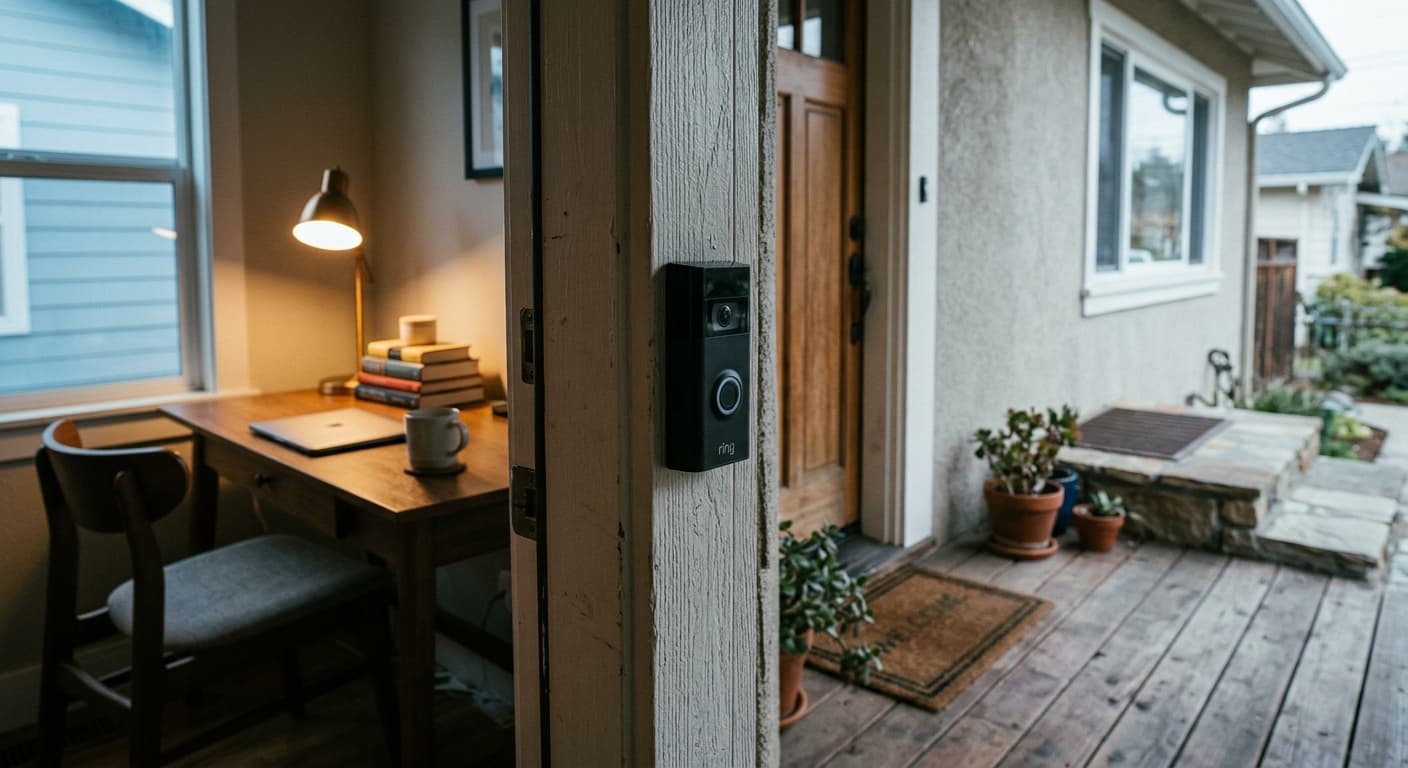
Smart doorbell cameras like Ring, Google Nest, and Blink are legal in Nevada. These devices typically record both video and audio of your front door area. The audio component is generally permissible because:
- Visitors who approach your door and speak to you are in a semi-public area with reduced privacy expectations
- When you communicate through the doorbell's two-way talk feature, you are a participant in the conversation (satisfying one-party consent under NRS 200.650)
However, if a doorbell camera captures audio of private conversations between others who are not interacting with you, the recording may raise issues under NRS 200.650.
Nanny Cameras and Indoor Surveillance
Hidden cameras inside your own home are legal for video-only recording of common areas. This includes nanny cameras to monitor childcare providers. However:
- Cameras are prohibited in bathrooms and areas where the nanny or any other person has a privacy expectation
- Audio recording requires compliance with NRS 200.650 (you must be a participant in the conversation, or the conversation must occur in a non-private setting)
- If the nanny makes phone calls, audio captured from those calls may violate NRS 200.620's all-party consent requirement
Commercial Security Cameras
Where Businesses Can Install Cameras
Nevada businesses can install video security cameras in:
- Sales floors and retail areas
- Lobbies, reception areas, and waiting rooms
- Hallways and corridors
- Parking lots and garages
- Warehouse and storage areas
- Loading docks and shipping areas
- Cash register areas and point-of-sale locations
- Building exteriors and perimeters
Where Cameras Are Prohibited
Cameras are strictly prohibited in locations where employees or customers have a reasonable expectation of privacy:
| Prohibited Location | Reason |
|---|---|
| Bathrooms and restrooms | Privacy expectation (NRS 200.604) |
| Locker rooms and changing areas | Privacy expectation (NRS 200.604) |
| Nursing and lactation rooms | Privacy expectation |
| Employee break rooms (context-dependent) | May have privacy expectation |
| Private offices with closed doors (context-dependent) | May have privacy expectation |
Installing a camera in a prohibited location is a gross misdemeanor for a first offense under NRS 200.604 (up to 364 days jail, $2,000 fine) and a Category E felony for subsequent offenses (1 to 4 years prison).
Signage Requirements
Nevada does not have a state law requiring businesses to post "security cameras in use" or "you are being recorded" signs. However, many businesses post signs for several practical reasons:
- Deterrence against theft and vandalism
- Reduced liability through customer notice
- Compliance with insurance requirements
- Best practices recommended by security consultants
Some local jurisdictions may have their own signage ordinances. Check with your city or county for any local requirements.
Audio on Business Security Cameras
Many modern security cameras include microphones for two-way communication or ambient audio recording. When a business security camera records audio:
- In-person conversations in the camera's range: If the business owner or employee is participating in the conversation, one-party consent under NRS 200.650 applies. If the camera records conversations the business is not part of, this may violate NRS 200.650.
- Phone calls captured by the microphone: If the camera's microphone picks up someone's phone call, the audio may violate NRS 200.620's all-party consent requirement for wire communications.
The safest practice for businesses is to disable audio recording on security cameras or clearly notify all people in the area that audio recording is in progress.
Casino Surveillance
Nevada Gaming Control Board Requirements
Nevada casinos operate extensive surveillance systems under regulations issued by the Nevada Gaming Control Board (NGCB). NGC Regulation 5 requires casinos to maintain surveillance systems that monitor:
- All gaming tables and gaming devices
- Count rooms and cash handling areas
- Cage and vault areas
- Main entrances and exits
Casino surveillance systems must meet specific technical standards for image quality, coverage, and retention periods. The NGCB can inspect surveillance systems and footage at any time.
Patron Privacy in Casinos
Patrons entering a Nevada casino have no reasonable expectation of privacy regarding video surveillance on the gaming floor, in restaurants, in hallways, and in other public areas. However:
- Hotel room surveillance by the casino is prohibited
- Bathroom and changing area surveillance is prohibited
- Casino surveillance footage of patrons is not public record and is generally kept confidential
Audio Recording in Casinos
Casino surveillance systems that capture audio must comply with Nevada's recording consent laws. Many casinos use video-only systems in gaming areas and reserve audio capability for specific security situations where authorized by management.
HOA and Neighbor Disputes
Common Issues
Security camera disputes between neighbors are increasingly common. In Nevada, the most frequent issues include:
- Cameras aimed at neighbor's property: A camera that primarily monitors your own property but incidentally captures some of your neighbor's driveway or yard is generally legal. A camera deliberately aimed to surveil a neighbor's private areas may violate NRS 200.604 or give rise to civil claims.
- Audio capture of neighbor conversations: If your security camera's microphone picks up your neighbor's private conversations, the audio may violate NRS 200.650.
- HOA restrictions: Many homeowners' associations in Nevada have rules about security camera placement, size, and visibility. HOA rules can be more restrictive than state law.
Legal Options for Disputes
If a neighbor's camera is invading your privacy:
- Talk to the neighbor and request a camera repositioning
- Contact your HOA if applicable
- File a police report if the camera is positioned to view private areas in violation of NRS 200.604
- Consult an attorney about civil remedies including injunctions and damages
Security Camera Footage as Evidence
Admissibility in Nevada Courts
Security camera footage is generally admissible as evidence in Nevada courts if:
- The camera was operating lawfully (not in a prohibited location, no illegal audio)
- The footage can be authenticated as genuine and unaltered
- The footage is relevant to the case
- The footage was preserved in its original format
Preservation and Retention
Nevada has no general state law requiring specific retention periods for private security camera footage. However:
- Insurance companies may require minimum retention periods
- If you are involved in a legal dispute, you have a duty to preserve relevant footage once litigation is anticipated
- Law enforcement can request footage and may obtain a court order if you refuse
Smart Home Security Systems
Ring, Nest, Arlo, and Similar Systems
Cloud-connected security systems raise unique considerations in Nevada:
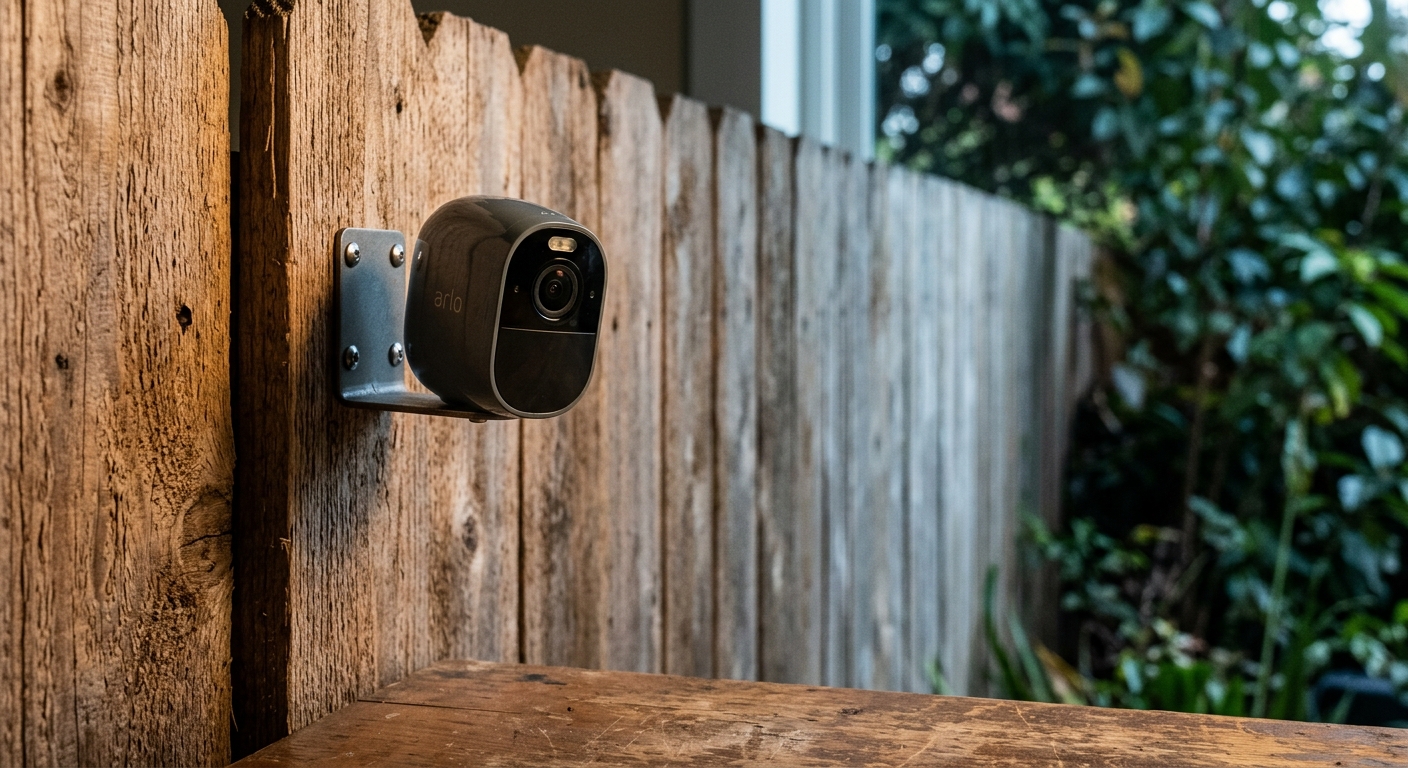
- Footage shared with law enforcement: Some platforms like Ring have partnerships with police departments. In 2024, Ring changed its policies to require a warrant or court order before sharing customer footage with police, but policies vary by platform and may change.
- Cloud storage and data privacy: Footage stored on company servers is subject to the platform's privacy policy and terms of service.
- Two-way audio: When you use a two-way talk feature to speak with someone at your door, you are a participant in the conversation, satisfying NRS 200.650's one-party consent requirement.
License Plate Reader Cameras
Some residential and commercial security systems include license plate recognition (LPR) cameras. Nevada does not have a state law specifically regulating private LPR cameras. However, NRS 238.640 regulates the use of automated license plate readers by government entities, requiring policies on data retention and access.
Penalties Summary
| Violation | Classification | Penalty |
|---|---|---|
| Camera in bathroom/locker room (first offense) | Gross misdemeanor | Up to 364 days jail, $2,000 fine |
| Camera in bathroom/locker room (subsequent) | Category E felony | 1-4 years prison, $5,000 fine |
| Camera capturing audio without consent (in-person) | Category D felony | 1-4 years prison, $5,000 fine |
| Camera capturing phone call audio | Category D felony | 1-4 years prison, $5,000 fine |
| Camera aimed at private body areas | Gross misdemeanor/felony | Varies by offense number |
More Nevada Recording Laws
Audio Recording | Video Recording | Voyeurism & Hidden Cameras | Workplace Recording | Recording Police | Phone Call Recording | Security Cameras | Recording in Public | Landlord-Tenant | Dashcam Laws | Schools | Medical Recording
Sources and References
- NRS 200.604 - Capturing Image of Private Area(leg.state.nv.us).gov
- NRS 200.620 - Interception of Wire Communications(leg.state.nv.us).gov
- NRS 200.650 - Surreptitious Intrusion of Privacy(leg.state.nv.us).gov
- NRS 200.690 - Penalties(leg.state.nv.us).gov
- Nevada Gaming Control Board Regulations(gaming.nv.gov).gov
- NRS 239.010 - Public Records(leg.state.nv.us).gov