Nevada School Recording Laws: Rules for Students, Parents, and Teachers (2026)
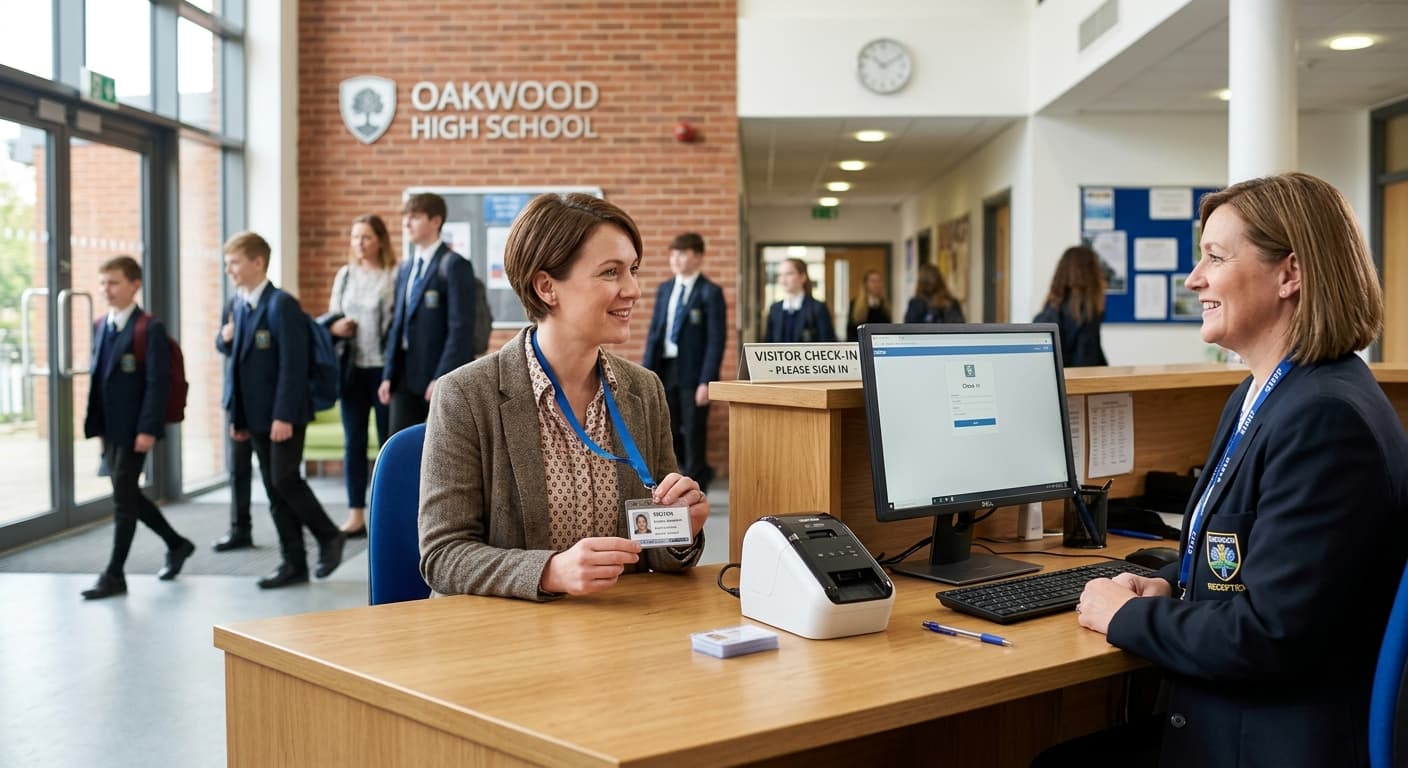
Recording in Nevada schools involves a mix of state recording consent laws, federal education privacy rules, and individual school district policies. Nevada's split consent framework applies in schools just as it does everywhere else: in-person conversations follow one-party consent under NRS 200.650, while phone calls and electronic communications require all-party consent under NRS 200.620.
This guide covers student recording rights, parent recording at meetings, teacher recording rules, school security cameras, IEP and 504 meeting recording, and how district policies interact with state law.
How Nevada's Split Consent Rules Apply in Schools
In-Person Conversations
Under NRS 200.650, anyone who participates in an in-person conversation at a Nevada school can record it without notifying other participants. This means:
- A student can record a face-to-face conversation with a teacher, counselor, or administrator
- A parent can record an in-person meeting with school staff
- A teacher can record a face-to-face conversation with a student, parent, or colleague
- An administrator can record in-person discussions they participate in
The critical requirement is active participation. You must be part of the conversation, not just present in the room.
Phone Calls and Video Conferences
Phone calls and video conferences about school matters require all-party consent under NRS 200.620. This includes:
- Parent-teacher phone conferences
- Phone calls between parents and school administrators
- Zoom, Google Meet, or Teams meetings for remote conferences
- Phone calls to the school office or attendance line
Recording any of these without every participant's consent is a Category D felony under NRS 200.690.
Quick Reference Table
| School Recording Situation | Legal? | Consent Rule |
|---|---|---|
| Student records in-person conversation with teacher | Yes | One-party (NRS 200.650) |
| Parent records in-person IEP meeting | Yes | One-party (NRS 200.650) |
| Teacher records in-person parent conference | Yes | One-party (NRS 200.650) |
| Parent records phone call with teacher | Only with all-party consent | All-party (NRS 200.620) |
| Parent records Zoom conference with school | Only with all-party consent | All-party (NRS 200.620) |
| Student records classroom lecture | Yes (participant) | One-party (NRS 200.650) |
| Student records other students' private conversation | No | Must be participant |
Student Recording Rights
In the Classroom
Nevada students can record classroom lectures and discussions they participate in under NRS 200.650. A student sitting in class is a participant in the educational conversation occurring in that room. This allows students to:
- Record lectures for study purposes
- Record class discussions and presentations
- Record teacher instructions and explanations
- Record their own presentations and group work
However, school district policies may restrict student recording. Many Nevada school districts have student codes of conduct that prohibit recording without permission. Violating these policies can result in:
- Confiscation of the recording device during the school day
- Detention or suspension
- Other disciplinary consequences under the student code
The recording itself is not illegal under state law, but the student may face school discipline for violating district policy.
On School Grounds
Students can record video and in-person conversations they participate in on school grounds, including:
- Hallway interactions
- Cafeteria conversations
- Playground and recess activities
- Before and after school interactions
- Sports and extracurricular activities
Students should be aware that recording other students' private conversations that they are not participating in may violate NRS 200.650 if those conversations have a reasonable expectation of privacy.
Student Cell Phone Policies
Many Nevada school districts restrict cell phone use during school hours. The Clark County School District (CCSD), the largest in Nevada, and the Washoe County School District both have policies governing student device use. These policies may effectively limit students' ability to record during school hours even though the recording itself would be legal under state law.
Parent Recording Rights
IEP Meetings
Parents of students with disabilities frequently want to record Individualized Education Program (IEP) meetings. Under Nevada state law:
- An in-person IEP meeting is a face-to-face conversation where the parent is a participant. Under NRS 200.650, the parent can record without notifying the school.
- A virtual IEP meeting conducted over Zoom or phone is a wire communication. Under NRS 200.620, all-party consent is required.
Federal guidance: The U.S. Department of Education has stated that neither the Individuals with Disabilities Education Act (IDEA) nor its regulations prohibit the recording of IEP meetings. The Department has indicated that school districts should not have policies that prevent parents from recording IEP meetings, as such policies could deny parents a Free Appropriate Public Education (FAPE) for their child if the parent needs the recording to understand the IEP process.
However, individual school districts may have recording policies. If a school refuses to allow recording, parents should:
- Request the policy in writing
- Consider whether the policy violates their IDEA rights
- Consult with a special education advocate or attorney
- File a complaint with the Nevada Department of Education if necessary
504 Plan Meetings
Section 504 meetings follow the same recording rules as IEP meetings. In-person 504 meetings can be recorded under one-party consent. Virtual 504 meetings require all-party consent.
Parent-Teacher Conferences
Parents can record in-person parent-teacher conferences under NRS 200.650. Phone conferences require all-party consent. If you need to document a phone conference, ask the teacher at the start of the call if you can record.
Discipline Hearings
Parents attending in-person school discipline hearings can record the proceedings under one-party consent. These recordings can be valuable if you need to appeal the discipline decision or pursue legal action.
Teacher and Staff Recording
Recording Students
Teachers can record in-person classroom interactions they participate in under NRS 200.650. However, teachers should be mindful of:
- FERPA implications: Recordings that contain personally identifiable information about students are "education records" under the Family Educational Rights and Privacy Act (FERPA). Schools must protect these records and cannot share them without parent consent (or student consent for students over 18).
- District policy: Most school districts have policies governing teacher recording that may be more restrictive than state law.
- Student privacy: Even though recording is legal, distributing recordings of students on social media or other platforms could violate FERPA and district policy.
Recording Colleagues
Teachers can record in-person conversations with other staff members under NRS 200.650. This may be relevant when documenting workplace issues such as harassment, discrimination, or safety concerns. However, recording phone calls with colleagues requires all-party consent.
Recording Administrators
Teachers can record in-person meetings with administrators, including disciplinary meetings and evaluation discussions, under one-party consent. These recordings may be useful in employment disputes.
School Security Cameras
Where Cameras Are Permitted
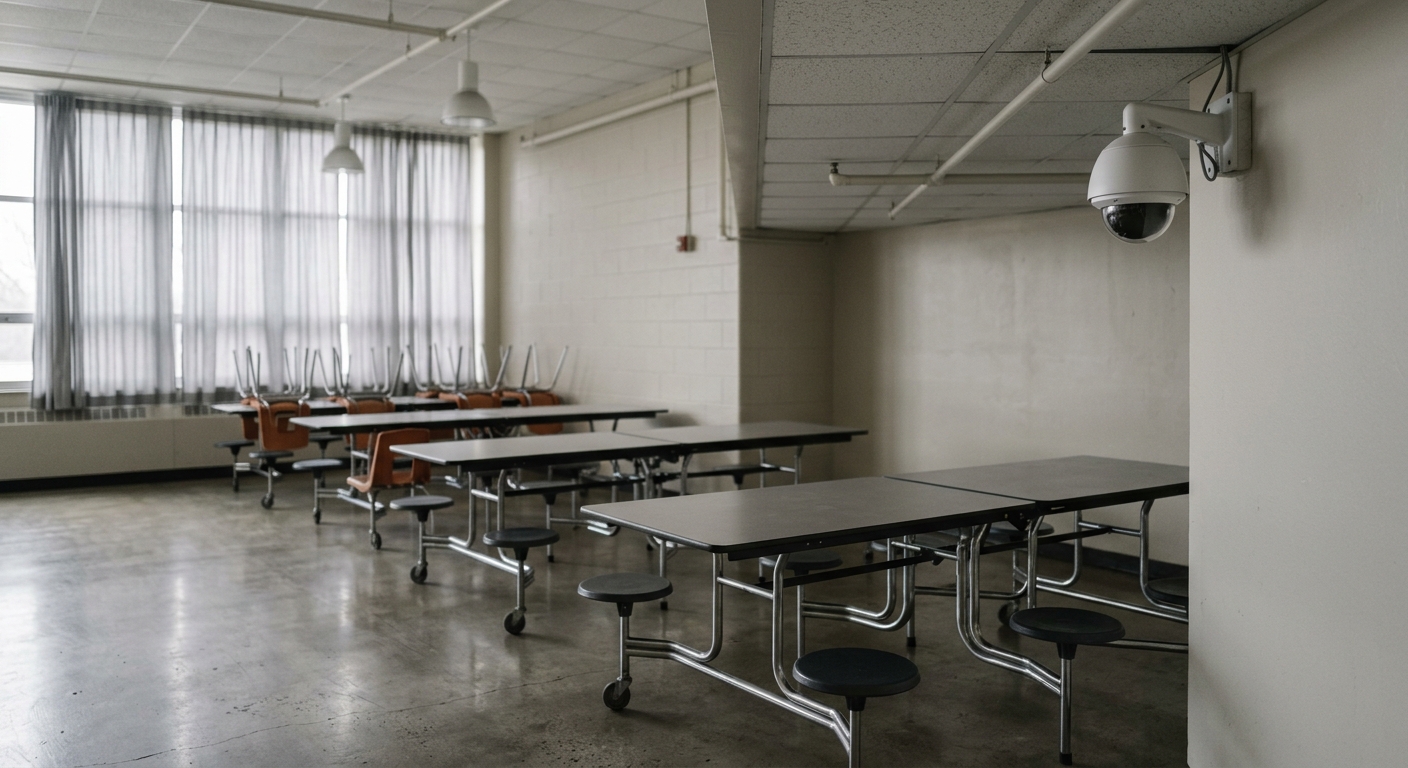
Nevada school districts commonly install security cameras in:
- Building entrances and exits
- Hallways and corridors
- Parking lots
- Cafeterias and gyms
- Bus loading areas
- Playgrounds and outdoor common areas
The Nevada Department of Education does not mandate statewide school security camera policies. Individual districts set their own rules. Both CCSD and WCSD maintain surveillance systems in their schools.
Where Cameras Are Prohibited
Under NRS 200.604, cameras are prohibited in locations where students and staff have a reasonable expectation of privacy:
- Student bathrooms and restrooms
- Locker rooms and changing areas
- Staff restrooms
- Nursing areas
Installing cameras in these locations is a criminal offense. A first offense is a gross misdemeanor; subsequent offenses are a Category E felony. If victims are minors, additional charges under NRS 200.730 may apply.
Audio on School Security Cameras
If school security cameras capture audio, the consent rules apply. Schools should use video-only systems or ensure that audio recording complies with NRS 200.650.
FERPA and Student Privacy
What FERPA Protects
The Family Educational Rights and Privacy Act (FERPA) protects the privacy of student education records. Under FERPA:
- Schools must have written consent from a parent or eligible student before disclosing personally identifiable information from education records
- Parents have the right to inspect and review their child's education records
- Students gain FERPA rights when they turn 18 or enter postsecondary education
How FERPA Interacts With Recording
FERPA does not directly prohibit recording in schools. However:
- Recordings that become part of a student's education record are subject to FERPA protections
- Schools cannot share recordings containing student information without proper consent
- Parents' recordings of their own IEP meetings are not "education records" under FERPA because they are not maintained by the school
Directory Information
Schools may designate certain information as "directory information" (name, grade level, participation in activities) that can be disclosed without consent. Video or audio recordings of students are typically not directory information and receive full FERPA protection.
School Bus Recording
Nevada school districts may install video surveillance systems on school buses. These systems help:
- Monitor student behavior
- Document incidents for disciplinary purposes
- Provide evidence in accident investigations
- Deter bullying and vandalism
Many districts post signs on buses indicating that video recording is in progress. Audio recording on school buses must comply with NRS 200.650.
More Nevada Recording Laws
Audio Recording | Video Recording | Voyeurism & Hidden Cameras | Workplace Recording | Recording Police | Phone Call Recording | Security Cameras | Recording in Public | Landlord-Tenant | Dashcam Laws | Schools | Medical Recording
Sources and References
- NRS 200.650 - Surreptitious Intrusion of Privacy(leg.state.nv.us).gov
- NRS 200.620 - Interception of Wire Communications(leg.state.nv.us).gov
- NRS 200.604 - Voyeurism(leg.state.nv.us).gov
- FERPA - U.S. Department of Education(ed.gov).gov
- Nevada Department of Education(doe.nv.gov).gov