Nevada Dashcam Laws: Legal Rules for Dashboard Cameras (2026)
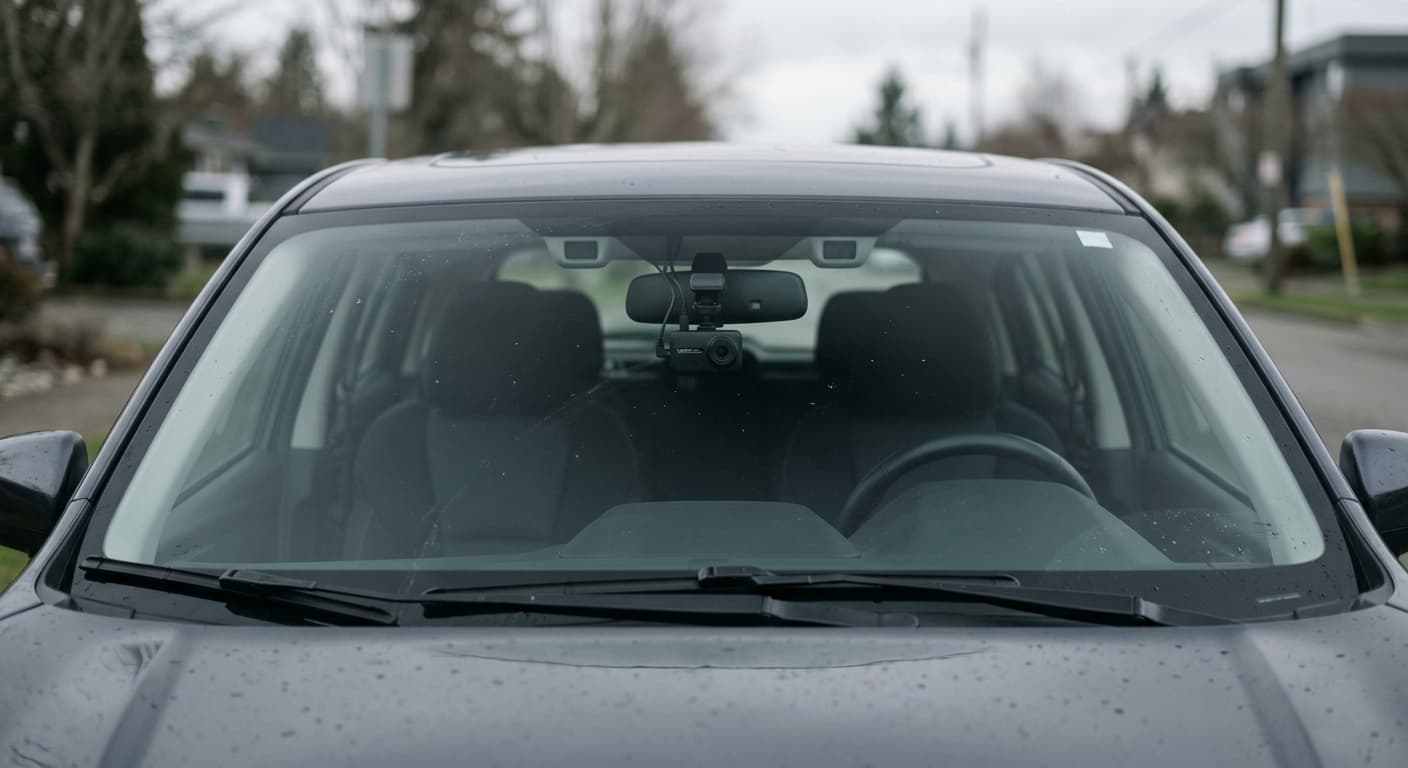
Dashcams are legal in Nevada and increasingly common among drivers who want to document road conditions, traffic stops, and accidents. Nevada does not have a specific dashcam statute, but existing laws on windshield obstructions, recording consent, and evidence admissibility apply. The critical issue most drivers miss is how Nevada's split consent recording framework affects dashcam audio: in-person conversations inside the car follow one-party consent under NRS 200.650, but phone calls require all-party consent under NRS 200.620.
This guide covers mounting requirements, audio recording rules, using dashcam footage as evidence, commercial vehicle requirements, and special situations like recording police during traffic stops.
Dashcam Mounting Rules
Windshield Obstruction Laws
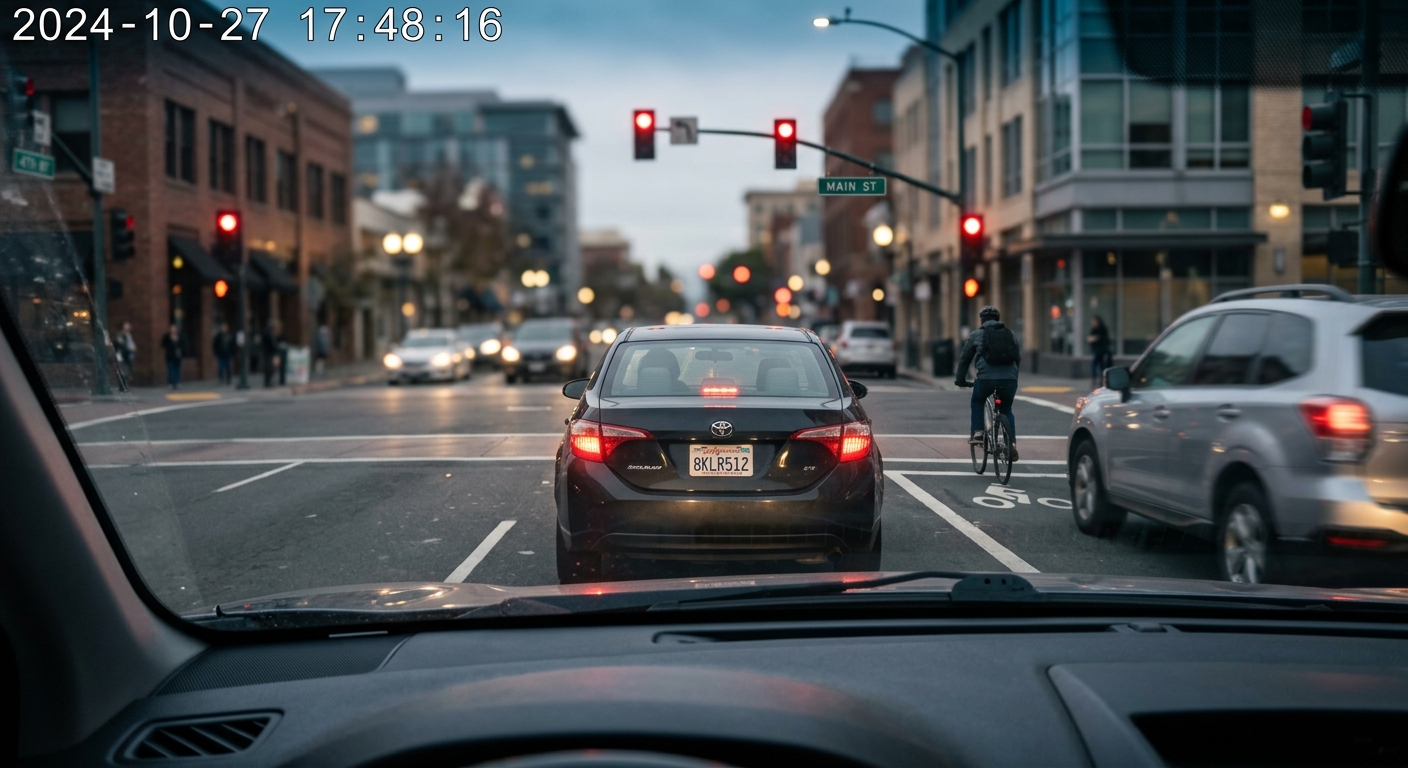
Nevada law under NRS 484D.210 prohibits driving a motor vehicle with any object or material that obstructs the driver's clear view through the windshield. This means your dashcam:
- Must be mounted in a location that does not block your view of the road
- Should be placed behind the rearview mirror area or in a lower corner of the windshield
- Cannot be large enough to create a significant blind spot
- Must not interfere with any required safety equipment
Best Mounting Practices
For legal compliance and optimal recording:
| Location | Recommended? | Notes |
|---|---|---|
| Behind rearview mirror | Yes | Least obstructive, centered view |
| Upper right corner | Yes | Minimal obstruction |
| Lower right corner | Acceptable | May capture hood, less road |
| Center of windshield | No | Obstructs driver view |
| Dashboard surface | Yes | No windshield obstruction |
| Suction cup that falls | Risk | Could become projectile |
Tinting and Dashcam Visibility
Nevada regulates windshield tinting under NRS 484D.440. The windshield may have tinting only on the top of the windshield and not below the AS-1 line (typically the top 5-6 inches). If your dashcam is mounted in the tinted area, ensure the camera lens is below the tint line for clear recording.
Dashcam Video Recording
No Consent Required for Road Video
Video recording on public roads requires no consent. Drivers, passengers, pedestrians, and other vehicles on public streets have no reasonable expectation of privacy. Your dashcam can legally record:
- Traffic and road conditions
- Other vehicles, their license plates, and their drivers
- Pedestrians and cyclists on public roads
- Traffic signals, signs, and road markings
- Accidents and near-misses
- Police vehicles and traffic stops
Rear-Facing and Interior Cameras
Many dashcam systems include rear-facing cameras and interior cabin cameras. In Nevada:
- Rear-facing cameras that record the view behind your vehicle are legal and follow the same rules as front-facing dashcams
- Interior cabin cameras that record video of passengers are legal for video-only recording
- Interior cameras with audio trigger the split consent rules described below
Dashcam Audio: The Split Consent Issue
In-Car Conversations (One-Party Consent)
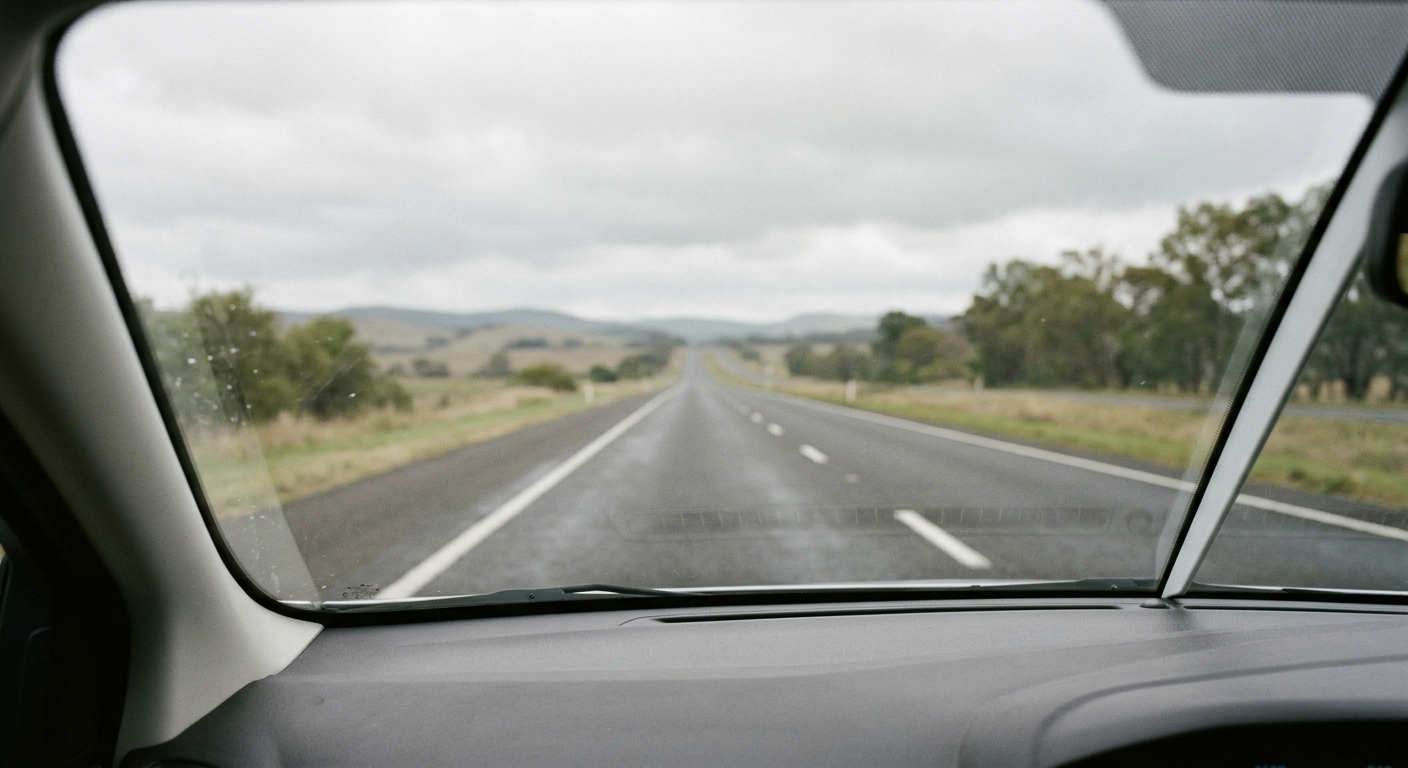
When your dashcam records audio of conversations inside the vehicle, NRS 200.650's one-party consent rule applies. As the driver and a participant in the conversation, your consent is sufficient. You can record in-car conversations with passengers without notifying them.
This covers:
- Conversations with passengers
- Your own verbal narration of road events
- Discussions during road trips
- Conversations during rideshare trips (if you are the driver and a participant)
Phone Calls (All-Party Consent Required)
This is where most Nevada drivers unknowingly risk committing a felony. If your dashcam's microphone records a phone call, the all-party consent requirement under NRS 200.620 applies. This includes:
- Hands-free phone calls through the car's Bluetooth system
- Speakerphone calls
- VOIP calls played through the car speakers
- Any phone conversation audible to the dashcam
If you take a phone call while your dashcam is recording audio, you are recording a wire communication. Unless the person on the other end of the call has consented to recording, you have violated NRS 200.620.
Practical solutions:
- Disable audio recording on your dashcam entirely
- Pause audio recording when taking or making phone calls
- Announce to the caller that the dashcam is recording audio and get their consent
- Use earbuds or a headset so the dashcam microphone does not pick up the phone conversation
Rideshare and Taxi Drivers
Nevada rideshare and taxi drivers who use dashcams with audio face specific challenges:
- Conversations with passengers are in-person interactions covered by NRS 200.650 (one-party consent). As a participant, the driver can record.
- Passengers' phone calls captured by the dashcam microphone may violate NRS 200.620 if the person on the other end has not consented.
- Company policies may address dashcam use. Check your rideshare platform's terms.
The safest approach for rideshare drivers is to use video-only dashcams or post a visible notice in the vehicle stating that audio recording is in progress.
Dashcam Footage as Evidence
Traffic Accidents
Dashcam footage is a powerful form of evidence in accident cases. In Nevada, footage can be used to:
- Establish fault in a collision
- Document road conditions at the time of the accident
- Show traffic signal states and right-of-way
- Record the speed and behavior of other vehicles
- Capture hit-and-run vehicles and their license plates
Insurance Claims
Nevada insurance companies regularly accept dashcam footage when processing claims. Footage can help:
- Prove you were not at fault
- Document the other driver's actions
- Show pre-existing damage versus accident damage
- Support claims for vehicle damage and injuries
Traffic Violations
Dashcam footage showing another driver's traffic violations can be submitted to law enforcement. However, Nevada law enforcement agencies are not required to issue citations based on third-party video alone. Officers typically use dashcam footage as supplementary evidence alongside their own observations.
Admissibility Requirements
For dashcam footage to be admissible in Nevada courts:
- Authentication: You must show the footage is genuine and from your dashcam
- Timestamp accuracy: Many courts look for consistent and accurate time/date stamps
- Chain of custody: The footage should be preserved from the dashcam without editing
- Relevance: The footage must relate to the matter at hand
Preservation Tips
- Download and back up footage immediately after any incident
- Do not record over important clips by allowing the dashcam to loop
- Remove the memory card and save it separately if involved in a serious accident
- Note the date, time, location, and circumstances as soon as possible
- Store the original file without editing or modification
Recording Police During Traffic Stops
Your Right to Record
NRS 171.1233 explicitly protects your right to record law enforcement officers. This includes recording during traffic stops. Your dashcam can continue recording when pulled over, and you can use your phone to record the interaction as well.
Officers cannot order you to turn off your dashcam. They cannot confiscate your dashcam or memory card without a warrant. If an officer asks you to stop recording, you can politely state: "I am exercising my right to record under NRS 171.1233."
Practical Tips for Traffic Stop Recording
- Keep your dashcam running normally during the stop
- Keep your hands visible when interacting with the officer
- Do not reach for your dashcam during the stop (the officer may perceive it as reaching for a weapon)
- If you want to adjust the camera angle, explain what you are doing before moving your hands
- The audio of your conversation with the officer at your window is covered by one-party consent under NRS 200.650
Commercial Vehicle Dashcams
Fleet and Trucking
Many commercial fleets operating in Nevada use dashcam systems. The Federal Motor Carrier Safety Administration (FMCSA) does not require dashcams, but many companies install them voluntarily for:
- Accident documentation and liability protection
- Driver behavior monitoring
- Compliance documentation
- Insurance premium reduction
Hours of Service Documentation
While dashcams are not a substitute for Electronic Logging Devices (ELDs) required under FMCSA regulations, dashcam footage can supplement ELD data in disputed situations.
Employee Privacy in Commercial Vehicles
Nevada's at-will employment framework (NRS 613.010) allows employers to require dashcams as a condition of employment. Drivers who object to dashcam monitoring may be terminated. However, employer dashcams with audio still must comply with NRS 200.650 and NRS 200.620.
Tesla and Built-In Vehicle Cameras
Vehicles with built-in camera systems, such as Tesla's Sentry Mode and cabin camera, raise specific questions in Nevada:
- Sentry Mode (exterior recording while parked) records video of the area around the parked vehicle. This is generally legal in public parking areas.
- Cabin cameras that record the vehicle interior follow the same rules as aftermarket interior dashcams: video-only is fine, audio triggers consent requirements.
- Always-on recording features should have audio disabled to avoid inadvertently recording phone calls in violation of NRS 200.620.
More Nevada Recording Laws
Audio Recording | Video Recording | Voyeurism & Hidden Cameras | Workplace Recording | Recording Police | Phone Call Recording | Security Cameras | Recording in Public | Landlord-Tenant | Dashcam Laws | Schools | Medical Recording
Sources and References
- NRS 484D.210 - Windshield Obstruction(leg.state.nv.us).gov
- NRS 200.650 - Surreptitious Intrusion of Privacy(leg.state.nv.us).gov
- NRS 200.620 - Interception of Wire Communications(leg.state.nv.us).gov
- NRS 171.1233 - Right to Record Law Enforcement(leg.state.nv.us).gov
- FMCSA ELD Requirements(fmcsa.dot.gov).gov