Wisconsin Ring Doorbell Laws: What You Need to Know in 2026
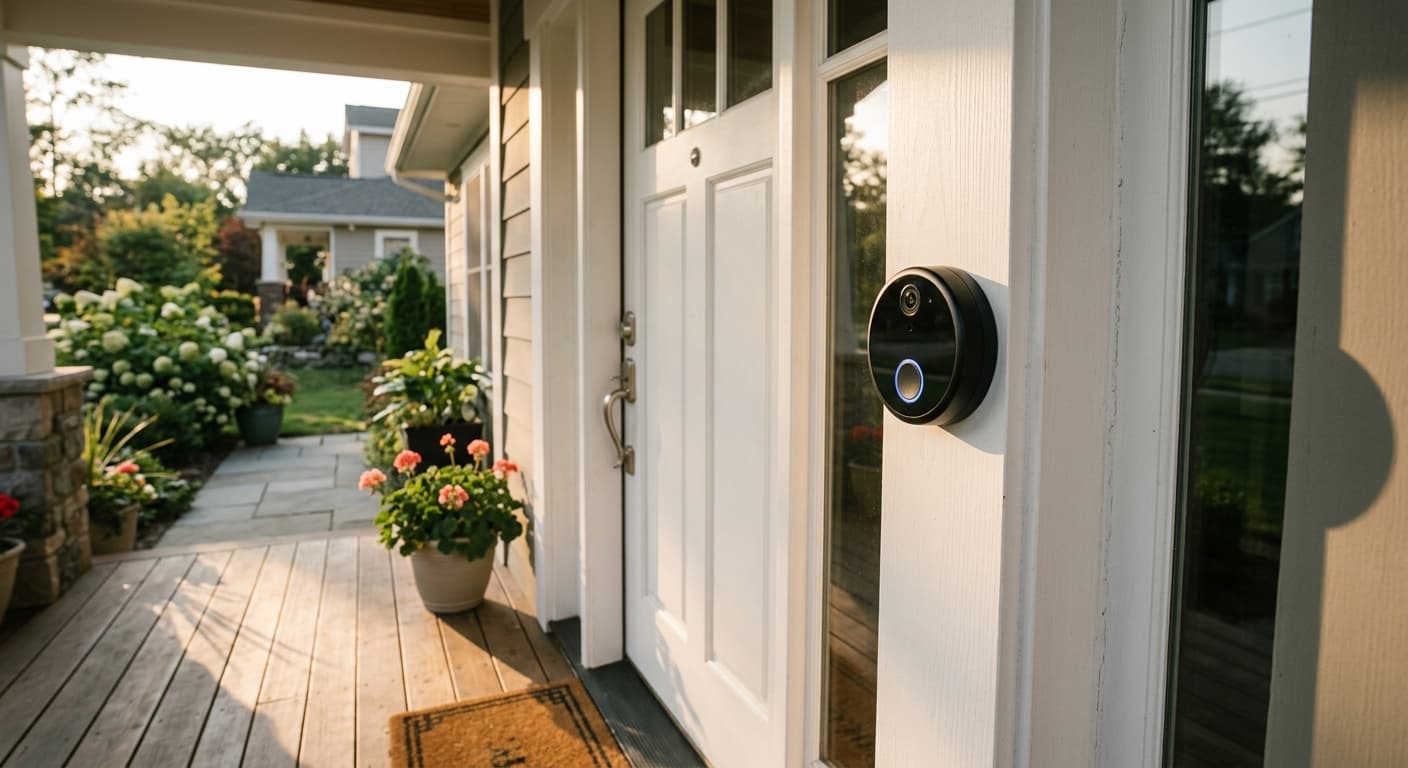
Ring doorbells have become a common sight on front porches across Wisconsin. These devices record video around the clock and capture audio through built-in microphones, raising questions about how they interact with Wisconsin's recording and privacy laws. The good news for Wisconsin homeowners is that the state follows a one-party consent rule for audio recording under Wis. Stat. 968.31. But video surveillance, neighbor privacy, and HOA restrictions add layers of complexity that every Ring owner in the state should understand.
Wisconsin Audio Recording Laws and Ring Doorbells
The primary legal concern with Ring doorbells in Wisconsin involves audio recording. Every Ring doorbell model includes a microphone that captures sound alongside video. This audio capability brings Wisconsin's wiretapping statute into play.
One-Party Consent Rule
Wisconsin follows a one-party consent framework under Wis. Stat. 968.31. The statute prohibits the intentional interception of wire, electronic, or oral communications. However, Wis. Stat. 968.31(2)(b) provides an exception when one party to the communication has given prior consent to the interception.
For Ring doorbell owners, this means the audio recording is legal when the homeowner participates in the conversation. When a visitor rings the doorbell and the homeowner answers through the Ring app, the homeowner is a party to that exchange. Their participation satisfies the one-party consent requirement under Wisconsin law.

When Audio Recording Raises Legal Concerns
The legal picture becomes less clear when the Ring doorbell records conversations the homeowner is not part of. If two people have a private conversation on the porch and the Ring device captures that audio, the homeowner has potentially intercepted a communication without the consent of any participant.
Wisconsin's statute defines "oral communication" as any communication uttered by a person exhibiting an expectation that the communication is not subject to interception, under circumstances justifying that expectation (Wis. Stat. 968.27(3)). A conversation on an open front porch, visible from the street, may not carry a reasonable expectation of privacy. No Wisconsin court has directly addressed this specific scenario with Ring doorbells, as of April 2026.
Practical Audio Compliance
Ring devices allow homeowners to disable audio recording through the app settings. Wisconsin residents who want to eliminate any legal gray area around eavesdropping can turn off the microphone. This preserves the video surveillance functionality while removing the wiretapping concern entirely.
Video Recording Laws in Wisconsin
Wisconsin takes a more permissive approach to video surveillance than to audio recording. The state's primary video surveillance law is Wis. Stat. 942.08, which addresses invasion of privacy through surveillance devices.
What the Statute Covers
Under Wis. Stat. 942.08, it is illegal to knowingly install a surveillance device in any private place, or use a surveillance device to observe in a private place, with the intent to observe any nude or partially nude person without that person's consent. The statute defines "private place" as a location where a person may reasonably expect to be safe from being observed without knowledge and consent.
A front porch, driveway, walkway, or the area in front of a home's entrance is not a "private place" under this definition. People approaching a front door in view of the street and neighboring properties do not have a reasonable expectation that they are unobserved. Ring doorbell cameras pointed at these areas operate within the boundaries of Wisconsin law.
Limits on Video Recording
While recording your own front door area is legal, pointing a Ring camera to capture areas where someone has a reasonable expectation of privacy creates legal risk. Recording through a neighbor's windows, into their bathroom, or into fenced-off private areas could violate Wis. Stat. 942.08. The statute classifies such violations as a Class A misdemeanor when committed with voyeuristic intent.
Positioning the Ring doorbell to capture your own entryway, porch, and driveway while avoiding direct views into neighbors' private spaces is both a legal safeguard and a best practice for Wisconsin residents.
HOA Rules and Ring Doorbells in Wisconsin
Homeowners associations and condominium associations in Wisconsin can set rules that affect Ring doorbell installation. Wisconsin governs condominiums under Wis. Stat. Chapter 703 and homeowners associations under Wis. Stat. 710.18.
What HOAs and Condo Associations Can Restrict
An association's declaration, bylaws, or rules and regulations may include provisions about exterior modifications, aesthetics, or electronic devices attached to the building exterior. If a Ring doorbell qualifies as an exterior modification under the governing documents, the homeowner or unit owner may need board approval before installation.
Condominium associations in Wisconsin have particular authority over common elements and limited common elements under Wis. Stat. Chapter 703. A front door or the area surrounding it may be classified as a limited common element in a condo, giving the association control over what can be attached to it.

How to Navigate Association Requirements
Before purchasing a Ring doorbell, Wisconsin residents living in an HOA or condo community should review their declaration, bylaws, and any rules regarding exterior modifications or security devices. Requesting written approval from the board before installation creates documentation that protects the homeowner if disputes arise.
Some Wisconsin associations have adopted specific security camera policies that permit doorbell cameras but impose restrictions on camera angle, size, or recording capabilities. Checking with the property management office provides the most current information on what is permitted.
Landlord and Tenant Rights in Wisconsin
Renters in Wisconsin face additional considerations when installing Ring doorbells. Wisconsin's landlord-tenant relationship is governed by Wis. Stat. Chapter 704 and the Wisconsin Administrative Code ATCP 134 (Residential Rental Practices).
Tenant Installation Rights
Wisconsin tenants generally need landlord permission before making alterations to the rental property. The Wisconsin Department of Agriculture, Trade and Consumer Protection (DATCP) Landlord-Tenant Guide notes that tenants should not make alterations or improvements without the landlord's written consent. A Ring doorbell that requires drilling into a door frame or exterior wall typically qualifies as an alteration.
Battery-powered Ring models that use adhesive mounting may present a lower barrier, but tenants should still check the lease agreement for clauses about exterior modifications, electronic devices, or security equipment. Getting written approval from the landlord before installation prevents disputes and protects the security deposit.
Landlord Obligations
Wisconsin landlords who install Ring doorbells on rental properties must comply with the same recording laws that apply to all residents. Landlords cannot use Ring doorbells to record tenants' private conversations without consent. Placing recording devices in areas where tenants have a reasonable expectation of privacy, such as inside the rental unit, would violate Wisconsin's invasion of privacy statute (Wis. Stat. 942.08).
Landlords who provide Ring doorbells as part of the property should disclose the device and its recording capabilities to tenants. Including this disclosure in the lease agreement helps both parties avoid legal disputes.
Law Enforcement Access to Ring Footage in Wisconsin
Law enforcement agencies in Wisconsin can obtain Ring doorbell footage through several legal pathways. Understanding these options helps Ring owners know their rights when police make a request.
Voluntary and Compelled Disclosure
Wisconsin police can ask a homeowner to voluntarily share Ring footage. The homeowner has the right to agree or decline this request. If the homeowner declines, law enforcement can pursue a search warrant or subpoena to obtain the footage.
Under the Fourth Amendment to the U.S. Constitution, a search warrant requires probable cause and approval from a judge or magistrate. Wisconsin's own statutory framework for electronic surveillance under Wis. Stat. 968.28 through 968.30 establishes procedures for law enforcement to intercept communications with proper judicial authorization.

Ring's Disclosure Policies
As of April 2026, Ring (owned by Amazon) requires a valid legal order before sharing customer footage with law enforcement. Ring previously allowed police departments to request footage directly from users through the Neighbors app, but the company ended that practice.
Ring maintains an exception for emergency situations. When law enforcement certifies that there is imminent danger of death or serious physical injury, Ring may provide footage without a warrant or the user's consent. Ring publishes transparency reports detailing the number of legal requests received each reporting period.
FTC Enforcement and Ring Privacy
The Federal Trade Commission took action against Ring LLC in May 2023 for failing to restrict employee and contractor access to customer videos and failing to implement adequate security protections. Ring agreed to pay $5.8 million in consumer refunds and was required to delete data derived from videos it had unlawfully reviewed. The FTC distributed payments to over 117,000 affected customers in 2024. Wisconsin Ring users should enable two-factor authentication and keep firmware updated to protect against unauthorized access.
Penalties for Illegal Recording in Wisconsin
Wisconsin imposes both criminal and civil penalties for recording violations. The severity depends on the specific offense.
Illegal Interception (Wis. Stat. 968.31)
Intentionally intercepting wire, electronic, or oral communications without proper consent is a Class H felony in Wisconsin. Penalties include up to 6 years in prison and a fine of up to $10,000. Equipment used in the violation may be seized as contraband and forfeited to the state.
Civil Liability for Interception
Beyond criminal penalties, any person whose communication is intercepted in violation of Wis. Stat. 968.31 through 968.37 has a civil cause of action. The victim can recover actual damages or liquidated damages of $100 per day of violation (with a minimum of $1,000), whichever is higher.
Invasion of Privacy (Wis. Stat. 942.08)
Using a surveillance device to observe someone in a private place without consent and with voyeuristic intent is a Class A misdemeanor in Wisconsin. This carries penalties of up to 9 months in jail and a fine of up to $10,000.
Recording Devices in Private Places
Installing a recording device in a private place without consent can also trigger liability under Wisconsin's broader privacy statutes. The Wisconsin Legislative Council's 2021 information memo on civil and criminal penalties for invasions of privacy outlines the full range of potential consequences, including both statutory damages and injunctive relief.
How to Use a Ring Doorbell Legally in Wisconsin
Following these guidelines helps Wisconsin residents stay within the law when using Ring doorbell cameras.
Position the Camera Appropriately
Point the Ring doorbell toward your own property: the front door, porch, walkway, and driveway. Avoid angling the camera to capture areas where neighbors have a reasonable expectation of privacy, such as through windows or into enclosed backyards.
Consider Disabling Audio Recording
Turning off the microphone through the Ring app eliminates the primary legal risk in Wisconsin. Video-only recording avoids triggering the wiretapping statute entirely and still provides meaningful security coverage.
Post a Notice of Recording
While Wisconsin does not require signage for residential security cameras, posting a visible notice near the Ring doorbell that audio and video recording is in progress can strengthen a legal defense. Visitors who see the notice and continue approaching have arguably consented to being recorded.
Review HOA, Condo, and Lease Terms
Check the governing documents before installing a Ring doorbell in a Wisconsin HOA or condominium community. Tenants should get written landlord approval before installation. Keep copies of all approvals and correspondence.
Understand Law Enforcement Requests
Wisconsin homeowners are not legally required to share Ring footage with police upon a verbal request. If police ask for footage, the homeowner can decline and request that they obtain a warrant. Cooperating is a personal choice, not a legal obligation, unless law enforcement presents a valid court order.
Enable Security Features
The FTC's 2023 action against Ring highlighted the importance of account security. Enable two-factor authentication, use a strong unique password, and keep the Ring app and device firmware updated. These steps help prevent unauthorized access to your footage.
More Wisconsin Laws
Wisconsin has additional laws that affect residents' daily lives. Here are related legal topics:
- Wisconsin Recording Laws cover all aspects of audio and video recording consent in the state.
- Wisconsin Hit and Run Laws explain the legal requirements after a traffic accident.
- Wisconsin Lemon Law protects consumers who purchase defective vehicles.
This article provides general legal information about Ring doorbell laws in Wisconsin, not legal advice. Laws and their interpretations can change. Consult an attorney licensed in Wisconsin for advice specific to your situation.
Sources and References
- Wis. Stat. 968.31 - Interception and Disclosure of Wire, Electronic or Oral Communications Prohibited(docs.legis.wisconsin.gov).gov
- Wis. Stat. 968.27 - Definitions (Wiretapping and Electronic Surveillance)(docs.legis.wisconsin.gov).gov
- Wis. Stat. 942.08 - Invasion of Privacy(docs.legis.wisconsin.gov).gov
- Wis. Stat. 939.50 - Classification of Felonies(docs.legis.wisconsin.gov).gov
- Wis. Stat. Chapter 703 - Condominiums(docs.legis.wisconsin.gov).gov
- Wis. Stat. 710.18 - Homeowners Associations(docs.legis.wisconsin.gov).gov
- Wisconsin DATCP Landlord-Tenant Guide(datcp.wi.gov).gov
- Civil and Criminal Penalties for Invasions of Privacy - Wisconsin Legislative Council (2021)(docs.legis.wisconsin.gov).gov
- FTC Says Ring Employees Illegally Surveilled Customers (May 2023)(ftc.gov).gov
- FTC Sends Refunds to Ring Customers (April 2024)(ftc.gov).gov