Utah Ring Doorbell Laws: What You Need to Know in 2026
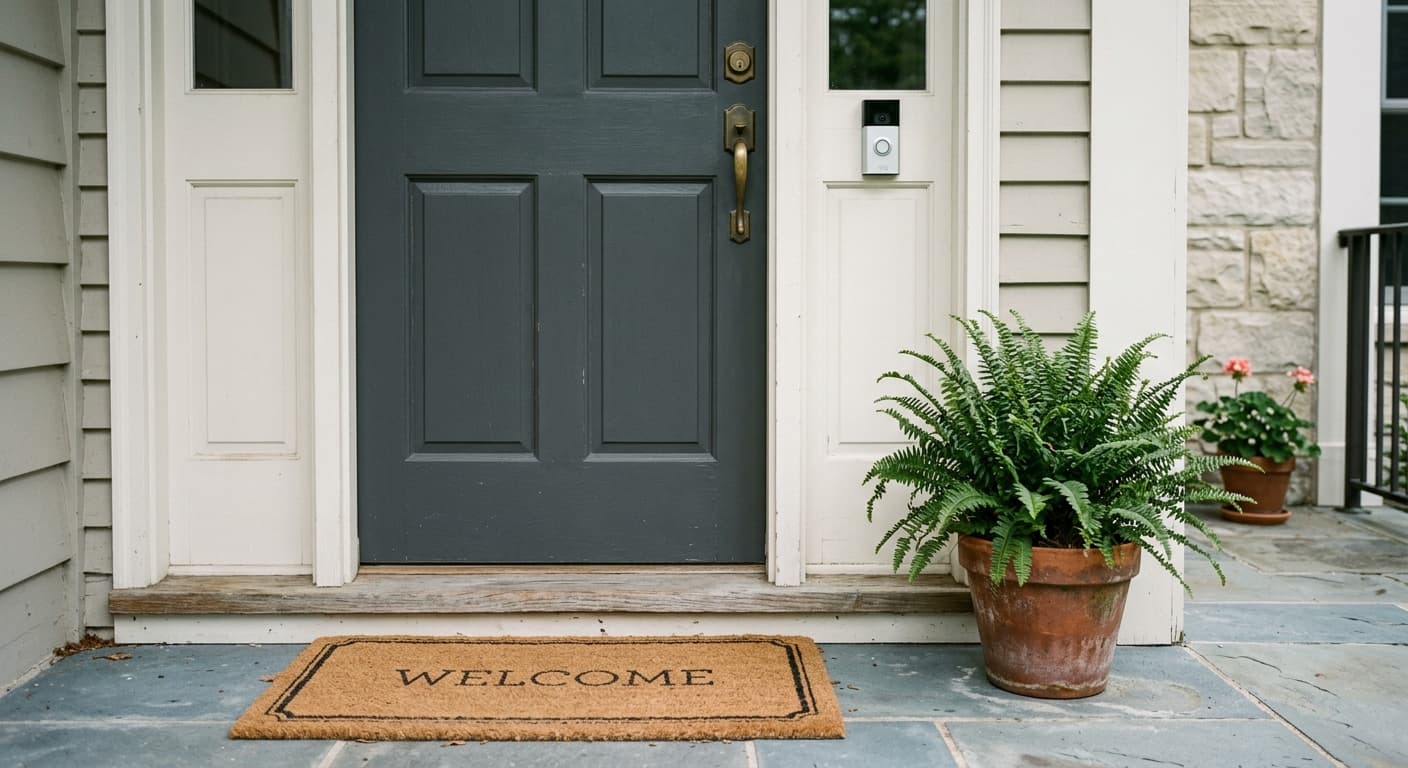
Ring doorbells record video and audio of activity at your front door. In Utah, the legality of those recordings depends on what the camera captures and whether you participate in recorded conversations. Utah follows one-party consent for audio recording, and the state has relatively permissive rules for outdoor video surveillance. Condominium owners also have statutory protection for installing cameras near their unit entryways.
This guide covers every relevant Utah statute, explains how Ring doorbell footage interacts with law enforcement access rules, and provides practical steps for legal compliance.
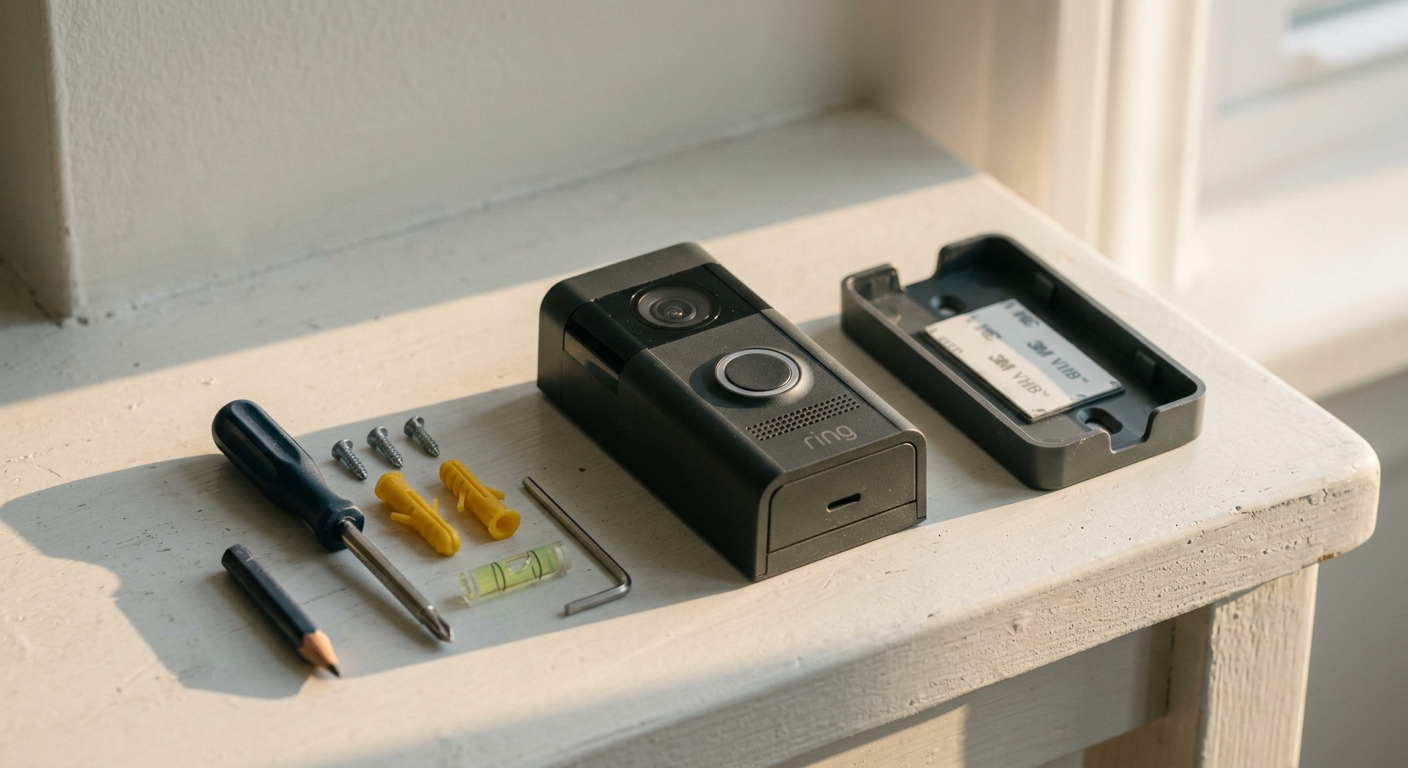
Audio Recording Laws and Ring Doorbells
Utah governs audio recording through the Interception of Communications Act, Utah Code 77-23a. The primary offense provision is Section 77-23a-4, which makes it illegal to intentionally intercept any wire, electronic, or oral communication.
One-Party Consent Standard
Utah follows one-party consent. Under Section 77-23a-4, a person may lawfully intercept a wire, electronic, or oral communication if that person is a party to the communication or if one of the parties has given prior consent to the interception. The interception cannot be for the purpose of committing a criminal or tortious act.
For Ring doorbell owners, this means audio recording is legal when you engage in a two-way conversation with someone at your door. Your participation as one party satisfies the consent requirement.
When Audio Recording Gets Risky
The one-party consent exception requires that a consenting party actually participate in the communication. If your Ring doorbell records a conversation between two visitors on your porch while you are not involved, no party to that conversation may have consented to the recording. Capturing that exchange could violate Section 77-23a-4.
The risk also extends to phone conversations. If your Ring microphone picks up someone's phone call near your doorbell, intercepting that wire communication without a participant's consent raises concerns under the same statute.
Managing Audio on Your Ring Device
As of April 2026, Ring devices allow users to disable audio recording through the app settings. Utah homeowners who rarely use the two-way talk feature can eliminate wiretapping exposure by turning off the microphone entirely.
Posting a visible notice near the doorbell stating that audio and video recording is in progress provides an additional layer of protection. While a posted sign does not automatically satisfy the consent requirement under Utah Code 77-23a-4, it weakens any claim that the recording was covert.
Video Recording Laws and Ring Doorbells
Utah does not have a general statute prohibiting outdoor video surveillance on residential property. Recording video from a Ring doorbell pointed at your own property, driveway, porch, or public areas is legal.
Privacy Violation: Utah Code 76-9-402
Utah Code 76-9-402 defines privacy violation as installing or using any device for observing, photographing, recording, amplifying, or broadcasting sounds or events in a private place without the consent of the person entitled to privacy there. The statute also covers trespassing on property with intent to subject anyone to eavesdropping or surveillance.
For Ring doorbell owners, this statute applies when a camera captures activity in areas where someone has a reasonable expectation of privacy. A standard Ring doorbell installation facing outward toward a porch, driveway, and street does not violate this provision.
Where the Line Falls
Utah courts use the reasonable expectation of privacy standard to evaluate surveillance complaints. A Ring doorbell that records:
- Your own porch, driveway, and walkway: Legal
- The public sidewalk and street: Legal
- A neighbor's front yard visible from public areas: Generally legal
- Through a neighbor's window into private rooms: Potentially illegal under Utah Code 76-9-402
Aiming your Ring doorbell to avoid capturing interior views of neighboring homes keeps you within safe legal boundaries.
Voyeurism Statute: Utah Code 76-9-702.7
Utah Code 76-9-702.7 addresses voyeurism offenses specifically. This statute prohibits using a concealed camera or electronic device to secretly record another person in a place where they have a reasonable expectation of privacy. While this applies more to hidden cameras than Ring doorbells, it reinforces the principle that recording in private areas without consent is illegal in Utah.
HOA and Ring Doorbells in Utah
Utah law provides some protection for security camera installation, particularly in condominiums.
Utah Code 57-8-8.1: Condominium Security Camera Protections
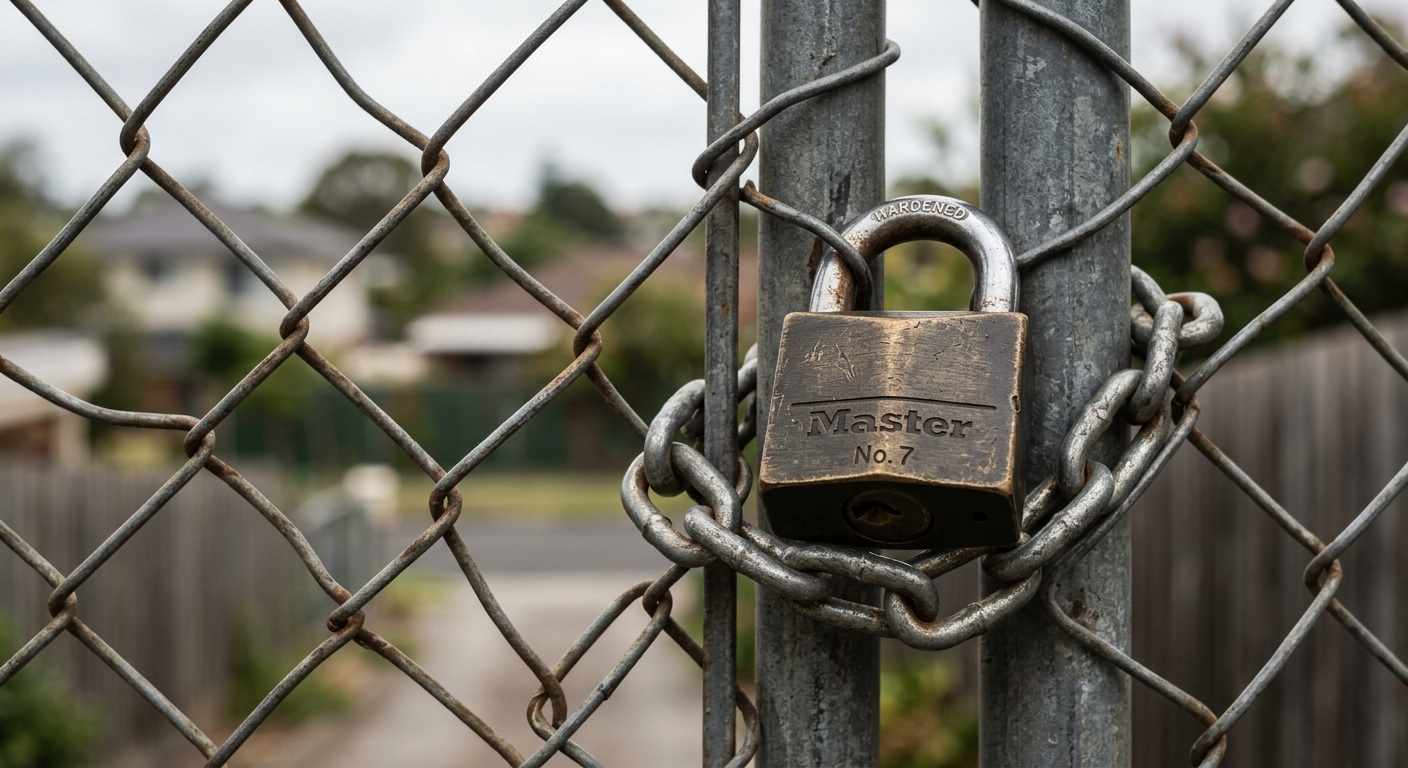
Utah Code 57-8-8.1 restricts the ability of condominium associations to ban personal security cameras. Under this statute, a condominium association rule may not prohibit a unit owner from installing a personal security camera immediately adjacent to the entryway, window, or other outside entry point of the owner's unit.
This directly protects Ring doorbell installation at condominium unit entryways. A Ring doorbell mounted next to a unit owner's front door falls squarely within this protected category.
What Condominium Associations Can Still Restrict
The same statute allows associations to prohibit cameras in common areas not physically connected to the owner's unit. An HOA can also establish reasonable rules about:
- Camera placement that captures common area facilities
- Installation methods that damage shared building structures
- Aesthetic requirements for visible devices
The key protection is that the association cannot prevent installation at or near the unit entryway itself.
Non-Condominium HOAs
For homeowners in planned communities governed by Utah Code Chapter 57-8a (Community Association Act), the rules depend on the association's CC&Rs and governing documents. Unlike the condominium statute, there is no explicit statutory protection preventing non-condominium HOAs from restricting doorbell cameras. Homeowners in these communities should review their CC&Rs and, if needed, request approval from the architectural review committee before installation.
Landlord and Tenant Rights
Utah's landlord-tenant law, the Utah Fit Premises Act (Utah Code 57-22), does not specifically address doorbell camera installation. General principles for property modifications apply.
Tenant Installation
Tenants in Utah who want to install a Ring doorbell should:
- Get written landlord approval before making any exterior modifications. Most Utah leases require consent for changes to the property.
- Agree to remove the device and restore the property when the lease ends.
- Ensure the camera angle does not capture areas beyond the tenant's leased space in ways that violate other tenants' privacy under Utah Code 76-9-402.
Landlord Obligations
Under Utah Code 57-22-4, landlords must maintain rental units in a condition fit for human habitation and keep common areas reasonably safe. While a Ring doorbell is not required, landlords who install them on rental property exteriors should:
- Disclose the camera's presence to tenants
- Ensure audio recording does not capture tenant conversations without proper one-party consent
- Refrain from pointing cameras at areas where tenants have a reasonable expectation of privacy
Lease Review
Check the lease agreement for provisions about exterior modifications, security devices, or surveillance equipment. If the lease is silent, requesting written permission from the landlord provides documentation that can prevent disputes.
Law Enforcement Access to Ring Footage
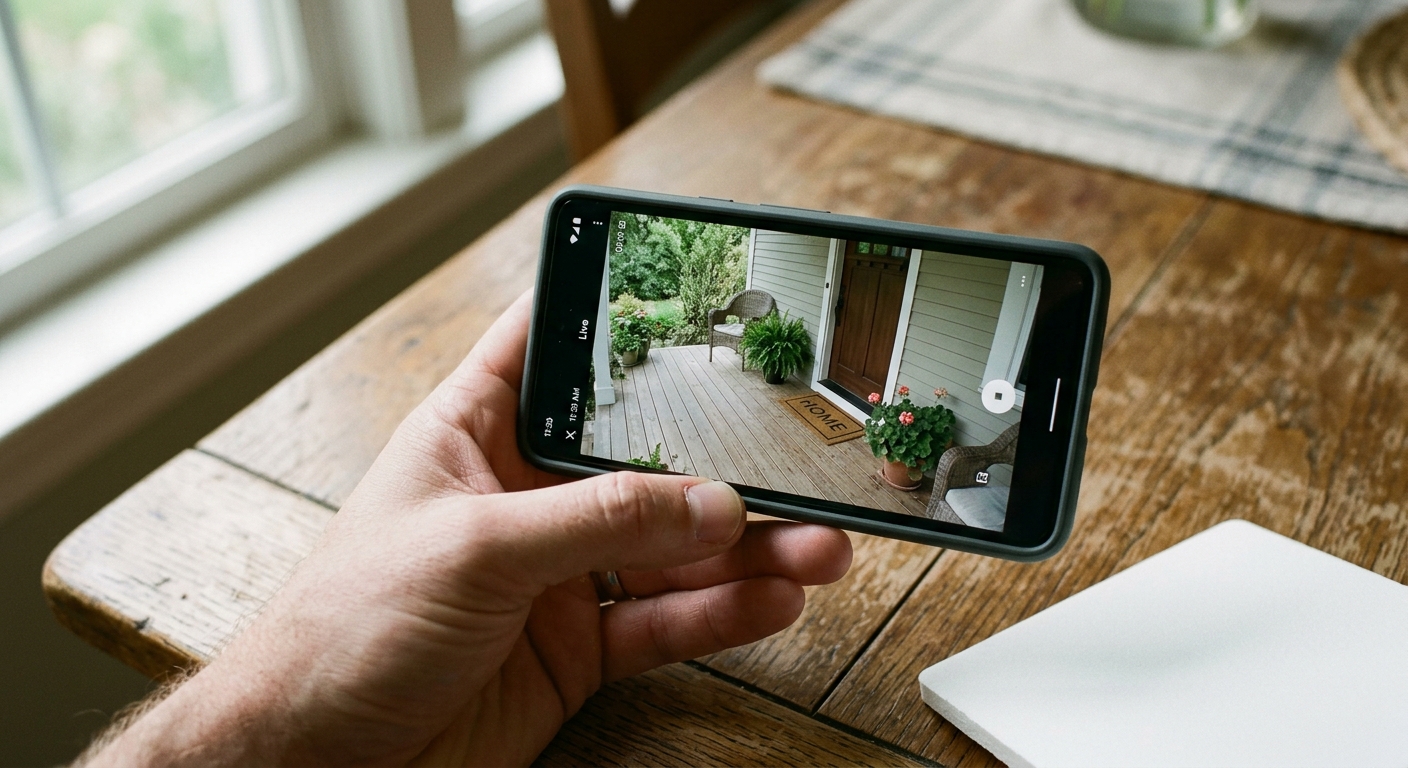
How police access Ring doorbell footage in Utah involves both federal and state protections, along with Amazon's corporate policies.
Utah's Electronic Information or Data Privacy Act
Utah passed the Electronic Information or Data Privacy Act in 2019, which requires law enforcement to obtain a warrant before accessing certain electronic communications. However, this protection has limits. Doorbell footage that a homeowner stores locally or shares voluntarily falls outside some of the act's protections.
Constitutional Protections
The Fourth Amendment and Article I, Section 14 of the Utah Constitution protect against unreasonable searches and seizures. Police in Utah generally need:
- A valid search warrant issued by a Utah court based on probable cause
- Homeowner consent to voluntarily share footage
- A court order or subpoena for records held by Amazon
Amazon Ring's Current Policy
As of 2024, Amazon discontinued the Request for Assistance feature that allowed police to request Ring footage through the Neighbors app. Law enforcement must now obtain footage through:
- A legally binding warrant or court order served to Amazon
- Direct requests to the homeowner, who can voluntarily share
- Emergency disclosure requests for imminent threats to life
Ring does not produce video content in response to subpoenas. A search warrant is typically required for actual footage.
End-to-End Encryption
Ring offers end-to-end encryption (E2EE) as an optional feature. When enabled, E2EE prevents anyone, including Ring and Amazon, from accessing your video recordings. This is the strongest protection available for Utah homeowners who want to ensure footage remains private unless they choose to share it.

Penalties for Illegal Recording in Utah
Violating Utah's recording and surveillance laws carries both criminal and civil consequences.
Criminal Penalties for Illegal Interception (Utah Code 77-23a-4)
Illegal interception of wire, oral, or electronic communications under Section 77-23a-4 is a third-degree felony in Utah. Penalties include:
| Penalty | Details |
|---|---|
| Prison | Up to 5 years in the Utah State Prison |
| Fine | Up to $5,000 |
| Civil liability | Victim can sue for damages |
Civil Remedies for Illegal Interception
Under Utah Code 77-23a-11, victims of illegal interception can bring a civil lawsuit. Available damages include:
- Actual damages suffered
- Any profits the violator made from the illegal interception
- Statutory damages of $100 per day of violation or $10,000, whichever is greater
- Reasonable attorney's fees and litigation costs
Privacy Violation Penalties (Utah Code 76-9-402)
A privacy violation under Section 76-9-402 is a class B misdemeanor for a first offense, carrying up to 6 months in jail and a fine of up to $1,000. Repeat offenses or aggravating circumstances may result in enhanced penalties.
Voyeurism Penalties (Utah Code 76-9-702.7)
Voyeurism offenses under Section 76-9-702.7 are classified as a class A misdemeanor for a first offense (up to 1 year in jail, up to $2,500 fine) and can be elevated to a third-degree felony for repeat offenses.
How to Use a Ring Doorbell Legally in Utah
Following these guidelines helps Utah residents stay within the bounds of state law.
1. Point the camera at your property and public areas. Focus the Ring doorbell on your porch, driveway, and walkway. Avoid angles that capture through neighbors' windows or into private interior spaces.
2. Consider your audio settings. One-party consent makes audio legal when you participate in conversations. If you rarely use two-way talk, disabling audio in the Ring app eliminates wiretapping concerns entirely.
3. Post a visible notice. A sign near your Ring doorbell stating "Audio and Video Recording in Progress" informs visitors and reduces the argument that recording was covert.
4. Know your condominium rights. Utah Code 57-8-8.1 protects your right to install a security camera near your unit entryway. If your condo association objects, reference this statute.
5. Review HOA or condo documents. For non-condominium communities, check your CC&Rs for camera restrictions and submit any required approval requests before installation.
6. Get landlord permission if renting. Obtain written approval and plan to remove the device at the end of the lease.
7. Secure your Ring account. Enable two-factor authentication, use a strong unique password, and consider enabling end-to-end encryption for maximum footage privacy.
8. Understand your rights with police. Sharing Ring footage with law enforcement is voluntary unless compelled by a warrant or court order. Utah's Electronic Information or Data Privacy Act provides some additional protections for electronic communications.
More Utah Laws
Utah has additional laws covering related topics that affect residents:
- Utah Recording Laws cover the full scope of audio and video recording rules across the state.
- Utah Hit and Run Laws explain reporting requirements and penalties for leaving the scene of an accident.
- Utah Lemon Law outlines protections for consumers who purchase defective vehicles.
This article provides general legal information about Utah Ring doorbell laws as of April 2026. Laws and their interpretations can change. Consult an attorney licensed in Utah for advice specific to your situation.
Sources and References
- Utah Code 77-23a - Interception of Communications Act(le.utah.gov).gov
- Utah Code 77-23a-4 - Offenses, Criminal and Civil, Lawful Interception(le.utah.gov).gov
- Utah Code 76-9-402 - Privacy Violation(le.utah.gov).gov
- Utah Code 76-9-702.7 - Voyeurism Offenses(le.utah.gov).gov
- Utah Code 57-8-8.1 - Condominium Association Security Camera Rules(le.utah.gov).gov
- Utah Code 57-22 - Utah Fit Premises Act(le.utah.gov).gov
- Utah Code 57-22-4 - Landlord Obligations(le.utah.gov).gov
- Utah Code 77-23a-11 - Civil Remedies for Illegal Interception(le.utah.gov).gov
- Utah Code 57-8a - Community Association Act(le.utah.gov).gov
- Ring Law Enforcement Information Requests(ring.com)
- FTC Settlement with Ring - Privacy and Security Violations(ftc.gov).gov