New York Ring Doorbell Laws: What You Need to Know in 2026
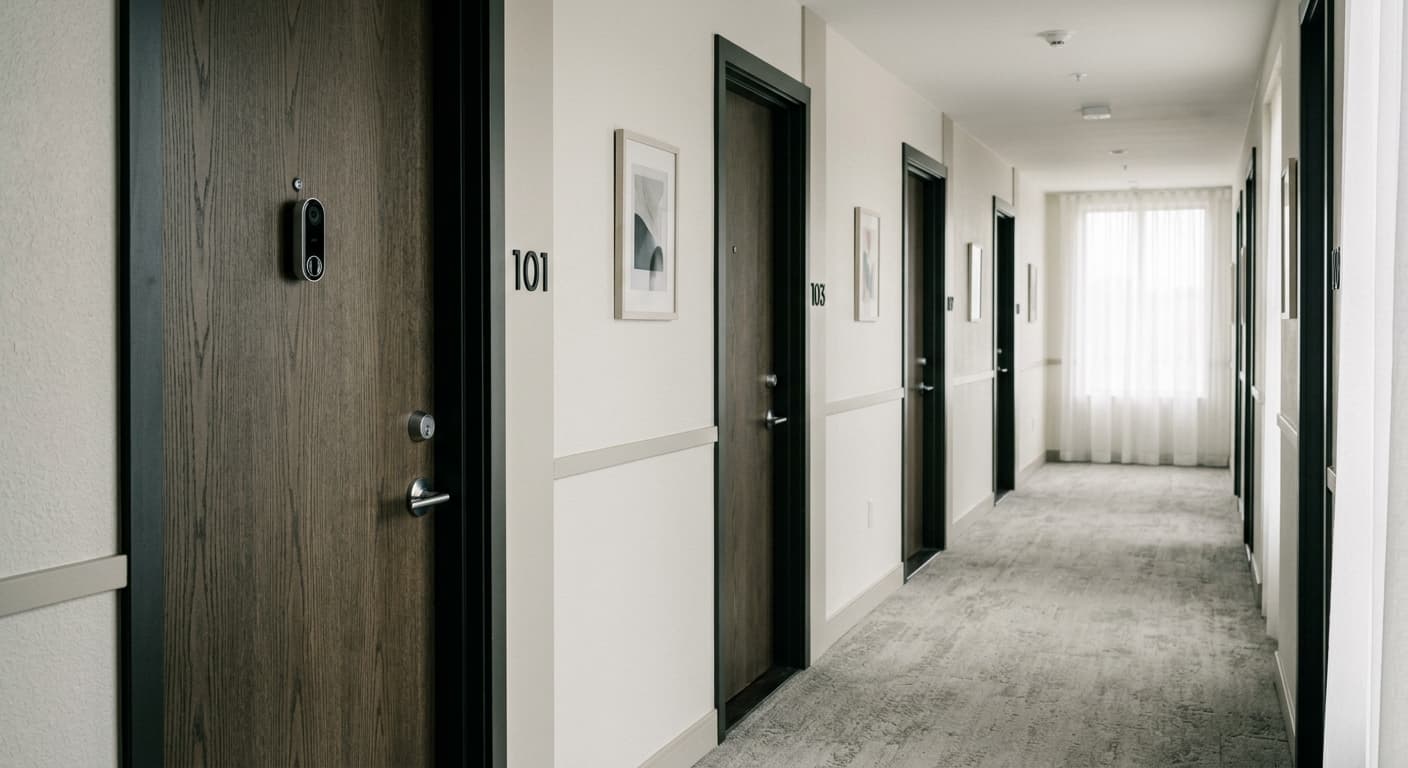
Ring doorbells record both video and audio of activity near your front door. In New York, the legality of that recording depends on consent rules for audio, where your camera points, and whether you live in a building governed by a co-op board or condo association. New York combines strong privacy protections in its Penal Law with unique tenant rules that affect millions of apartment dwellers, particularly in New York City.
The state's one-party consent framework allows Ring doorbell owners to record conversations they participate in. But pointing a Ring camera at the wrong place, or recording audio of conversations you are not part of, can trigger felony charges. NYC tenants face additional layers of regulation from co-op boards, condo associations, and lease provisions. This guide covers every relevant New York statute, explains how the rules differ for homeowners and apartment residents, and provides practical steps for legal compliance.
Audio Recording Laws and Ring Doorbells
New York's audio recording rules center on the definitions in Penal Law Article 250 and the one-party consent standard.
Penal Law 250.00: Key Definitions
Penal Law 250.00 defines "wiretapping" as the intentional overhearing or recording of a telephonic or telegraphic communication by a person other than a sender or receiver, without the consent of either the sender or receiver, by means of any instrument, device, or equipment.
The statute also defines "mechanical overhearing of a conversation" as the intentional overhearing or recording of a conversation or discussion, without the consent of at least one party thereto, by a person not present thereat, by means of any instrument, device, or equipment.
Both definitions establish one-party consent as the baseline. For wiretapping, consent from either the sender or receiver satisfies the law. For mechanical overhearing, consent from at least one party to the conversation is required.
One-Party Consent and Ring Doorbells
When you answer your Ring doorbell and speak with a visitor through the two-way talk feature, you are a participant in that conversation. Your consent as one party makes the audio recording legal under New York law.
The risk arises when your Ring doorbell records conversations between other people near your door while you are not participating. If two delivery workers have a private discussion on your porch and you are not part of that conversation, your Ring doorbell capturing that audio without any participant's consent could constitute eavesdropping under Penal Law 250.05.
Penal Law 250.05: Eavesdropping
A person is guilty of eavesdropping when they unlawfully engage in wiretapping, mechanical overhearing of a conversation, or intercepting or accessing an electronic communication. Eavesdropping is a Class E felony in New York.
For Ring doorbell owners, the "mechanical overhearing" definition is most relevant. If your device records a conversation between third parties without any participant's consent, and you are not present at the conversation, this statute could apply.
Practical Audio Considerations for Ring Owners
As of April 2026, Ring devices allow users to disable audio recording in the app settings. New York homeowners and tenants concerned about eavesdropping liability have two practical options:
- Disable audio recording entirely through the Ring app settings
- Post a visible notice near the doorbell informing visitors that audio and video recording is in progress
Posting a notice helps establish that visitors are aware of the recording, which can support an argument of implied consent. While New York courts have not specifically ruled on whether a posted notice satisfies the consent requirement for Ring doorbells, reducing any expectation of privacy strengthens the homeowner's legal position.

Video Recording Laws and Ring Doorbells
New York does not have a blanket statute prohibiting outdoor video surveillance. Video recording from a Ring doorbell pointed at public areas, sidewalks, and your own property is legal. However, the state's unlawful surveillance statutes set firm boundaries.
Penal Law 250.45: Unlawful Surveillance in the Second Degree
Penal Law 250.45 makes it a crime to use or install an imaging device to surreptitiously view, broadcast, or record a person in a place where they have a reasonable expectation of privacy. The statute specifically covers bedrooms, bathrooms, changing rooms, fitting rooms, and hotel rooms, creating a rebuttable presumption of improper purpose when an imaging device is installed in such locations.
The statute also prohibits using an imaging device to surreptitiously view under a person's clothing without their knowledge or consent.
Unlawful surveillance in the second degree is a Class E felony, punishable by up to 4 years in prison.
Penal Law 250.50: Unlawful Surveillance in the First Degree
Penal Law 250.50 elevates the offense to a Class D felony when the victim is under 16 years old or when the offender has a prior conviction for unlawful surveillance. A Class D felony carries up to 7 years in prison.
Pointing Your Camera: Key Boundaries
New York courts apply a "reasonable expectation of privacy" analysis. A Ring doorbell that captures:
- Your own porch, driveway, and walkway: Legal
- The public sidewalk and street: Legal
- A neighbor's front yard visible from the street: Generally legal
- Through a neighbor's window into private rooms: Potentially a Class E felony under Penal Law 250.45
- Another tenant's apartment entrance in a hallway: Subject to building rules and privacy limits
New York law changed in 2017 to strengthen protections against external cameras pointed into a neighbor's private areas. Positioning your Ring doorbell to avoid capturing interior views of neighboring homes or apartments is essential.
HOA, Co-op, and Condo Rules for Ring Doorbells
New York's housing landscape includes a large number of cooperatives (co-ops) and condominiums, particularly in New York City. These building structures add significant regulatory layers to Ring doorbell installation.
Co-op Board Authority
Co-op boards in New York have broad authority over building operations and resident behavior through proprietary leases and house rules. Most co-op boards require written approval before a shareholder installs any device in common areas, including Ring doorbells on apartment doors that face shared hallways.
Co-op boards can:
- Require board approval before installation
- Restrict camera angles to prevent recording of other residents' doors
- Set rules about audio recording in common areas
- Regulate the size, color, and placement of devices
- Ban doorbell cameras entirely from hallway-facing installations
Board decisions on these matters are typically protected under New York's business judgment rule, which shields officers and directors from liability for decisions made in good faith with reasonable skill and prudence.
Condominium Rules
Condominium bylaws typically prohibit unit owners from altering common elements without board approval. The exterior side of an apartment door is generally considered a common element in most New York condominiums. Installing a Ring doorbell on this surface without permission could violate the building's governing documents.
Condo boards can draft policies that:
- Permit or prohibit doorbell cameras
- Limit camera angles to cover only the owner's doorway and immediate area
- Restrict how long recorded footage can be stored
- Require that cameras not directly face another resident's unit
NYC-Specific Considerations
New York City does not have a municipal law specifically prohibiting residents from installing doorbell cameras in apartment building hallways. However, building-level rules (co-op proprietary leases, condo bylaws, and house rules) frequently address the issue. Before installing a Ring doorbell in any NYC multi-unit building, tenants and owners should:
- Review the proprietary lease (co-op) or bylaws (condo) for provisions on exterior modifications
- Check house rules for camera or surveillance device policies
- Submit a written request to the board if approval is required
- Confirm that the camera angle covers only the immediate area in front of the unit's door
Landlord and Tenant Rights
New York has strong tenant protections under the Real Property Law, and these protections intersect with Ring doorbell installation in several ways.
Tenant Installation Rights
Tenants in New York can typically install a Ring doorbell if they:
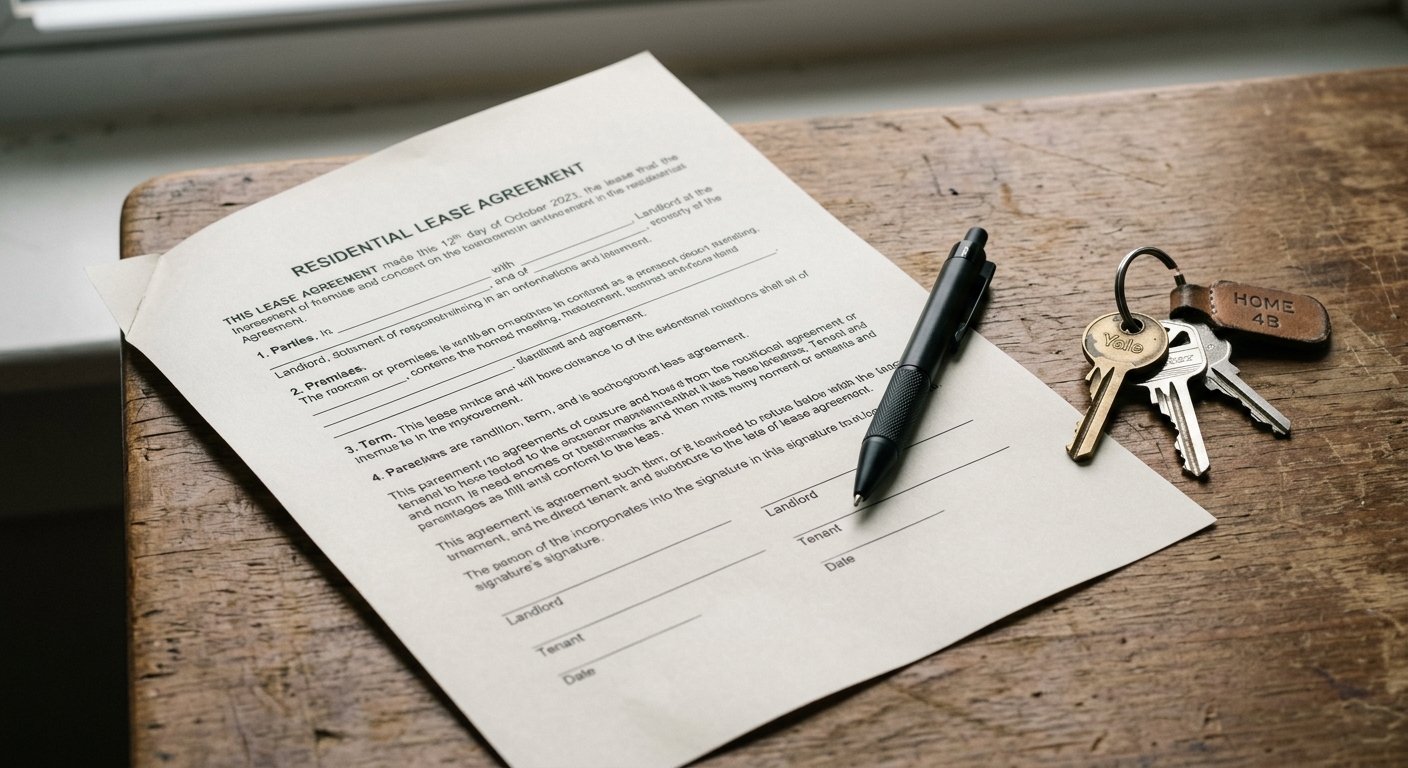
- Obtain written permission from the landlord before making modifications to the exterior of their unit
- Use damage-free adhesive mounts or attach to existing door hardware to avoid alterations to common areas
- Agree to restore the property to its original condition upon move-out
- Ensure the camera covers only their own doorway and immediate area, not other tenants' entrances
In multi-unit buildings, the landlord or management company may have policies governing surveillance devices. Many NYC landlords now include specific provisions about doorbell cameras in lease agreements.
Landlord Surveillance Obligations
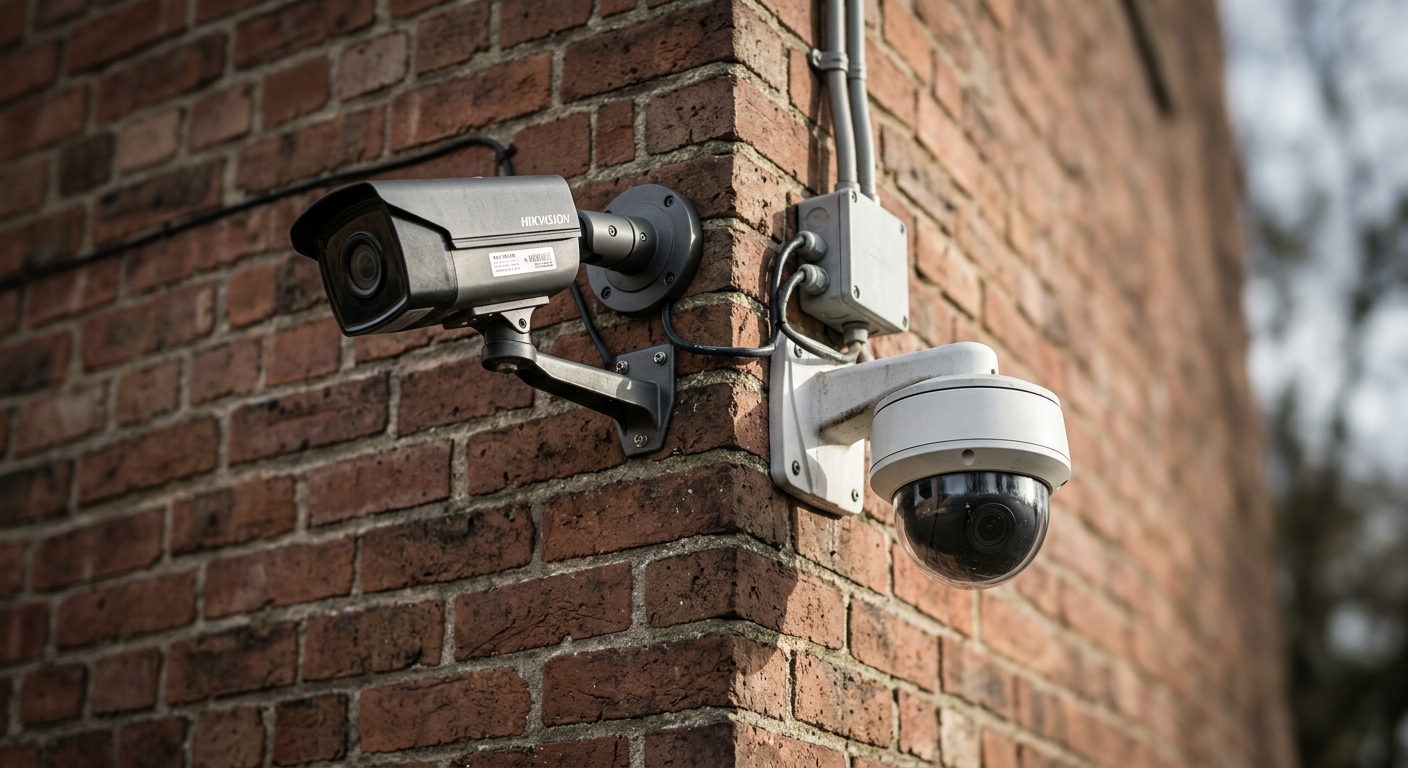
New York landlords can install security cameras in shared spaces like lobbies, hallways, and building entrances. Under Real Property Law 235-b (warranty of habitability), landlords have a duty to maintain premises that are safe and fit for habitation. Courts have interpreted this to include reasonable security measures.
However, landlord-installed cameras cannot be hidden or used to invade tenant privacy. Cameras may not point into rental units or capture areas where tenants have a reasonable expectation of privacy.
Landlord Entry and Ring Footage
New York law requires landlords to provide reasonable notice before entering a rental unit, except in emergencies. While the statute does not specify exact hours, courts have generally held that 24 hours constitutes reasonable notice. Ring doorbell footage can document whether a landlord provided proper notice before entry, which can serve as evidence in tenant-landlord disputes.
Law Enforcement Access to Ring Footage
How police access Ring doorbell footage in New York involves the Fourth Amendment, the New York Constitution, and Amazon's corporate policies.
Warrant Requirements
The Fourth Amendment protects against unreasonable searches and seizures. The New York Constitution, Article I, Section 12, provides independent privacy protections that New York courts have sometimes interpreted more broadly than the federal standard.
The U.S. Supreme Court's decision in Carpenter v. United States (2018) established that law enforcement needs a warrant to access certain types of digital records. While Carpenter addressed cell-site location data, legal scholars have argued its logic extends to persistent surveillance data like Ring doorbell footage.
Law enforcement seeking Ring footage generally needs:
- A valid search warrant issued by a New York court based on probable cause
- Homeowner consent to voluntarily share footage
- A subpoena or court order in certain circumstances
Amazon Ring's Policy
As of 2024, Amazon discontinued the "Request for Assistance" tool that allowed police to ask Ring users for footage through the Neighbors app. In 2025, Ring partnered with Axon to launch a "Community Requests" feature, allowing law enforcement to request camera footage from users who opt in. Participation remains voluntary.
Amazon can still disclose footage without user permission in emergency situations involving imminent danger of death or serious physical injury. The FTC's 2023 settlement with Ring required the company to strengthen its privacy protections after findings that employees had improperly accessed customer videos.
Ring Footage as Court Evidence
Ring doorbell footage is admissible as evidence in New York courts when properly authenticated. Under CPLR 4506, evidence obtained through illegal eavesdropping is inadmissible in court proceedings. This means that if Ring audio was captured in violation of Penal Law 250.05, it could be suppressed. Legally obtained Ring footage, however, is routinely admitted in both criminal and civil cases.
Penalties for Illegal Recording in New York
Violating New York's recording and surveillance laws carries serious consequences.
Criminal Penalties
| Offense | Classification | Penalty |
|---|---|---|
| Eavesdropping (Penal Law 250.05) | Class E felony | Up to 4 years in prison |
| Possession of eavesdropping devices (Penal Law 250.10) | Class E felony | Up to 4 years in prison |
| Unlawful surveillance, 2nd degree (Penal Law 250.45) | Class E felony | Up to 4 years in prison |
| Unlawful surveillance, 1st degree (Penal Law 250.50) | Class D felony | Up to 7 years in prison |
Civil Liability
Victims of illegal recording in New York can bring civil lawsuits seeking:
- Actual damages including emotional distress, lost wages, and reputational harm
- Punitive damages for willful or egregious violations
- Injunctive relief ordering the removal of illegally placed recording devices
- Attorney's fees and court costs
Under CPLR 4506, illegally obtained recordings are inadmissible in proceedings, except in cases brought against the person who committed the eavesdropping.
How to Use a Ring Doorbell Legally in New York
Following these guidelines helps New York residents operate Ring doorbells within the bounds of state law.
1. Position the camera carefully. Aim your Ring doorbell at your own property and public-facing areas. In apartment buildings, cover only your doorway and the immediate area in front of your unit. Never angle cameras toward another resident's entrance or through neighbors' windows.
2. Consider disabling audio. Turning off audio recording in the Ring app eliminates exposure to Penal Law 250.05 eavesdropping charges. This is the most conservative approach, especially in multi-unit buildings where conversations in hallways may carry a higher expectation of privacy.
3. Post a visible notice. A sign near your Ring doorbell stating "Audio and Video Recording in Progress" helps establish that visitors are aware of the recording. This supports an argument of implied consent.
4. Check your building rules. Co-op shareholders and condo owners should review proprietary leases, bylaws, and house rules. Submit board approval requests before installation. Tenants should check lease provisions and building policies.
5. Get landlord permission if renting. Tenants in multi-unit buildings should obtain written approval before installing any device on exterior surfaces or in common areas.
6. Secure your Ring account. Enable two-factor authentication, use a strong password, and review shared access regularly. The FTC's 2023 findings highlighted that weak security practices at Ring led to unauthorized access to users' footage.
7. Understand your rights with police. You are not legally required to share Ring footage with law enforcement without a warrant or court order. Sharing is voluntary unless compelled by legal process.
More New York Laws
New York has additional laws covering related topics that affect residents:
- New York Recording Laws cover the full scope of audio and video recording rules in the state.
- New York Hit and Run Laws explain reporting requirements and penalties for leaving the scene of an accident.
- New York Lemon Law outlines protections for consumers who purchase defective vehicles.
This article provides general legal information about New York Ring doorbell laws as of April 2026. Laws and their interpretations can change. Consult an attorney licensed in New York for advice specific to your situation.
Sources and References
- N.Y. Penal Law 250.00 - Eavesdropping; definitions(nysenate.gov).gov
- N.Y. Penal Law 250.05 - Eavesdropping(nysenate.gov).gov
- N.Y. Penal Law 250.45 - Unlawful surveillance in the second degree(nysenate.gov).gov
- N.Y. Penal Law 250.50 - Unlawful surveillance in the first degree(nysenate.gov).gov
- N.Y. Penal Law 250.10 - Possession of eavesdropping devices(nysenate.gov).gov
- N.Y. Real Property Law 235-b - Warranty of habitability(nysenate.gov).gov
- N.Y. CPLR 4506 - Eavesdropping evidence; admissibility(nysenate.gov).gov
- New York Constitution, Article I, Section 12(nysenate.gov).gov
- FTC - Ring employees illegally surveilled customers, failed to stop hackers(ftc.gov).gov
- FTC Blog - Ring lax practices led to privacy and security violations(ftc.gov).gov
- NPR - Ring will no longer allow police to request doorbell camera footage(npr.org)