New Jersey Ring Doorbell Laws: What You Need to Know in 2026
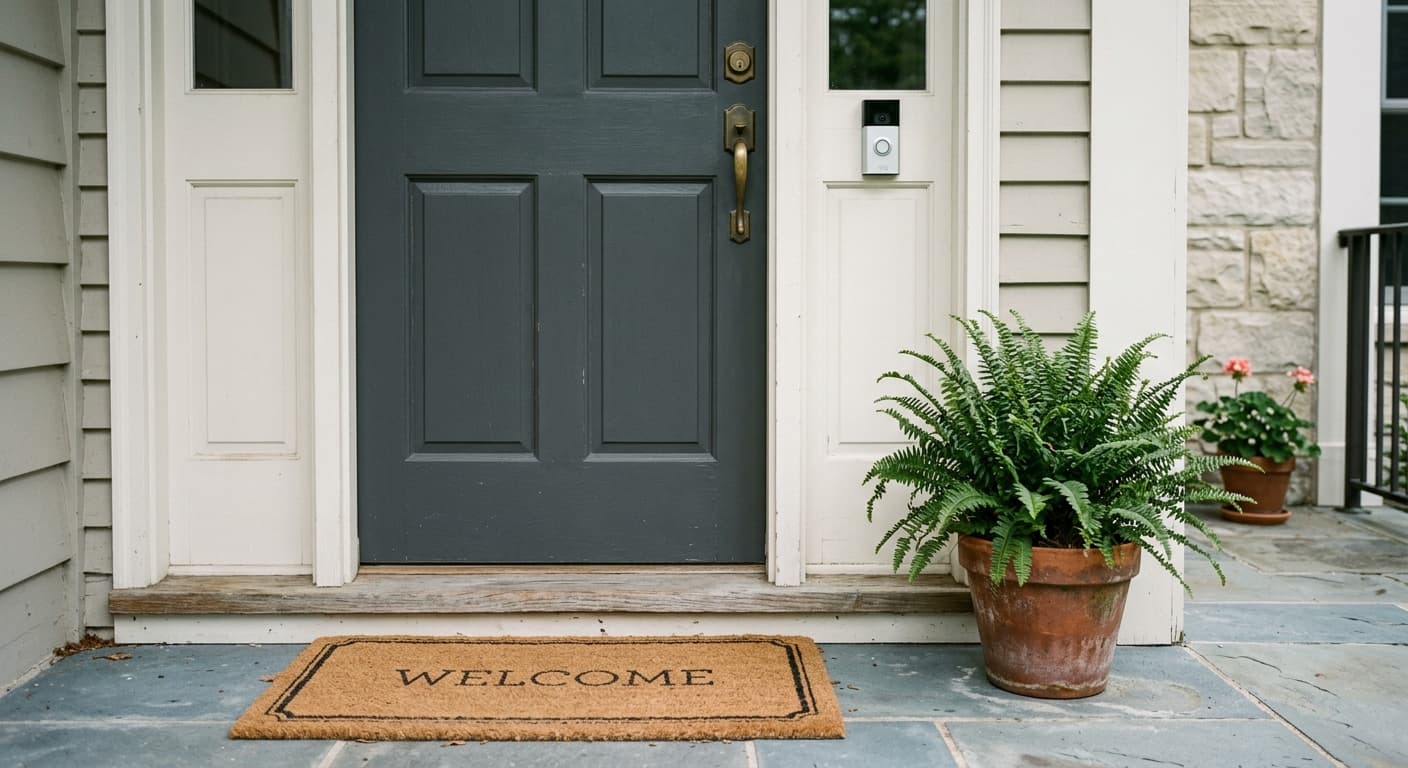
New Jersey's one-party consent law provides Ring doorbell owners with more legal flexibility than many neighboring states. Under the New Jersey Wiretapping and Electronic Surveillance Control Act (N.J.S.A. 2A:156A-1 et seq.), you can record a conversation you participate in without the other person's knowledge. Video surveillance of public-facing areas is broadly permitted.
That flexibility has limits. Recording audio of conversations between third parties, pointing your camera into a neighbor's private spaces, or capturing footage in areas where people have a reasonable expectation of privacy can trigger criminal charges. This guide covers every relevant New Jersey statute, the state's unique camera registry program, and practical steps for legal compliance.
Audio Recording Laws and Ring Doorbells
New Jersey's wiretapping statute governs all audio recording, including the microphone on Ring doorbell devices.
One-Party Consent: N.J.S.A. 2A:156A-4
N.J.S.A. 2A:156A-4 allows a person to intercept a wire, electronic, or oral communication where that person is a party to the communication or where one of the parties has given prior consent. This makes New Jersey a one-party consent state.
For Ring doorbell owners, this means:
- Two-way conversations: When you speak with a visitor through Ring's two-way talk feature, you are a party to the conversation. Your consent satisfies the statute, and the recording is legal.
- Conversations you are not part of: If your Ring doorbell captures a conversation between two people on your porch while you are not participating, neither party has consented. Recording that conversation could violate the wiretapping act.
The "Criminal or Tortious Act" Exception
New Jersey's one-party consent rule includes an important limitation. The recording cannot be made for the purpose of committing any criminal or tortious act. If someone uses Ring doorbell audio to blackmail, harass, or stalk another person, the one-party consent protection does not apply, and the recording becomes illegal.
Oral Communications and Expectation of Privacy
The wiretapping act protects "oral communications" made with a reasonable expectation of privacy. Conversations held in public spaces, where participants know they might be overheard, generally fall outside the statute's protection. A delivery driver speaking aloud on your porch in a voice audible to passersby likely has a diminished expectation of privacy.
However, a quiet conversation between two people standing close together on a private porch may carry a reasonable expectation of privacy, even outdoors. The analysis depends on the specific circumstances, including the volume of speech, the setting, and whether the speakers took steps to keep their conversation private.
Reducing Audio Risk
Ring doorbells record audio by default whenever they detect motion. New Jersey homeowners who want to minimize legal exposure can:
- Disable audio recording through the Ring app settings
- Post a visible sign near the doorbell indicating that audio and video recording is in progress
A posted notice helps undermine any claim that a conversation near the doorbell was made with a reasonable expectation of privacy.
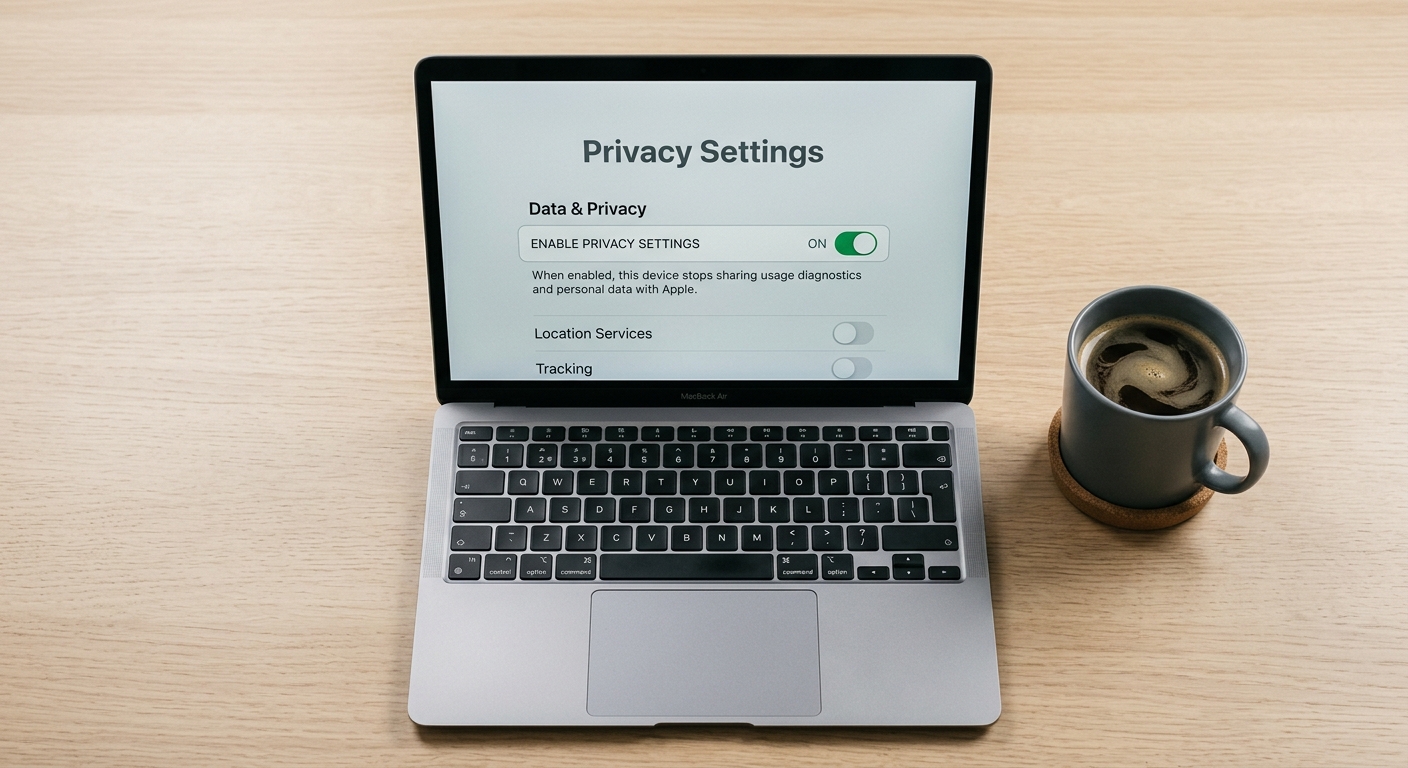
Video Recording Laws and Ring Doorbells
New Jersey permits video surveillance on your own property and of publicly visible areas. The restrictions focus on recording in places where people expect privacy.
N.J.S.A. 2C:14-9: Invasion of Privacy
N.J.S.A. 2C:14-9 addresses invasion of privacy through observation and recording. The statute makes it a crime to:
- Observe another person without consent in circumstances where a reasonable person would not expect to be observed (fourth-degree crime)
- Photograph, film, or record images of another person's intimate parts or someone engaged in private acts without consent (third-degree crime)
- Disclose such images without consent (third-degree crime)
For Ring doorbells, this statute becomes relevant if the camera captures views into areas where someone has a reasonable expectation of privacy. A camera pointed at a public sidewalk does not implicate the statute. A camera angled to capture through a neighbor's bedroom window could.
Where You Can Point Your Camera
Ring doorbells have a wide-angle lens that captures a broad field of view. Under New Jersey law, recording the following areas is generally permissible:
- Your own porch, entryway, and driveway: Legal
- The public sidewalk and street: Legal
- Common areas in multi-unit buildings (hallways, lobbies): Generally legal with proper notice
- A neighbor's front yard visible from the street: Generally legal
Recording into the following areas raises legal concerns:
- Through a neighbor's windows into private rooms: Potentially violates N.J.S.A. 2C:14-9
- Enclosed backyards shielded from public view: May implicate privacy expectations
- Bathrooms, bedrooms, or changing areas: Clearly prohibited
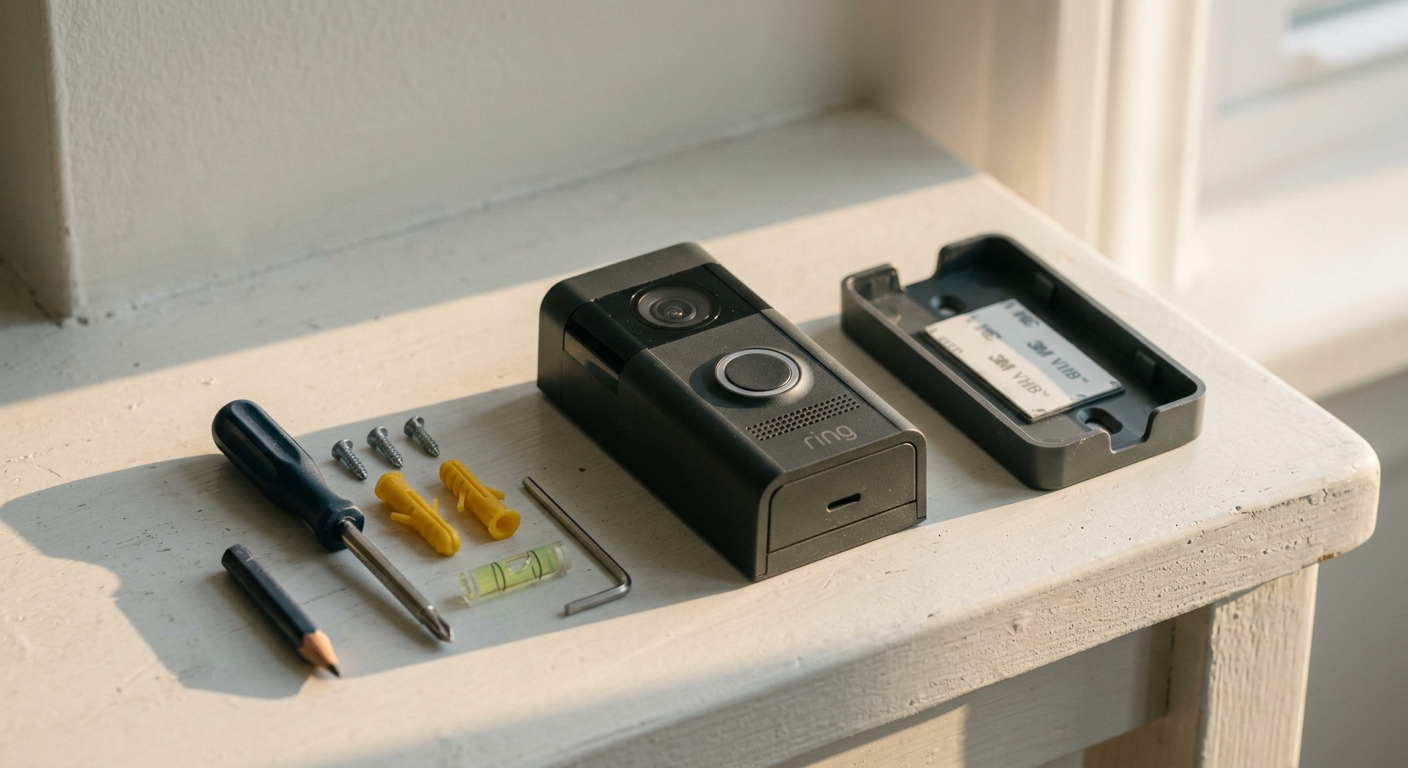
HOA and Ring Doorbells in New Jersey
New Jersey has two primary statutory frameworks governing community associations: the Condominium Act (N.J.S.A. 46:8B-1 et seq.) for condominiums and the Planned Real Estate Development Full Disclosure Act (N.J.S.A. 45:22A-21 et seq.) for planned communities.
HOA Authority Over Doorbell Cameras
Neither statute specifically addresses security cameras or doorbell cameras. However, condominium associations and HOAs derive authority to regulate exterior modifications from their governing documents, including:
- Master deeds and declarations that define permitted and restricted uses
- Bylaws that outline association governance and rule-making authority
- Architectural guidelines that control exterior appearance
Some New Jersey condominium associations have adopted rules that restrict or prohibit doorbell cameras, particularly in communities where units share common hallways or exterior walls. These restrictions typically fall under the association's authority to regulate exterior modifications and maintain aesthetic standards.
Working With Your Association
Homeowners in New Jersey HOA or condominium communities should:
- Review the master deed, bylaws, and any adopted rules before installing a Ring doorbell
- Submit an application to the architectural review committee if required
- Choose a device color and style that conforms to community standards
- Consider a wireless model that does not require drilling into common elements
- Position the camera to avoid capturing other residents' unit entrances or windows
Courts in New Jersey have generally upheld the right of associations to impose reasonable architectural restrictions, provided the restrictions serve a legitimate purpose and are applied consistently.
Landlord and Tenant Rights
New Jersey has strong tenant protection laws, but no specific statute addresses doorbell camera installation in rental properties.
Tenant Installation
Tenants in New Jersey who want to install a Ring doorbell should consider:
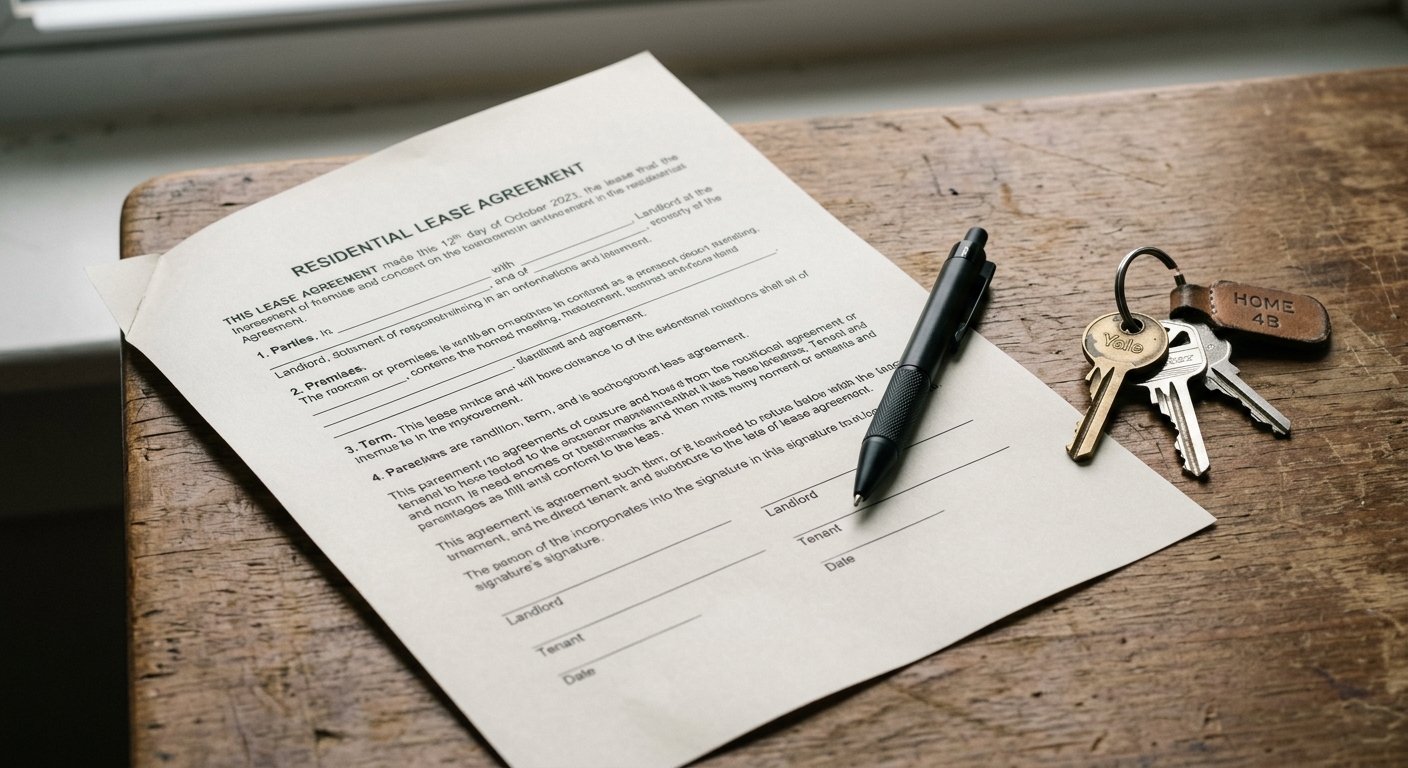
- Lease terms: Most leases prohibit exterior modifications without landlord approval. Installing a Ring doorbell that requires drilling could violate the lease.
- Wireless options: A wireless Ring doorbell that attaches without permanent modifications may be easier to get approved.
- Neighbor privacy: In multi-unit buildings, a tenant's Ring doorbell that captures other tenants' doors or windows could raise privacy concerns under N.J.S.A. 2C:14-9.
- Audio recording: Even in a one-party consent state, a Ring doorbell recording other tenants' conversations in common areas without anyone's consent could violate the wiretapping act.
Landlord Responsibilities
Landlords who install Ring doorbells or security cameras on rental property in New Jersey should:
- Disclose camera locations to tenants, particularly for cameras in or near common areas
- Avoid recording private areas where tenants have a reasonable expectation of privacy
- Disable audio in common areas to prevent capturing tenants' private conversations without consent
- Comply with N.J.S.A. 2A:156A by ensuring any audio recording involves at least one consenting party
New Jersey courts have recognized tenants' reasonable expectation of privacy inside their rental units. Landlords who install cameras that capture footage inside a tenant's home face potential criminal charges under both the wiretapping act and the invasion of privacy statute.
Law Enforcement Access to Ring Footage
New Jersey has a unique approach to private surveillance cameras and law enforcement, including a voluntary registry program.
N.J.S.A. 40:48-1.7: Camera Registry Program
New Jersey law authorizes municipalities to create voluntary private outdoor video surveillance camera registries under N.J.S.A. 40:48-1.7. Homeowners who register their Ring doorbell with their local police department make it easier for law enforcement to identify potential evidence sources during criminal investigations.
Key features of the registry program:
- Participation is voluntary. No homeowner is required to register a camera.
- Registration does not waive constitutional rights. The statute explicitly states that registration does not waive any rights under the U.S. or New Jersey constitutions.
- Footage sharing remains voluntary. Police may contact registered camera owners to request footage, but owners are not required to provide it unless compelled by a warrant or subpoena.
- Registry information is protected. The registry data is not a public record and can only be disclosed under a grand jury subpoena or court order.
Warrant Requirements
Beyond the registry program, law enforcement in New Jersey needs a warrant or court order to compel access to Ring footage from Amazon. The Fourth Amendment's protections apply, and New Jersey courts enforce warrant requirements for searches of private property and digital records.
Amazon Ring's Policy
Amazon discontinued its "Request for Assistance" tool in January 2024. As reported by NJ 101.5, New Jersey police departments can no longer request footage directly through the Ring Neighbors app. Law enforcement must now obtain footage through:
- A legally binding warrant or court order served to Amazon
- A direct, voluntary request to the homeowner
- Emergency disclosure requests for imminent threats, evaluated case-by-case by Amazon
Penalties for Illegal Recording in New Jersey
New Jersey imposes serious penalties for recording violations, with both criminal and civil consequences.
Criminal Penalties: Wiretapping Act
Under N.J.S.A. 2A:156A-3, illegal interception, disclosure, or use of wire, electronic, or oral communications is a crime of the third degree.
| Penalty | Details |
|---|---|
| Prison | 3 to 5 years in New Jersey State Prison |
| Fine | Up to $15,000 |
| Probation | May be available depending on circumstances |
Criminal Penalties: Invasion of Privacy
Under N.J.S.A. 2C:14-9:
- Observation violations: Fourth-degree crime (up to 18 months in prison)
- Recording violations: Third-degree crime (3 to 5 years in prison, fines up to $15,000)
- Disclosure violations: Third-degree crime (3 to 5 years in prison, fines up to $30,000)
Civil Damages: N.J.S.A. 2A:156A-24
N.J.S.A. 2A:156A-24 provides a private right of action for anyone whose communications are illegally intercepted. Recoverable damages include:
- Actual damages, with a minimum of $100 per day of violation or $1,000, whichever is higher
- Punitive damages at the court's discretion
- Attorney's fees and litigation costs
The per-day damages formula means a Ring doorbell that illegally records audio over weeks or months could generate significant civil liability for the owner.
How to Use a Ring Doorbell Legally in New Jersey
These steps help New Jersey residents operate Ring doorbells within state law.
1. Position the camera toward public areas. Aim your Ring doorbell at your porch, walkway, driveway, and the public sidewalk. Avoid angles that capture through neighbors' windows or into enclosed private spaces.
2. Keep audio enabled only if you participate in conversations. New Jersey's one-party consent law covers conversations you are part of. If your Ring doorbell captures conversations between third parties, you may be violating the wiretapping act. Disabling audio is the safest approach if the doorbell frequently records people talking on your porch.
3. Post a recording notice. A visible sign stating "Audio and Video Recording in Progress" reduces the expectation of privacy for anyone approaching your door. This does not override the wiretapping act's consent requirements, but it strengthens your legal position.
4. Consider the camera registry. If your municipality has established a private outdoor video surveillance camera registry under N.J.S.A. 40:48-1.7, registering your Ring doorbell can help law enforcement while preserving your constitutional rights.
5. Review HOA and condo rules. Check your governing documents for restrictions on exterior devices. Submit architectural review applications where required.
6. Get landlord approval. Tenants should obtain written permission before installing a Ring doorbell, particularly if installation requires drilling or other modifications.
7. Secure your account. The FTC's 2023 enforcement action against Ring revealed that weak account security allowed unauthorized access to customer footage. Enable two-factor authentication and use a unique, strong password.
More New Jersey Laws
New Jersey has additional laws covering related topics:
- New Jersey Recording Laws provide the full breakdown of the state's one-party consent wiretapping statute.
- New Jersey Hit and Run Laws explain the penalties for failing to stop after an accident.
- New Jersey Lemon Law covers consumer protections for defective vehicle purchases.
This article provides general legal information about New Jersey Ring doorbell laws as of April 2026. Laws and their interpretations can change. Consult an attorney licensed in New Jersey for advice specific to your situation.
Sources and References
- N.J.S.A. 2A:156A-4 - Lawful interception; one-party consent(lis.njleg.state.nj.us).gov
- N.J.S.A. 2A:156A-3 - Interception, disclosure, use of communications; violation(law.justia.com)
- N.J.S.A. 2A:156A-24 - Civil action for damages by persons whose communications are unlawfully intercepted(law.justia.com)
- N.J.S.A. 2C:14-9 - Invasion of privacy, degree of crime; defenses, privileges(law.justia.com)
- N.J.S.A. 40:48-1.7 - Private outdoor video surveillance camera registry(law.justia.com)
- N.J.S.A. 46:8B - New Jersey Condominium Act(nj.gov).gov
- FTC - Ring employees illegally surveilled customers, failed to stop hackers(ftc.gov).gov
- NJ 101.5 - Ring will no longer allow NJ police to request doorbell camera footage(nj1015.com)
- Reporters Committee for Freedom of the Press - New Jersey Recording Guide(rcfp.org)
- New Jersey Department of Community Affairs - Condominium Regulations(nj.gov).gov