Mississippi Ring Doorbell Laws: What You Need to Know in 2026
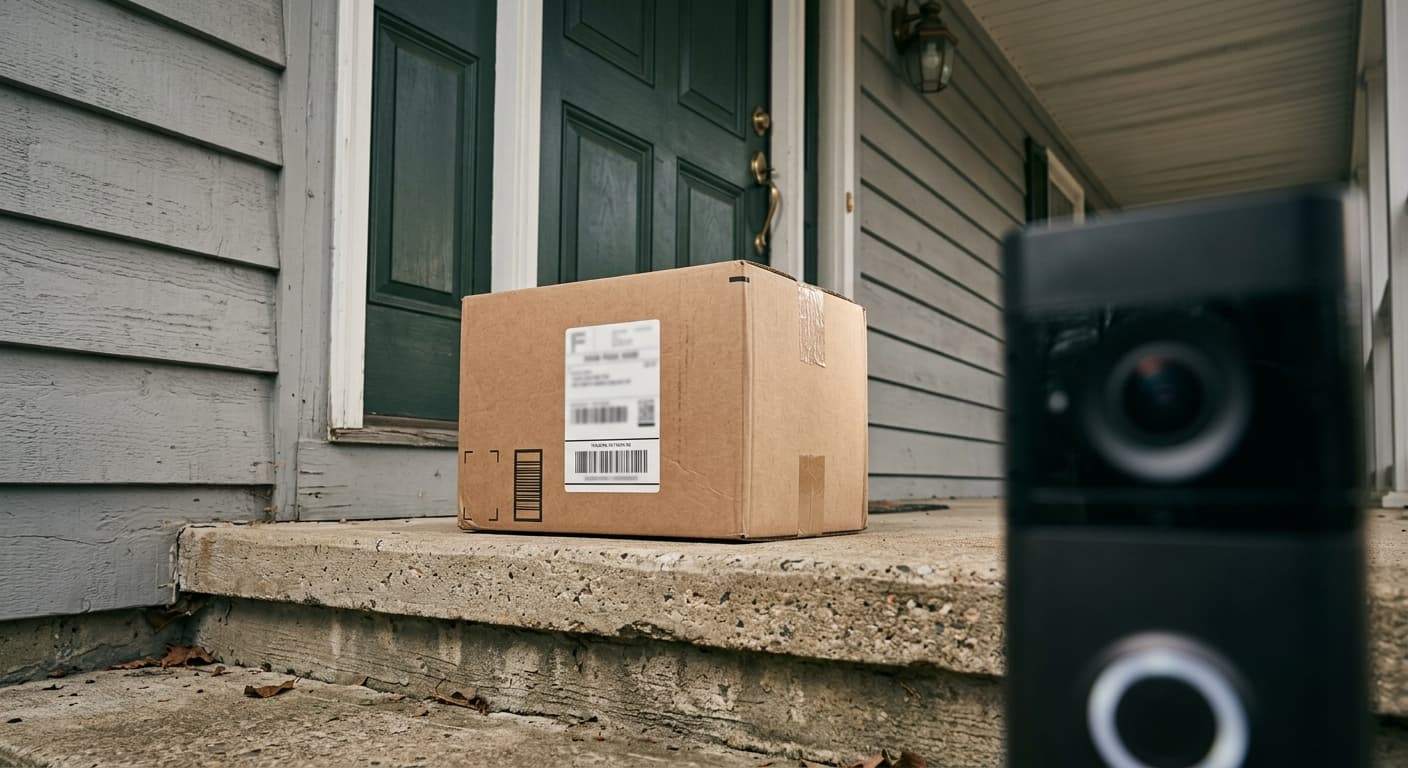
Mississippi permits Ring doorbell cameras on residential property under its one-party consent framework. The state's wiretapping laws (Miss. Code Ann. 41-29-501 through 41-29-537) govern audio recording, while the privacy statute at Miss. Code Ann. 97-29-63 addresses visual surveillance. Mississippi gained national attention in 2020 when Jackson police launched a pilot program to livestream private security camera footage, raising questions about doorbell camera privacy that remain relevant today.
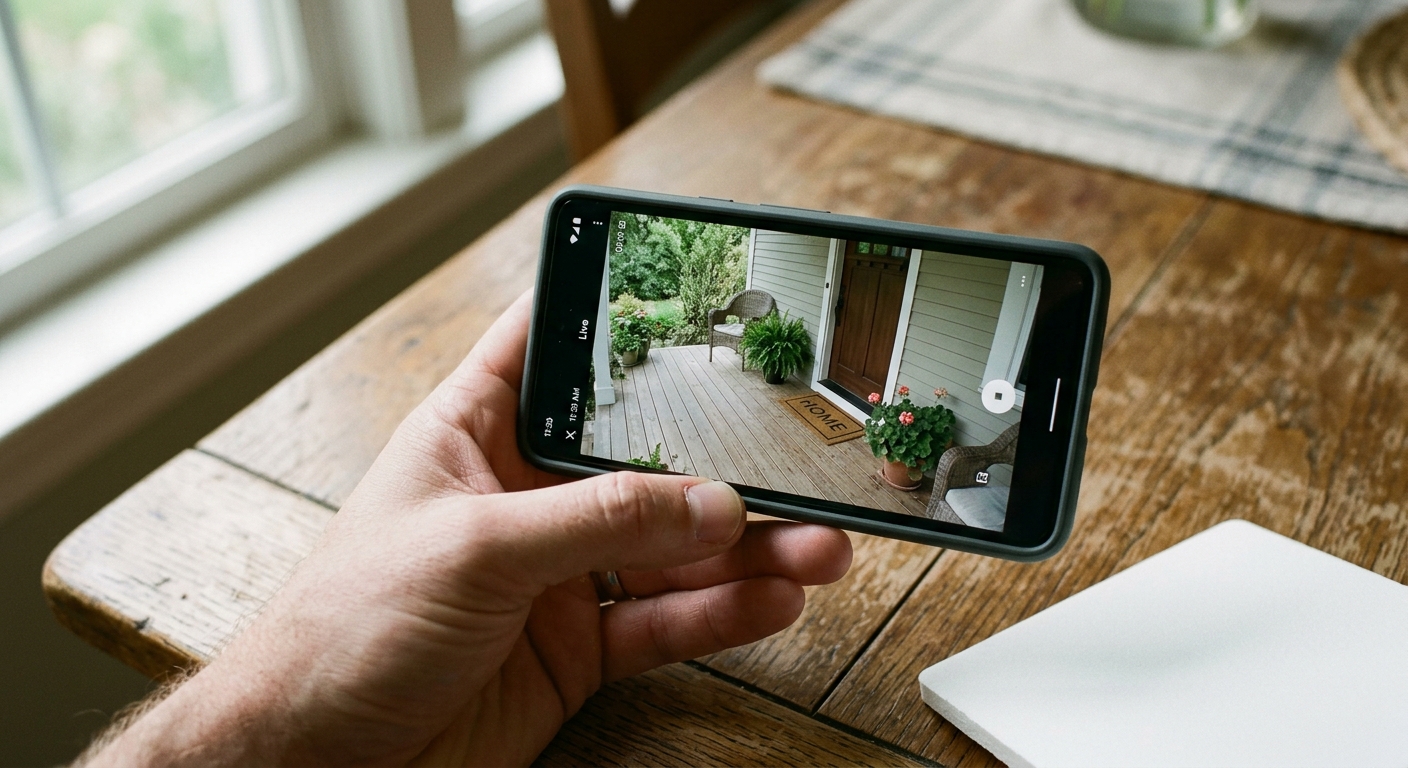
Mississippi Audio Recording Laws and Ring Doorbells
Mississippi's wiretapping and electronic surveillance laws are found in Title 41, Chapter 29, Article 7 of the Mississippi Code (Sections 41-29-501 through 41-29-537). These statutes govern the interception of wire, oral, and electronic communications.
One-Party Consent Rule
Under Miss. Code Ann. 41-29-531(e), it is not unlawful for a person to intercept a wire, oral, or other communication if that person is a party to the communication, or if one of the parties to the communication has given prior consent to the interception. This one-party consent exception applies to both phone calls and in-person conversations.
The exception has an important limitation: the recording cannot be made for the purpose of committing any criminal or tortious act, or for the purpose of committing any other injurious act. A recording made to harass, blackmail, or defame someone falls outside the protection of one-party consent.
How This Applies to Ring Doorbells
Ring doorbells with audio capabilities record conversations when motion is detected or someone presses the doorbell button. The key question under Mississippi law is whether the homeowner qualifies as a party to the recorded conversation.
When a visitor speaks directly to the homeowner through Ring's two-way talk feature, the homeowner is a party to that conversation and can record it under the one-party consent rule. Conversations between third parties on the homeowner's porch, where the homeowner is not participating, present a different analysis. Recording those exchanges without the knowledge of any participant could violate the wiretapping statute.
Posting a visible sign near the Ring doorbell indicating that audio and video recording is in progress serves as a practical safeguard. Visitors who see the notice and continue their conversation may be considered to have implicitly consented to the recording.
Video Recording Laws and Ring Doorbells in Mississippi
Mississippi does not have a comprehensive residential video surveillance statute. Video recording by Ring doorbells is primarily governed by the expectation of privacy analysis and Miss. Code Ann. 97-29-63, the state's voyeurism and privacy statute.
What 97-29-63 Prohibits
Miss. Code Ann. 97-29-63 makes it a felony to photograph, film, videotape, record, or otherwise reproduce the image of another person without their permission when that person is in a place where they would reasonably expect to be in a state of undress and have a reasonable expectation of privacy. This includes private dwellings, restrooms, bathrooms, shower rooms, tanning booths, locker rooms, fitting rooms, dressing rooms, and bedrooms.
The statute specifically targets recording done with "lewd, licentious or indecent intent," which means it is aimed at voyeuristic conduct rather than general security surveillance. However, a Ring doorbell positioned to capture footage through a neighbor's bedroom or bathroom window could potentially trigger this statute.
Ring Doorbells and Public Areas
A Ring doorbell mounted on a front door that captures footage of the homeowner's porch, walkway, driveway, and adjacent public sidewalks operates in areas where people have no reasonable expectation of privacy. Video recording of these areas is legal under Mississippi law.
The legal analysis shifts when the camera's field of view extends into spaces where people expect privacy. If your Ring doorbell captures footage through a neighbor's windows or into their fenced backyard, the recording could expose you to both criminal and civil liability.
Mississippi Common Law Privacy
Beyond the statutory framework, Mississippi courts recognize common-law privacy torts. The tort of intrusion upon seclusion applies when someone intentionally intrudes upon the solitude or seclusion of another in a manner that would be highly offensive to a reasonable person. A neighbor who can demonstrate that your Ring doorbell unreasonably monitors their private activities could bring a civil lawsuit under this theory.

HOA and Ring Doorbells in Mississippi
Mississippi does not have a state statute that specifically addresses HOA or condominium association authority over Ring doorbells or security cameras. The authority to regulate these devices comes from each association's governing documents.
Condominium Associations
Mississippi condo associations typically control common elements through their declarations and bylaws. In most condominiums, the building exterior, front doors, and hallways are classified as common elements. A Ring doorbell that mounts on or near the front door may require board approval if the association treats the installation as a modification to a common element.
Condo boards in Mississippi can adopt rules governing Ring doorbell use. Reasonable restrictions might include requiring written approval before installation, limiting the camera's viewing angle to the unit owner's entryway, prohibiting continuous recording of shared hallways, and requiring audio recording to be disabled in common areas.
Single-Family HOA Communities
HOAs in single-family home communities generally have more limited authority over Ring doorbells than condo associations. Most Mississippi HOAs regulate exterior modifications through architectural review committees. If the HOA's covenants do not specifically address security cameras or electronic devices, the association may lack the authority to prohibit Ring doorbells.
However, an HOA with broad architectural review provisions could require that Ring doorbells meet aesthetic standards or receive approval before installation. Mississippi courts generally enforce HOA restrictions that are reasonable, consistently applied, and authorized by the governing documents.

Landlord and Tenant Rights for Doorbell Cameras
Mississippi's landlord-tenant law, codified primarily in the Mississippi Residential Landlord and Tenant Act, does not specifically address Ring doorbells or security cameras. General principles of property law and lease terms govern both parties' rights.
Tenant Installation Rights
Mississippi tenants can generally install Ring doorbells inside their rental unit without landlord approval, provided the device does not cause property damage. Exterior installation is a different matter. Most lease agreements require landlord consent for any modifications to the building exterior, and a Ring doorbell mounted outside the front door typically qualifies.
Battery-powered Ring models that attach with adhesive or simple mounting brackets cause minimal damage. Tenants who use these models may face fewer objections from landlords, but checking the lease agreement before installation is still the safest approach.
Landlord Surveillance Rules
Mississippi landlords can install security cameras, including Ring doorbells, in common areas of rental properties such as parking lots, building entrances, and lobbies. Cameras cannot be placed inside a tenant's unit or aimed at areas where tenants have a reasonable expectation of privacy.
Audio recording in common areas raises wiretapping concerns. Since the landlord is not a party to tenant conversations in hallways or near building entrances, recording those conversations without any participant's consent could violate Miss. Code Ann. 41-29-531. Landlords who install Ring doorbells with audio in common areas should either disable audio recording or post clear signage.
Tenant Privacy Protections
Mississippi tenants have a right to quiet enjoyment of their rental property. A landlord who uses Ring doorbells to monitor tenant activity in ways that go beyond reasonable security concerns, such as tracking when tenants come and go or recording conversations near apartment doors, could face claims of invasion of privacy or breach of the implied covenant of quiet enjoyment.
Law Enforcement Access to Ring Footage in Mississippi
Mississippi has been at the center of the national debate over law enforcement access to private doorbell camera footage, largely due to the Jackson Police Department's 2020 pilot program.
The Jackson Surveillance Pilot Program
In late 2020, the Jackson City Council approved a 45-day pilot program that allowed police to livestream footage from participating residents' private security cameras, including Ring doorbells. The program operated through the Jackson Police Department's Real Time Crime Center, using technology provided by Pileum (a Jackson-based IT company) and Fusus (a Georgia-based cloud services company).
Residents who opted in signed a voluntary waiver allowing police to access their camera feeds whenever a crime was reported in their area. The ACLU and privacy advocates criticized the program, noting that non-participating residents could still appear in footage captured by their neighbors' cameras.
A Ring spokesperson stated that the Jackson pilot was not a Ring program and that the company was not working with the city on the initiative.
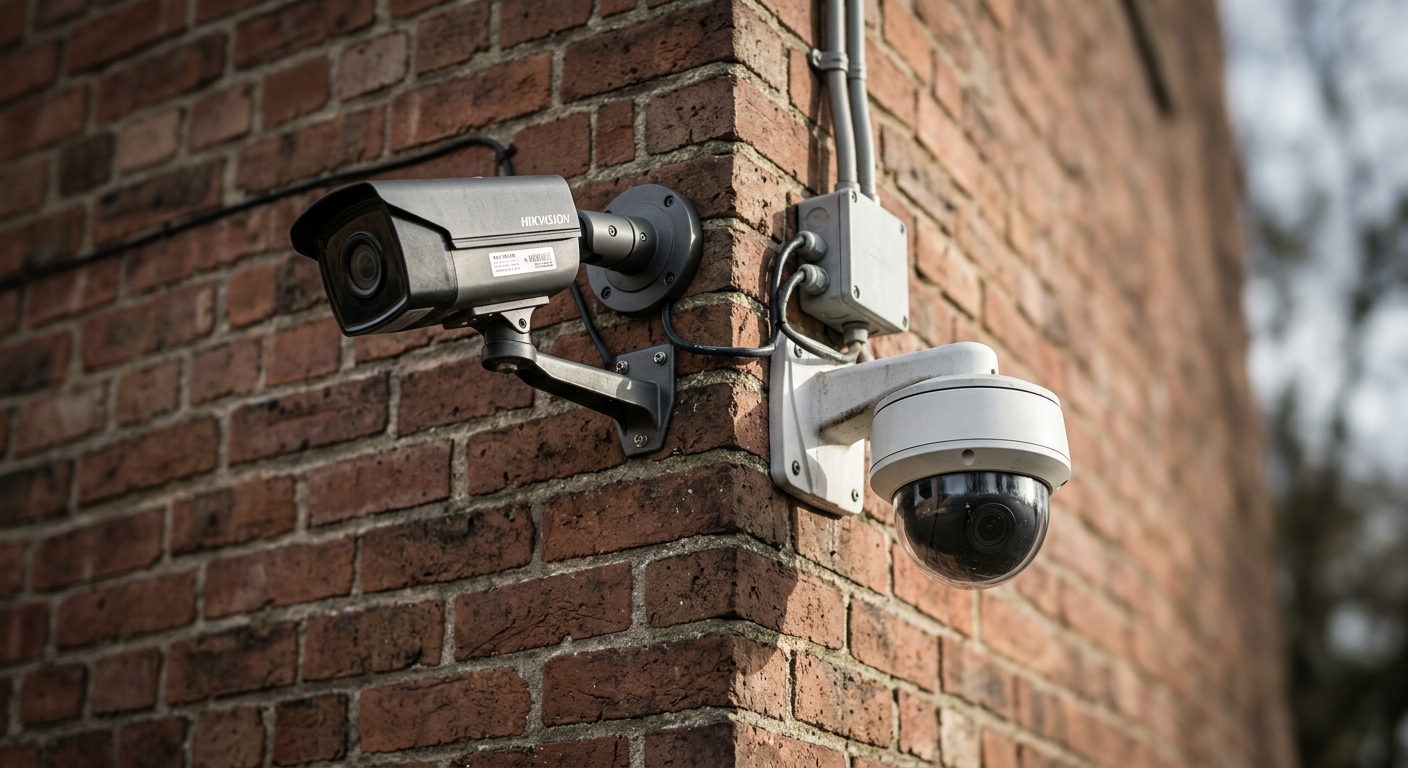
Current Access Methods
As of 2026, Mississippi law enforcement can obtain Ring doorbell footage through these primary channels:
-
Voluntary consent: A Ring owner can share footage with police at any time. This is entirely voluntary.
-
Search warrant or subpoena: Police can obtain a warrant or subpoena from a Mississippi court compelling Amazon to turn over Ring footage stored in the cloud.
-
Emergency exception: Under the federal Electronic Communications Privacy Act (ECPA), Amazon can share Ring footage without a warrant when there is an imminent threat of death or serious bodily injury.
Ring permanently discontinued its Request for Assistance feature in January 2024, ending the program that had allowed police to request footage from Ring users through the Neighbors app.
Penalties for Illegal Recording in Mississippi
Mississippi imposes criminal and civil penalties for illegal recording, though the criminal penalties are less severe than in many states.
Criminal Penalties
| Violation | Statute | Maximum Prison | Maximum Fine |
|---|---|---|---|
| Wiretapping/interception | Miss. Code Ann. 41-29-533 | 1 year | $10,000 |
| Unauthorized access to cellular communications | Miss. Code Ann. 41-29-533 | 6 months | $1,000 |
| Voyeurism/privacy filming (adult victim) | Miss. Code Ann. 97-29-63 | 5 years | $5,000 |
| Voyeurism/privacy filming (child under 16) | Miss. Code Ann. 97-29-63 | 10 years | $10,000 |
Civil Remedies
Under Miss. Code Ann. 41-29-529, any person whose wire, oral, or electronic communication is intercepted in violation of the wiretapping statute can bring a civil lawsuit. The court may award:
- Actual damages, with a minimum of $100 per day for each day of violation or $1,000, whichever is greater
- Punitive damages in appropriate cases
- Reasonable attorney's fees and litigation costs
A good faith reliance on a court order is a complete defense to both civil and criminal actions under the wiretapping statute.
How to Use a Ring Doorbell Legally in Mississippi
These guidelines can help Mississippi residents use Ring doorbells while staying within state law:
Post visible recording notices. Place a sign near your Ring doorbell indicating that audio and video recording is in progress. This helps establish implied consent and provides fair notice to visitors.
Aim the camera at your own property. Position your Ring doorbell to capture your porch, walkway, and driveway. Avoid camera angles that capture the interior of neighboring homes, fenced backyards, or other areas where people expect privacy.
Use two-way talk deliberately. When you speak to a visitor through Ring's two-way talk feature, you become a party to the conversation, which is clearly covered by one-party consent. Conversations between third parties on your porch present more legal ambiguity.
Consider disabling audio. If you prefer to avoid wiretapping concerns entirely, turn off audio recording in the Ring app settings. Video-only surveillance does not implicate Mississippi's wiretapping statute.
Check HOA and condo rules. Review your association's governing documents for restrictions on exterior modifications or security cameras before installing a Ring doorbell.
Get landlord approval. Tenants should review their lease and get written permission before installing a Ring doorbell on the exterior of a rental property.
Understand your rights with police. Sharing Ring footage with law enforcement is voluntary unless police present a valid warrant or subpoena. You have no obligation to participate in any voluntary surveillance program.
More Mississippi Laws
Explore other Mississippi legal topics covered on Recording Law:
This article provides general legal information about Ring doorbell laws in Mississippi. It is not legal advice. Laws and court interpretations change over time. Consult a Mississippi attorney for advice specific to your situation.
Sources and References
- Miss. Code Ann. 41-29-531 - One-Party Consent Exception(law.justia.com)
- Mississippi Interception of Wire or Oral Communications (Article 7)(law.justia.com)
- Miss. Code Ann. 97-29-63 - Privacy Filming Prohibition(womenslaw.org)
- Miss. Code Ann. 41-29-529 - Civil Action for Wiretapping Violations(law.justia.com)
- Mississippi Reporters Recording Guide(rcfp.org)
- ACLU of Mississippi - Right to Record(aclu-ms.org)
- Jackson Mississippi Police Real-Time Surveillance Pilot (NBC News)(nbcnews.com)
- Jackson Police Home Camera Pilot Program (StateScoop)(statescoop.com)
- FTC Action Against Ring for Privacy Violations(ftc.gov).gov
- Ring Ends Law Enforcement Request Feature (NPR)(npr.org)
- Mississippi Court of Appeals - Privacy Recording Case(courts.ms.gov).gov