Maryland Ring Doorbell Laws: What You Need to Know in 2026
Maryland is an all-party consent state, and that makes Ring doorbell ownership legally complicated. Under Md. Code, Cts. & Jud. Proc. section 10-402, recording any oral, wire, or electronic communication without the consent of every participant is a felony carrying up to 5 years in prison and a $10,000 fine. This applies to the audio captured by Ring doorbells.
The video component of a Ring doorbell is subject to different rules. Video surveillance of outdoor areas is generally legal in Maryland, but the audio recording function creates significant criminal exposure for homeowners who leave it enabled. As of April 2026, Maryland lawmakers are actively working to reform this law, but the all-party consent requirement remains in effect.
Audio Recording Laws and Ring Doorbells in Maryland
Maryland's wiretapping statute, Md. Code, Cts. & Jud. Proc. section 10-402, is one of the strictest in the country. The law makes it unlawful to willfully intercept, endeavor to intercept, or procure any other person to intercept any wire, oral, or electronic communication without the consent of all parties.
What All-Party Consent Means for Ring Doorbells
A Ring doorbell with audio recording enabled captures every conversation that occurs within its microphone range. When two visitors talk on your porch, when a delivery driver speaks to a neighbor, or when a family walks past your door, the Ring records their voices without their knowledge or consent.
Under the current Maryland statute, each of these recordings potentially constitutes a separate felony. The law does not distinguish between intentional eavesdropping and passive recording by a security device. The act of intercepting the communication, regardless of motive, triggers the statute.
Criminal Penalties for Audio Recording Violations
Violating Md. Code, Cts. & Jud. Proc. section 10-402 is a felony. A conviction carries up to 5 years in state prison, a fine of up to $10,000, or both. Maryland courts have consistently held that the statute applies to all forms of unauthorized audio interception, including recordings made by security devices.
Civil Liability Under Section 10-410
Beyond criminal penalties, victims of illegal recording can pursue civil claims under Md. Code, Cts. & Jud. Proc. section 10-410. A successful plaintiff can recover the greater of actual damages, $100 per day of violation, or $1,000. The court may also award punitive damages, attorney fees, and litigation costs.
For repeat offenders or those previously found liable in a civil action, Maryland imposes a mandatory civil fine of not less than $500 per incident.
The Legislative Push to Reform Maryland's Wiretapping Law
Maryland lawmakers have recognized that the current wiretapping statute was written decades before Ring doorbells and modern security cameras existed. Several reform efforts are underway as of 2026.
SB 61 (2025 Session)
Senate Bill 61, introduced in January 2025, proposed two new exceptions to the all-party consent requirement. The first would have allowed recording audio in public places when the speaker should reasonably anticipate being overheard. The second would have permitted security cameras installed on property owned, leased, or lawfully controlled by the recording party to capture audio on that property.
SB 61 died in committee in April 2025 without receiving a vote. Despite its failure, the bill established the framework that subsequent reform efforts have built upon.
SB 661 and HB 802 (2026 Session)
The current legislative session includes SB 661 and HB 802, companion bills that would allow intercepted communications to be received as evidence in criminal proceedings under certain circumstances. These bills focus on the evidentiary side of the problem: even when a Ring doorbell captures audio of a crime, the audio portion is currently inadmissible in Maryland courts because it was obtained in violation of the wiretapping statute.
As of April 2026, these bills are still working through the legislative process. Ring doorbell owners in Maryland should monitor these bills closely, as their passage could significantly change the legal landscape for home security audio recording.
Why Reform Matters for Ring Owners
Under current law, a Ring doorbell that captures audio of someone committing a crime on your property creates an awkward legal situation. The video footage is admissible in court, but the audio is not. The homeowner who provided the footage to police could theoretically face felony charges for making the audio recording in the first place, though prosecutions of homeowners for security camera audio have been rare.
Video Recording Laws and Ring Doorbells
Maryland treats video recording differently from audio. No state statute requires consent for video-only surveillance in areas where people lack a reasonable expectation of privacy.
Where Video Recording Is Permitted
Property owners in Maryland can install video surveillance cameras, including Ring doorbells, on their own property. The camera can legally record outdoor areas like porches, driveways, sidewalks, and front yards. These are considered public-facing areas where people do not have a reasonable expectation of privacy.
A property owner has no legal duty to disclose that video recording is taking place in these outdoor areas.
Visual Surveillance Restrictions
Md. Code, Crim. Law section 3-901 prohibits conducting visual surveillance of a person in a private place without that person's consent. A "private place" includes locations where an individual can reasonably expect to be safe from being observed, such as bathrooms, bedrooms, and changing areas.
Md. Code, Crim. Law section 3-902 adds additional penalties when visual surveillance is conducted with prurient intent. This offense is a misdemeanor carrying up to 1 year in jail and a $2,500 fine.
For Ring doorbell owners, this means the camera cannot be positioned to record inside a neighbor's home through windows or to capture areas where people have a reasonable expectation of privacy.
HOA Rules and Ring Doorbells in Maryland
Maryland's Homeowners Association Act (Md. Code, Real Prop. Title 11B) governs HOA authority. While the Act does not specifically address security cameras, HOAs retain broad power to regulate exterior modifications through their CC&Rs and architectural guidelines.
HOA Approval Requirements
Most Maryland HOAs classify Ring doorbell installation as an architectural modification requiring prior approval from an architectural review committee. Common grounds for denial include aesthetic concerns, camera placement that records common areas, and potential privacy impacts on neighboring units.
Maryland HOA law prohibits associations from adopting certain types of restrictions, but security camera regulations are generally considered a valid exercise of HOA authority. Review your community's governing documents before installing a Ring doorbell.
Condominium Considerations
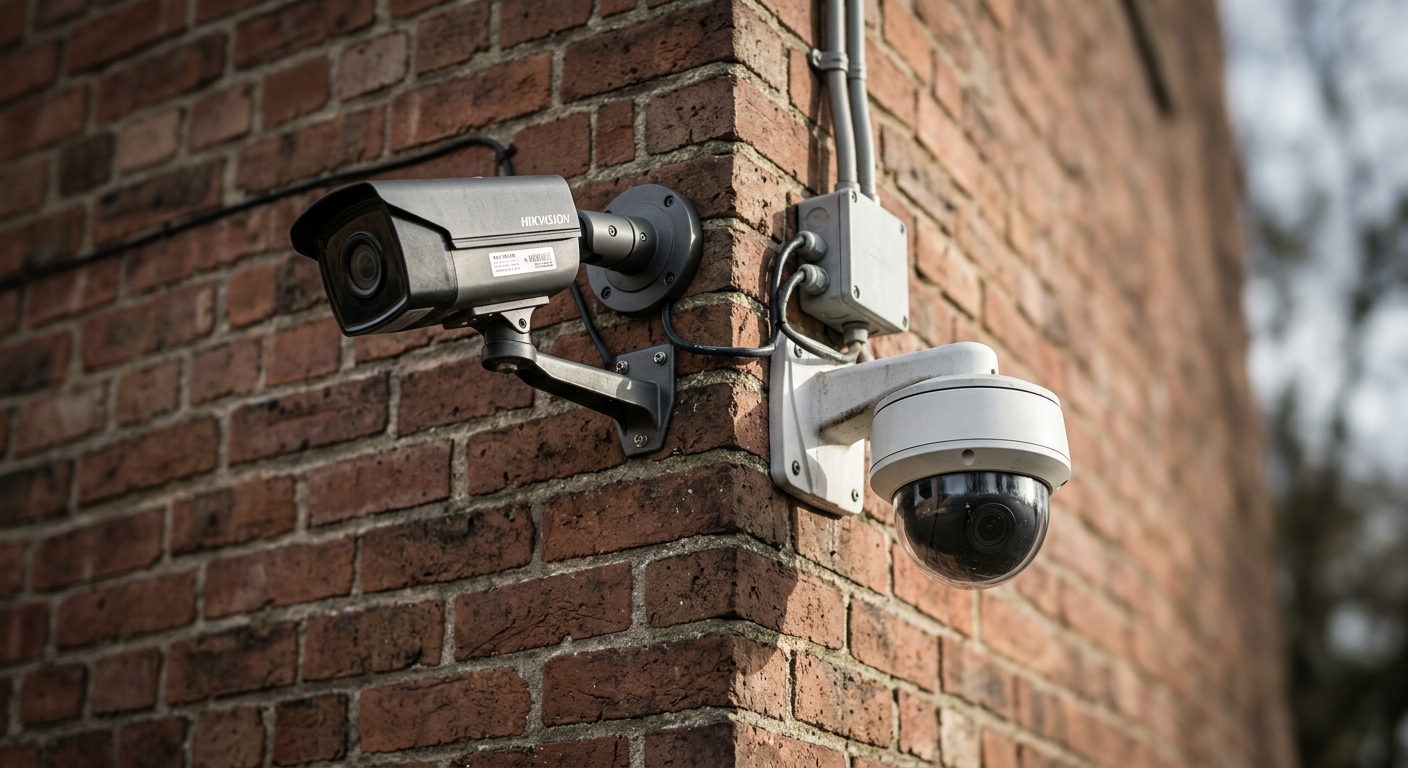
Maryland condominium associations (governed by Md. Code, Real Prop. Title 11) own the exterior walls, hallways, and common elements. A unit owner who installs a Ring doorbell on a condo's exterior wall is modifying association property. Most condo bylaws require board approval for any modifications to common elements.
Landlord and Tenant Rights
Maryland rental properties present additional legal layers for Ring doorbell installations.
Tenant-Installed Ring Doorbells
Tenants in Maryland should obtain written landlord permission before installing a Ring doorbell. Exterior modifications typically require landlord approval, and drilling holes for a doorbell mount could affect the security deposit.
The audio recording issue is especially important for tenants. A Ring doorbell in a multi-unit building could capture conversations between other tenants in hallways or shared entryways. Under Maryland's all-party consent law, this creates potential felony liability for the tenant who owns the device.
Disabling audio recording before installing a Ring doorbell in a Maryland rental property is the safest approach for tenants.
Landlord-Installed Cameras
Maryland landlords can install video surveillance cameras in common areas like parking lots, building entrances, and lobbies. These areas are not private under the visual surveillance statute. Cameras inside tenant units or aimed at private tenant spaces (bedroom windows, bathroom windows) violate Md. Code, Crim. Law section 3-901.
If a landlord installs Ring doorbells with audio recording enabled on a multi-unit building, the landlord faces the same all-party consent issues as any other Ring owner in Maryland.
Law Enforcement Access to Ring Footage
Maryland follows the same federal framework as other states regarding law enforcement access to Ring footage.
Warrant and Legal Process Requirements
Law enforcement in Maryland typically needs a warrant, subpoena, or court order to obtain Ring footage from Amazon. Since 2024, Ring has required valid legal process before releasing customer recordings. The company discontinued its "Request for Assistance" feature that previously allowed police to request footage directly through the Neighbors app.
Police can still knock on a homeowner's door and ask them to voluntarily share Ring footage. Homeowners have no legal obligation to comply with a voluntary request.
Emergency Exceptions
Ring may release footage without user permission when the company determines someone faces "danger of death or serious physical injury." This emergency exception is based on federal law (18 U.S.C. section 2702) and operates independently of Maryland state law.
The Audio Admissibility Problem
Even when Maryland law enforcement obtains Ring footage through a valid warrant, the audio portion is currently inadmissible as evidence if the recording violated section 10-402. This creates a practical limitation on the usefulness of Ring audio in criminal prosecutions. SB 661 and HB 802 (2026) aim to address this gap by allowing illegally intercepted audio to be admitted when "the interest of justice will be served."
Penalties for Illegal Recording in Maryland
Maryland imposes some of the harshest penalties in the country for unauthorized recording.
Criminal Penalties
| Offense | Statute | Classification | Maximum Prison Time | Maximum Fine |
|---|---|---|---|---|
| Illegal wiretapping (audio) | Cts. & Jud. Proc. section 10-402 | Felony | 5 years | $10,000 |
| Visual surveillance without consent | Crim. Law section 3-901 | Misdemeanor | Varies | Varies |
| Visual surveillance with prurient intent | Crim. Law section 3-902 | Misdemeanor | 1 year | $2,500 |
Civil Penalties
| Remedy | Amount |
|---|---|
| Minimum statutory damages | $1,000 |
| Daily violation damages | $100 per day |
| Punitive damages | Court discretion |
| Attorney fees and costs | Recoverable |
| Mandatory fine (repeat offenders) | $500 minimum |
Practical Enforcement Reality
While Maryland's penalties for wiretapping violations are severe on paper, prosecutions of homeowners for Ring doorbell audio recordings have been rare. Law enforcement and prosecutors have generally focused enforcement on intentional eavesdropping rather than passive security camera audio. However, the statute does not distinguish between the two, and a neighbor who files a complaint could trigger an investigation.
How to Use a Ring Doorbell Legally in Maryland
Given Maryland's strict all-party consent law, Ring doorbell owners need to take specific precautions.
Disable audio recording. The single most important step for Maryland Ring doorbell owners. The Ring app allows users to turn off audio recording entirely. This eliminates the felony risk under section 10-402 while preserving the camera's video surveillance capabilities.
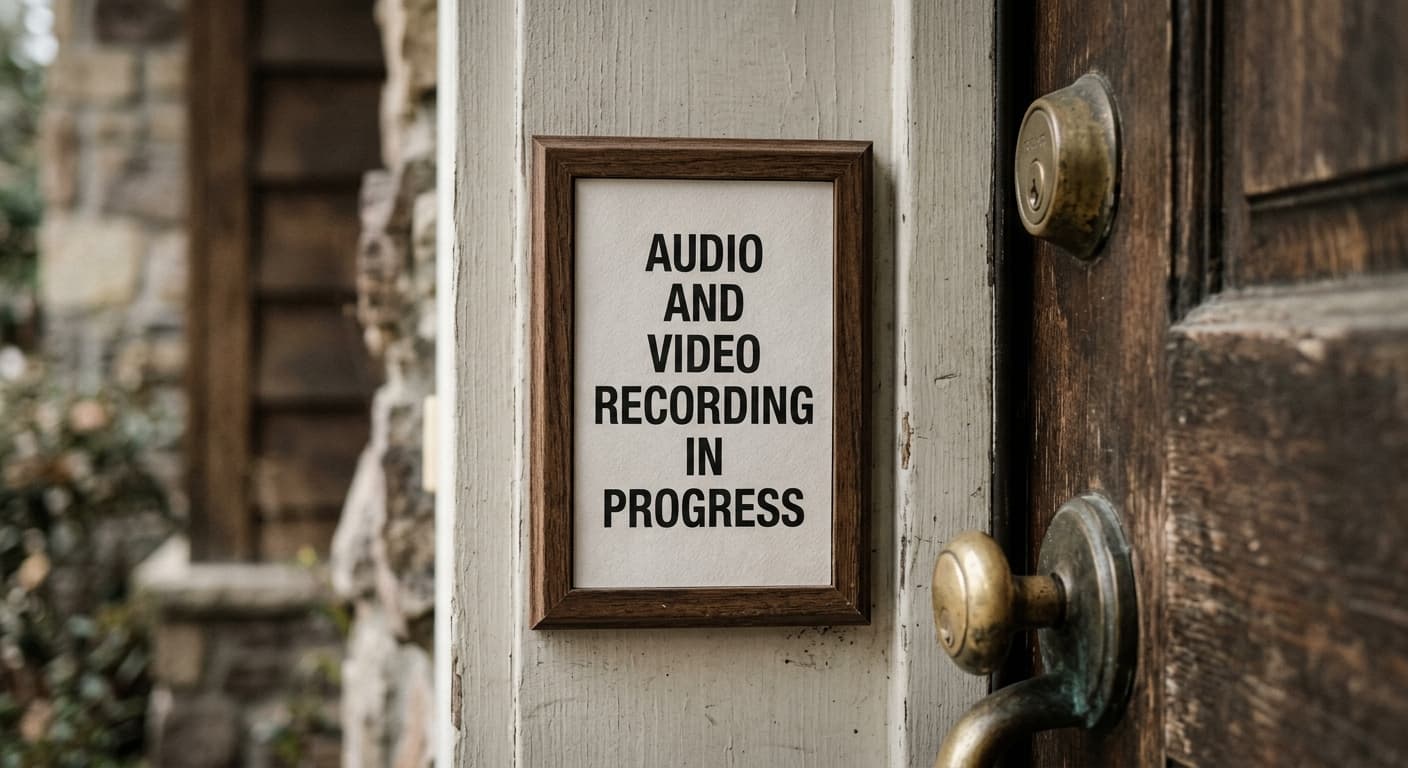
If keeping audio enabled, post clear signage. Some legal commentators suggest that posting a visible sign stating "Audio and video recording in progress" near the Ring doorbell could establish implied consent from visitors who proceed past the sign. Maryland courts have not definitively ruled on whether this constitutes valid consent under section 10-402, so this approach carries risk.
Use Ring's privacy zones. Configure the camera to exclude neighboring windows, private areas, and any spaces where people have a reasonable expectation of privacy from the recording field.
Check HOA and condo rules. Review governing documents and obtain any required approvals before installation. Submit architectural review applications where required.
Get landlord permission if renting. Obtain written authorization before installing and consider the audio implications in multi-unit buildings.
Monitor legislative changes. SB 661 and HB 802 (2026) could create new exceptions for home security audio recordings. Check the Maryland General Assembly website for updates on these bills.
Enable end-to-end encryption. If you keep any recordings, Ring's E2EE feature provides an additional layer of protection for your stored footage.
More Maryland Laws
Explore other Maryland legal topics on RecordingLaw.com:
- Maryland Recording Laws
- Maryland Hit and Run Laws
- Maryland Lemon Law
- Maryland Surveillance Camera Laws
- Maryland Data Privacy Laws
This article provides general legal information about Maryland Ring doorbell laws and is not legal advice. Maryland's wiretapping statute carries felony penalties, and the law is actively evolving through legislative reform. Consult an attorney for advice specific to your situation.
Sources and References
- Md. Code, Cts. & Jud. Proc. § 10-402 (Wiretapping and Electronic Surveillance)(mgaleg.maryland.gov).gov
- Md. Code, Crim. Law § 3-901 (Visual Surveillance)(mgaleg.maryland.gov).gov
- Md. Code, Crim. Law § 3-902 (Visual Surveillance with Prurient Intent)(mgaleg.maryland.gov).gov
- Md. Code, Cts. & Jud. Proc. § 10-410 (Civil Liability for Wiretapping)(mgaleg.maryland.gov).gov
- SB 61 (2025) - Wiretapping and Electronic Surveillance - Security Camera Exception(mgaleg.maryland.gov).gov
- SB 661 (2026) - Intercepted Communications - Admissibility of Evidence(trackbill.com)
- Maryland Lawmakers Look to Reform Recording Laws (Maryland Matters, Nov 2025)(marylandmatters.org)
- Md. Code, Real Prop. Title 11B (Maryland Homeowners Association Act)(mgaleg.maryland.gov).gov
- Ring Law Enforcement Guidelines(ring.com)
- 18 U.S.C. § 2702 (Stored Communications Act)(law.cornell.edu)
- FTC Ring Privacy Settlement (2023)(ftc.gov).gov