California Ring Doorbell Laws: What You Need to Know in 2026
California is one of the riskiest states in the country for Ring doorbell owners who leave audio recording enabled. As an all-party consent state under Cal. Penal Code 632, California requires every participant in a confidential conversation to consent before anyone can record it. A Ring doorbell that silently captures audio of a neighbor's private conversation on your front porch could expose you to criminal charges, civil lawsuits, and damages of $5,000 or more per violation.
Audio Recording Laws and Ring Doorbells in California
California's all-party consent requirement makes audio recording the single most dangerous feature of a Ring doorbell in this state. Unlike one-party consent states where the device owner's knowledge is sufficient, California demands that every person whose confidential communication is being recorded must consent.
Cal. Penal Code 632: The Core Statute
Cal. Penal Code 632 prohibits any person from using "an electronic amplifying or recording device to eavesdrop upon or record the confidential communication" of another person without the consent of all parties. The statute defines a "confidential communication" as one "carried on in circumstances as may reasonably indicate that any party to the communication desires it to be confined to the parties thereto."
This definition is critical for Ring doorbell owners. A conversation is not confidential if it takes place "in a public gathering" or "in any other circumstance in which the parties to the communication may reasonably expect that the communication may be overheard or recorded." A person shouting on a public sidewalk has no reasonable expectation of privacy. Two people whispering on your front porch, on the other hand, may have exactly that expectation.
Why Ring Doorbells Create Unique Risk in California
Ring doorbells record audio by default. The microphone activates with motion detection or when someone presses the doorbell, capturing whatever conversations happen within range. In California, this creates several high-risk scenarios:
Visitors having private conversations. A friend confiding in another friend on your doorstep has a reasonable expectation that the conversation is confidential. Your Ring doorbell recording that exchange without their knowledge likely violates Penal Code 632.
Delivery drivers and service workers. A plumber discussing a medical issue on a phone call while standing at your door could constitute a confidential communication captured without consent.
Neighbors passing by. Ring doorbells with high-sensitivity microphones can pick up conversations from the sidewalk or adjacent properties. If those conversations are conducted at normal volume between parties who expect privacy, recording them is legally risky.
The "Confidential Communication" Defense
Ring doorbell owners in California often argue that conversations near a front door are not "confidential" because the speakers are in a semi-public area. California courts have not issued a definitive ruling on this question specific to doorbell cameras.
However, the statute excludes communications where parties "may reasonably expect that the communication may be overheard or recorded." Posting visible signage stating that audio and video recording is in progress can shift this analysis. If visitors see a clear notice and continue their conversation, they arguably cannot claim it was confidential. This is the single most important legal protection available to California Ring doorbell owners.
Video Recording Laws for Ring Doorbells
California video surveillance law is less restrictive than audio, but it still imposes meaningful limits.
Cal. Penal Code 647(j): Criminal Invasion of Privacy
Cal. Penal Code 647(j) criminalizes using a device to look through a hole or opening into an area where a person has a reasonable expectation of privacy, or using a concealed camcorder to secretly record someone without consent. A first offense is a misdemeanor punishable by up to six months in jail and a $1,000 fine. Second offenses carry up to one year and $2,000.
For Ring doorbells, this statute is primarily relevant if the camera is positioned to view into a neighbor's home through a window. Standard doorbell placement capturing the porch and street typically does not trigger 647(j).
Cal. Civil Code 1708.8: Constructive Invasion of Privacy
California's Civil Code 1708.8 goes further than most states by creating civil liability for "constructive invasion of privacy." Under this statute, a person is liable when they attempt to capture a visual image, sound recording, or other impression of someone "engaging in a private, personal, or familial activity" using any device, even without physically trespassing, if the image or recording "could not have been achieved without a trespass unless the device was used."
This means a Ring doorbell with a powerful zoom or wide-angle lens that captures a neighbor's private backyard activities could trigger liability under Civil Code 1708.8, even though the camera never leaves the owner's property. Damages can include three times actual damages plus punitive damages, and civil fines between $5,000 and $50,000.
CCPA and Ring Doorbell Data Privacy
California's Consumer Privacy Act (Cal. Civil Code 1798.100 et seq.), as amended by the California Privacy Rights Act (CPRA), gives state residents unique rights regarding the personal data that Ring and Amazon collect through doorbell cameras.
Under the CCPA, California consumers can request that Ring disclose what personal information it has collected, request deletion of that data, and opt out of the sale or sharing of their personal information. Ring's CCPA disclosures confirm the company collects identifiers (name, address, IP address, account information), internet activity information, geolocation data, and audiovisual information from its devices.
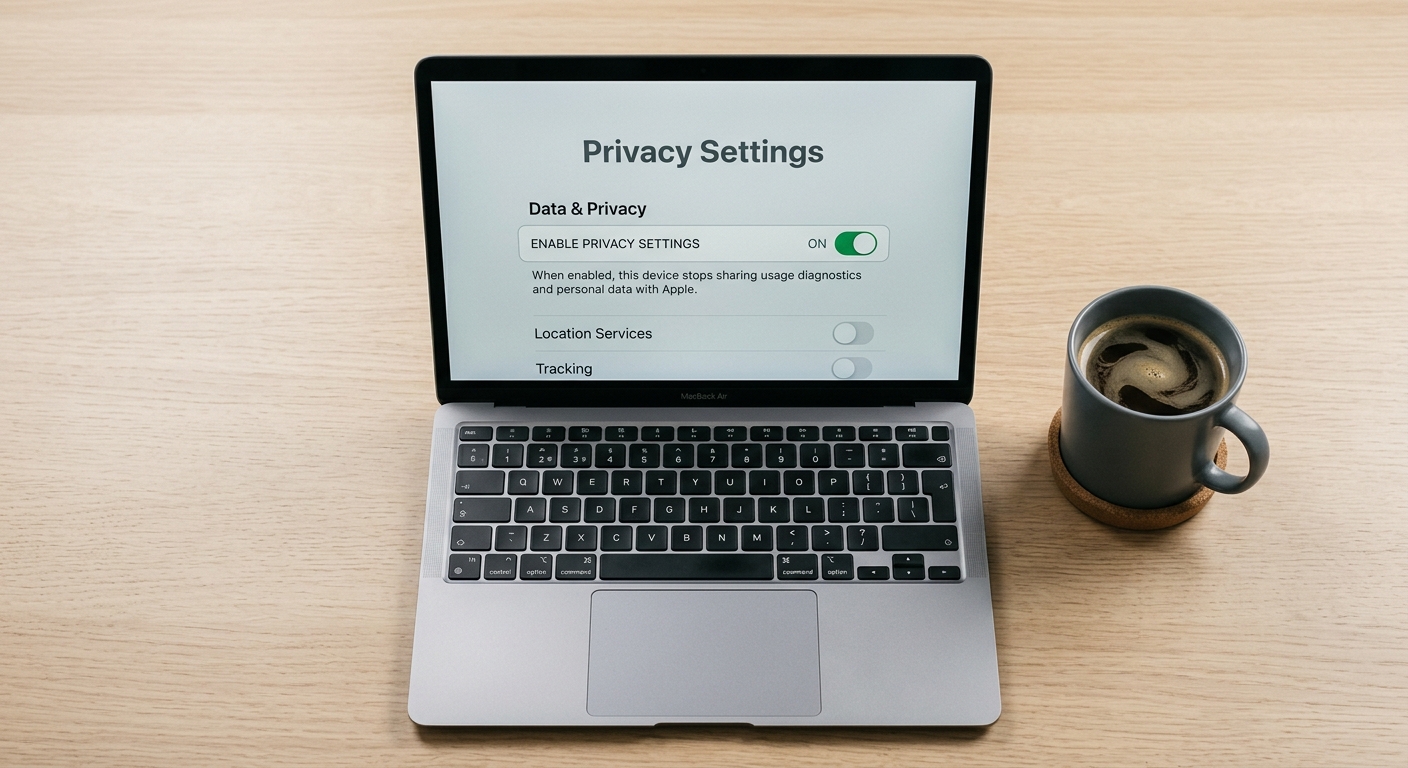
For Ring doorbell owners, this creates a practical consideration: visitors and neighbors captured on Ring footage may have their own CCPA rights regarding that data, depending on how Ring processes and stores it. The intersection of doorbell camera footage and CCPA data subject rights remains an evolving area of California law as of April 2026.
Reiner v. Dickens House II HOA: A Landmark Case
One of the most significant California cases involving Ring doorbells and HOAs is Reiner v. Dickens House II Homeowners Association (Case No. 2:23-cv-10050, C.D. Cal.). Filed in November 2023 in the U.S. District Court for the Central District of California, this case tested the boundaries of HOA authority to ban doorbell cameras.
The Dickens House II HOA had adopted a rule prohibiting residents from installing any audio or video recording devices on the exterior of their units, including video doorbells. Plaintiff Deborah Reiner requested permission to install a Ring camera as a reasonable accommodation for a disability. The HOA denied her request, citing "potential invasion of privacy."
Reiner sued under the federal Fair Housing Act and the California Fair Housing and Employment Act (Cal. Gov. Code 12900 et seq.), arguing the blanket ban on exterior cameras denied her a reasonable disability accommodation. The case settled and was dismissed on November 15, 2024. While the specific settlement terms remain confidential, the case underscored that HOA camera bans can face legal challenges when they conflict with disability accommodation requests.
HOA Rules and Ring Doorbells in California
California's Davis-Stirling Common Interest Development Act (Cal. Civil Code 4000 et seq.) governs HOA authority. While the Act does not specifically address doorbell cameras, it requires HOAs to enforce rules consistently, follow proper rulemaking procedures, and avoid unreasonable restrictions on property use.
California courts have held that HOAs cannot impose blanket bans on property modifications without a substantial justification. In Silacci v. Abrahams (1993), the California Court of Appeal ruled that HOAs must demonstrate a substantial reason to prohibit exterior modifications. A blanket ban on all security cameras would likely face legal scrutiny.
That said, HOAs can adopt reasonable regulations governing camera placement, field of view, audio recording limitations, and aesthetic requirements. Many California HOAs now have specific policies addressing video doorbells, often requiring that audio be disabled and cameras pointed away from neighboring units.
Practical Considerations for HOA Communities
Before installing a Ring doorbell in a California HOA community, homeowners should review the CC&Rs and any rules regarding exterior devices. If the HOA prohibits doorbell cameras, residents may request a variance or accommodation, particularly if they can demonstrate a security need. The Reiner case suggests that disability-related accommodation requests carry particular legal weight.
Landlord and Tenant Rights in California
California tenants have some protections regarding security device installation, though the law does not specifically guarantee the right to a Ring doorbell.
Landlords who install surveillance cameras on rental property exteriors must inform tenants. Cameras cannot capture the interior of rental units, and audio recording is subject to the all-party consent requirement of Penal Code 632. A landlord who installs a Ring doorbell that records audio of tenants' conversations without consent faces both criminal liability and civil damages.
Tenants seeking to install a Ring doorbell should request written permission from their landlord. Because installation may require drilling or wiring modifications, most leases require prior approval for exterior changes. Battery-powered Ring models that avoid permanent modifications may be easier to get approved.
California Civil Code 1940.2 prohibits landlords from retaliating against tenants who request security improvements. However, this protection does not create an absolute right to install exterior devices without landlord consent.
Audio Liability in Multi-Unit Buildings
In apartment buildings and condominiums, a Ring doorbell in a shared hallway captures conversations of multiple residents and their guests. Given California's all-party consent requirement, this creates heightened liability. A Ring doorbell in a California apartment hallway recording audio without visible notice and consent from all parties is a significant legal risk. Disabling audio is strongly recommended in multi-unit California rental properties.
Law Enforcement Access to Ring Footage in California
California has stronger privacy protections than many states when it comes to law enforcement access to digital data.
The California Electronic Communications Privacy Act (CalECPA, Cal. Penal Code 1546 et seq.), enacted in 2015, requires law enforcement to obtain a warrant before accessing electronic communications information, including stored video and audio from devices like Ring doorbells. CalECPA goes beyond federal requirements by extending warrant protections to metadata and location information associated with electronic communications.
Police can still ask Ring owners to share footage voluntarily, and homeowners remain free to comply or refuse. But California law enforcement cannot compel Ring or Amazon to hand over a customer's footage without a warrant, except in cases involving an emergency involving danger of death or serious bodily injury.
Ring's 2025 partnership with Axon has created a new system for law enforcement to request footage, but California's CalECPA requirements still apply. Any compelled disclosure in California requires a warrant regardless of Ring's internal policies.
Penalties for Illegal Recording in California
California imposes some of the harshest penalties in the nation for illegal recording.

Cal. Penal Code 632 (eavesdropping): First offense carries up to $2,500 in fines and up to one year in county jail or state prison. A "wobbler" offense, it can be charged as either a misdemeanor or felony. Repeat offenders face fines up to $10,000.
Cal. Penal Code 637.2 (civil damages): Victims can sue for $5,000 per violation or three times actual damages, whichever is greater. This means a Ring doorbell that captures multiple confidential conversations could generate damages in the tens of thousands of dollars.
Cal. Civil Code 1708.8 (invasion of privacy): Three times actual damages plus punitive damages, plus civil fines between $5,000 and $50,000.
Cal. Penal Code 647(j) (criminal invasion of privacy): Up to six months in jail and $1,000 fine for a first offense; up to one year and $2,000 for subsequent offenses.
Federal FTC action: The FTC's 2023 settlement with Ring required the company to pay $5.8 million and delete data derived from videos it unlawfully reviewed. California residents affected by Ring's privacy failures received refunds through the FTC in 2024.
How to Use a Ring Doorbell Legally in California
California's strict recording laws require Ring doorbell owners to take specific precautions.
Disable audio recording. This is the safest approach in California. Turning off the microphone through the Ring app eliminates the all-party consent issue entirely. Many California privacy attorneys recommend this as the default setting.
If keeping audio enabled, post conspicuous signage. Place a clearly visible sign near the doorbell stating: "Audio and video recording in progress." Under Penal Code 632, a conversation is not "confidential" if the parties can reasonably expect to be recorded. Visible signage establishes that expectation. Use signs that are readable from a reasonable distance, not tiny stickers.
Use Ring's privacy zones. Configure the camera to exclude neighboring properties, windows, and private areas from the field of view. This reduces exposure under both Penal Code 647(j) and Civil Code 1708.8.
Review CCPA rights. Understand that neighbors and visitors captured on your Ring footage may exercise CCPA rights to request information about or deletion of their data from Ring/Amazon.
Enable end-to-end encryption. Ring offers optional end-to-end encryption. Enabling it limits access to footage, adding a layer of protection following the FTC's findings about Ring employee access to customer videos.
Check HOA and lease terms. Review CC&Rs or lease agreements before installation. If your HOA bans doorbell cameras, consider requesting a variance and documenting any security-related need.
Do not use footage to harass or intimidate. Under Cal. Penal Code 632(e), consent obtained for the purpose of committing a crime or tort does not constitute valid consent. Using Ring footage to stalk, harass, or intimidate neighbors creates additional criminal and civil liability.
More California Laws
California has extensive laws covering privacy, recording, and property rights. Here are other California legal guides on RecordingLaw.com:
- California Recording Laws covers the full scope of all-party consent rules.
- California Security Camera Laws addresses broader video surveillance regulations.
- California Audio Recording Laws explains audio consent requirements in detail.
- California Landlord-Tenant Recording Laws addresses surveillance in rental properties.
- California Data Privacy Laws (CCPA) covers consumer privacy rights.
- What is the CCPA? explains California's landmark privacy law.
- California Hit and Run Laws covers accident reporting obligations.
- California Lemon Law explains vehicle warranty protections.
This article provides general legal information about Ring doorbell laws in California, not legal advice. California's recording and privacy laws are among the most complex in the nation, and their application to specific situations can vary. Consult an attorney for advice specific to your situation.
Sources and References
- Cal. Penal Code 632 - Eavesdropping(leginfo.legislature.ca.gov).gov
- Cal. Penal Code 647(j) - Criminal Invasion of Privacy(leginfo.legislature.ca.gov).gov
- Cal. Civil Code 1708.8 - Invasion of Privacy(leginfo.legislature.ca.gov).gov
- California Consumer Privacy Act (CCPA) - Cal. Civil Code 1798.100(leginfo.legislature.ca.gov).gov
- CalECPA - Cal. Penal Code 1546 et seq.(leginfo.legislature.ca.gov).gov
- Davis-Stirling Act - Cal. Civil Code 4000 et seq.(leginfo.legislature.ca.gov).gov
- FTC v. Ring LLC - Enforcement Action and Settlement(ftc.gov).gov
- FTC Ring Customer Refunds (2024)(ftc.gov).gov
- Ring CCPA Disclosures(ring.com)
- Reiner v. Dickens House II HOA, Case No. 2:23-cv-10050 (C.D. Cal.)(pacermonitor.com)
- Ring Law Enforcement Information Requests Policy(ring.com)