
Kentucky
Kentucky Laws on Recording in Public: Rights, Limits, and Exceptions
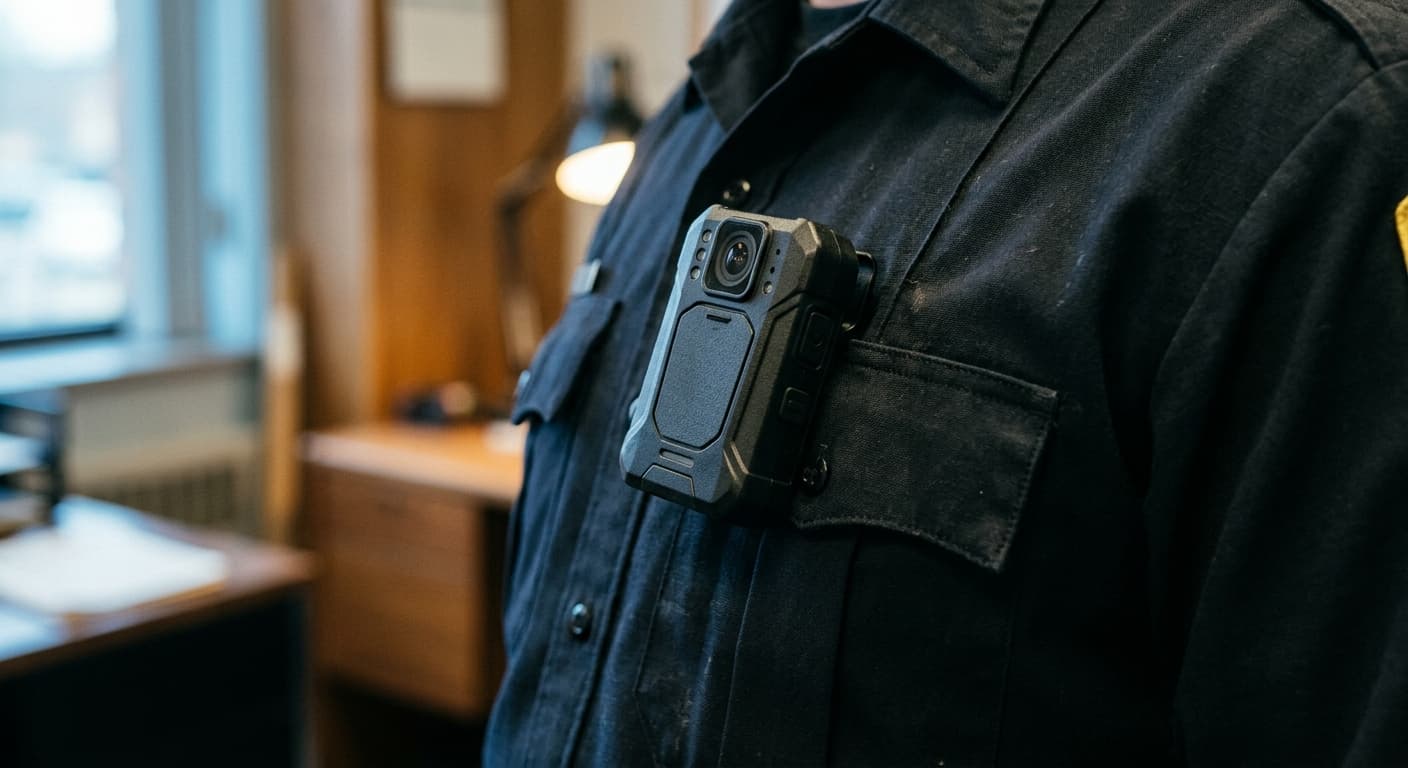
Recording in public places in Kentucky is legal under the First Amendment, and no state law restricts video filming on streets, parks, or government property. Audio recording follows one-party consent under KRS 526.020, so you may record any conversation you participate in. Private property owners may still limit recording on their premises.
Recording in public places in Kentucky is broadly protected by the First Amendment and by the absence of any state statute prohibiting public filming. You can photograph, film, and record video in parks, on streets, at public events, and in government buildings without a permit. Audio recording adds complexity because Kentucky's eavesdropping laws under KRS 526.020 apply when private conversations are captured.
This guide covers your rights to record in public, the distinctions between public and private spaces, audio recording considerations, government meeting recording rights, and the most common situations where public recording questions arise.
Your Right to Record in Public
Constitutional Foundation
The First Amendment to the United States Constitution protects the freedom of speech and the press, which courts have interpreted to include the right to gather information through recording in public spaces. Federal appeals courts across the country have recognized that photographing and filming in public is protected expression.
The Sixth Circuit Court of Appeals, which has jurisdiction over Kentucky, has upheld the right to record in public spaces. This means that Kentucky residents have a well-established constitutional right to use cameras, smartphones, and other recording devices in public areas.
No Permit Required
Kentucky does not require permits for personal photography or filming in public spaces. You can freely record:
- On public sidewalks, streets, and intersections
- In public parks, plazas, and green spaces
- At public monuments, memorials, and landmarks
- On public transportation platforms and stops
- At public beaches, lakes, and recreation areas along public land
- During public events, festivals, and parades
Commercial filming may require permits in certain jurisdictions. Louisville, Lexington, and other Kentucky cities have film commission offices that coordinate permits for professional productions that use public infrastructure, require road closures, or involve large crews.
Video vs. Audio Recording in Public
Video-Only Recording
Video recording without audio in public spaces is essentially unregulated in Kentucky. There is no state law that restricts your ability to capture visual images of anything visible from a public space. This includes:
- Filming buildings, architecture, and landmarks
- Recording street scenes and public events
- Photographing people in public places
- Filming traffic, weather, and natural events
- Livestreaming public activities
Audio Recording and the Eavesdropping Law
When your recording captures audio, KRS 526.020 becomes relevant. The key question is whether the audio you capture involves a "wire or oral communication" that the speakers intended to be private.
Audio recording is clearly legal when:
- You are recording your own conversations with others (one-party consent)
- You are recording public speeches, announcements, or performances
- You are recording ambient noise without targeting specific private conversations
- The speakers have no reasonable expectation of privacy (shouting in a crowd, public debate)
Audio recording may be problematic when:
- You use a directional microphone to capture a private conversation between two people who are speaking quietly
- You deliberately position recording equipment to intercept communications you are not part of
- The speakers have taken steps to keep their conversation private despite being in a public area
In practice, standard video recording in public with ambient audio capture rarely triggers legal issues. The concern arises when someone deliberately targets a specific private conversation for interception.
Recording Government Activity
Open Meetings Act (KRS 61.805-61.850)
Kentucky's Open Meetings Act is one of the strongest government transparency laws in the country. It requires that all meetings of public agencies be open to the public, with limited exceptions for closed sessions.
Under the Act, you can attend and record:
- City council meetings
- County fiscal court meetings
- School board meetings
- State legislative committee hearings
- Planning and zoning commission meetings
- Public utility commission hearings
- University board of trustees meetings
- Any meeting of a body created by state or local law that exercises governmental authority
Recording in Government Buildings
You generally have the right to record in the public areas of government buildings, including:
- State Capitol building in Frankfort
- County courthouses (public areas, not courtrooms without permission)
- City hall buildings
- Public libraries
- Department of Motor Vehicle offices
- Public schools (with certain restrictions)
- Post offices (federal regulations apply)
Individual government buildings may have posted rules about recording. Security-sensitive areas within government buildings may restrict recording. Federal buildings have their own regulations.
Courtroom Recording
Recording inside Kentucky courtrooms requires specific permission. The Kentucky Supreme Court Rules govern media coverage and recording in courtrooms. Rule 9.30 addresses electronic media coverage of judicial proceedings:
- Judges have discretion to allow or prohibit recording in their courtrooms
- Requests to record must typically be made in advance
- Certain proceedings (juvenile cases, family court matters) may have additional restrictions
- Recording that disrupts proceedings can be prohibited
Recording in Quasi-Public Spaces
Private Property Open to the Public
Businesses and private establishments that are open to the public have the right to restrict recording on their premises. This includes:
- Retail stores and shopping malls
- Restaurants and bars
- Movie theaters and entertainment venues
- Gyms and fitness centers
- Hospitals and medical facilities
- Churches and religious institutions
- Museums and galleries
If you are asked to stop recording on private property and refuse, you can be asked to leave. Remaining after being told to leave may constitute trespassing under KRS 511.060 or KRS 511.070.
Recording at Public Events on Private Property
Events held on private property that are open to the public (concerts, sporting events, festivals) may have their own recording policies. Event organizers can:
- Prohibit recording as a condition of entry (printed on tickets or posted at entrances)
- Restrict certain types of recording equipment (professional cameras, tripods)
- Allow personal phone recording but prohibit commercial filming
- Eject attendees who violate recording policies
Street Photography and Kentucky Law
Your Rights as a Photographer
Kentucky has no law restricting street photography. You can photograph or film people in public spaces without their permission. There is no right to privacy in public activities conducted in view of others.
What Is Not Protected
While public photography is broadly legal, certain uses of photographs can create legal issues:
- Commercial use without consent: Using someone's likeness for commercial purposes (advertising, product promotion) without their consent may violate Kentucky's right of publicity doctrine
- Harassment through photography: If photography is part of a pattern of behavior that constitutes stalking under KRS 508.150, it could result in criminal charges
- Photographing minors: While legally permitted in public, photographing children in ways that could be construed as targeting them for inappropriate purposes may draw law enforcement attention
Recording Protests and Public Demonstrations
Legal Protections
Recording protests, marches, rallies, and other public demonstrations is strongly protected by the First Amendment. This protection extends to:
- Protesters recording their own activities
- Journalists covering the event
- Bystanders documenting what they observe
- Livestreamers broadcasting in real time
Police Interaction During Protests
During protests, law enforcement cannot:
- Order you to stop recording simply because you are recording
- Confiscate your camera or phone without a warrant
- Use crowd dispersal orders specifically to prevent recording
- Arrest you solely for the act of recording
Police can issue lawful orders to move for safety or to clear a roadway. If given a lawful order to relocate, comply with the order but continue recording from the new position.
Recording at Schools and Universities
Public Schools
Kentucky public schools are government property, and the general right to record in public spaces applies with modifications:
- Parents can generally record school events (plays, concerts, sporting events) unless the school has a specific restriction
- School administrators can restrict recording during instructional time to prevent disruption
- Recording in certain areas (locker rooms, restrooms) is always prohibited
- FERPA protections may apply to recordings that capture other students' identifiable information
Public Universities
Kentucky's public universities (University of Kentucky, University of Louisville, Western Kentucky University, etc.) are generally open to recording in outdoor areas and publicly accessible buildings. Individual departments, classrooms, and facilities may have specific recording policies.
Drone Recording in Kentucky
FAA Regulations
Drone recording in Kentucky is primarily governed by federal Federal Aviation Administration (FAA) regulations rather than state law. Key requirements include:
- Recreational drones must be registered with the FAA if they weigh more than 0.55 pounds
- Commercial drone operators must hold a Remote Pilot Certificate
- Drones must fly below 400 feet in uncontrolled airspace
- Operators must maintain visual line of sight
- Drones cannot fly over people without proper waiver or certification
- Drones cannot fly near airports, stadiums, or other restricted airspace without authorization
State and Local Drone Restrictions
Kentucky has limited state-level drone restrictions. KRS 500.120 addresses the use of drones for hunting and may serve as a model for additional regulations. Local ordinances in some Kentucky cities may impose additional restrictions on drone use, particularly in parks and near public events.
Privacy Concerns With Drone Recording
A drone equipped with a camera that captures footage of people in areas where they have a reasonable expectation of privacy (fenced backyards, through windows) could potentially trigger voyeurism charges under KRS 531.090 or privacy-related civil claims.
More Kentucky Recording Laws
Audio Recording | Video Recording | Voyeurism and Hidden Cameras | Workplace Recording | Recording Police | Phone Call Recording | Security Cameras | Recording in Public | Landlord-Tenant Recording | Dashcam Laws | School Recording | Medical Recording
Back to Kentucky Recording Laws
More Kentucky Recording Topics
More Kentucky Laws
Frequently Asked Questions
Is it legal to record video in public in Kentucky?
Yes. Kentucky has no law prohibiting video recording in public spaces. You can film on public streets, parks, sidewalks, and anywhere you have a legal right to be. Audio recording is also permitted when you are a participant in the conversation under one-party consent (KRS 526.020).
Do I need a permit to film in public in Kentucky?
No permit is required for personal photography or filming in public spaces. Commercial film productions that require road closures, use of public infrastructure, or large crews may need permits from local film commissions in cities like Louisville or Lexington.
Can I record a government meeting in Kentucky?
Yes. Kentucky's Open Meetings Act (KRS 61.805-61.850) requires most government meetings to be open to the public, and you can attend and record these meetings. This includes city council meetings, school board meetings, county fiscal court meetings, and legislative committee hearings.
Can a store owner tell me to stop recording in their business?
Yes. Private property owners, including businesses open to the public, can restrict recording on their premises. If you are asked to stop recording and refuse, you can be asked to leave. Remaining after being told to leave may result in trespassing charges.
Can I fly a drone to record video in Kentucky?
Yes, subject to FAA regulations. Recreational drones over 0.55 pounds must be registered. Commercial operators need a Remote Pilot Certificate. Drones must fly below 400 feet and maintain visual line of sight. Using a drone to record people in private areas where they have a reasonable expectation of privacy could violate voyeurism or privacy laws.
Sources and References
- KRS 526.020 - Eavesdropping(apps.legislature.ky.gov).gov
- KRS Chapter 61 - Open Records and Open Meetings(apps.legislature.ky.gov).gov
- KRS 511.060 - Criminal Trespass in the First Degree(apps.legislature.ky.gov).gov
- KRS 531.090 - Voyeurism(apps.legislature.ky.gov).gov
- FAA - Unmanned Aircraft Systems(faa.gov).gov
- FERPA - Family Educational Rights and Privacy Act(www2.ed.gov).gov
- Kentucky Court Rules(kycourts.gov).gov