
Georgia
Georgia Workplace Recording Laws: Employee and Employer Rules (2026)
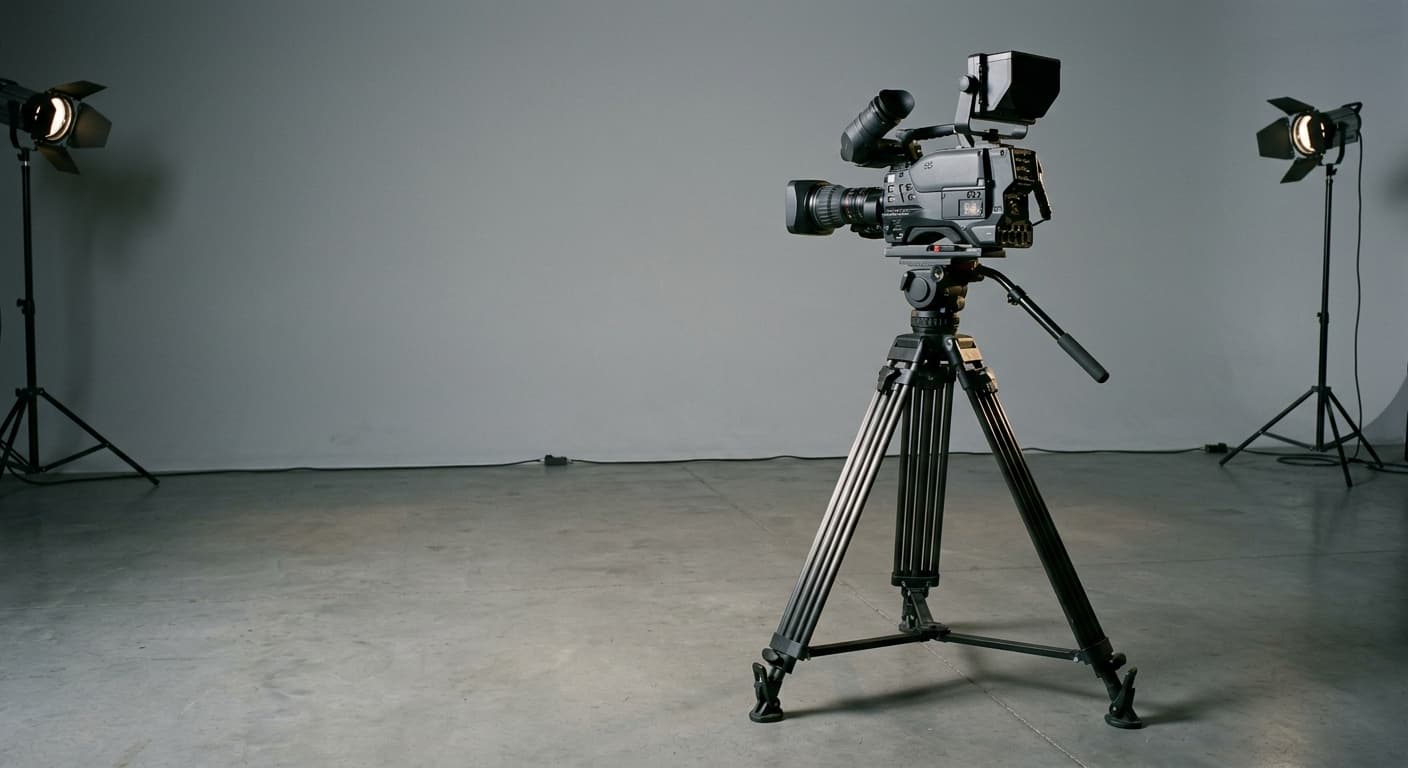
Georgia employees can record any workplace conversation they participate in without notifying coworkers or managers, under the one-party consent rule in O.C.G.A. 16-11-66. Employers may use video surveillance in common areas but cannot secretly record audio without a consenting participant.
Georgia's workplace recording laws give employees significant freedom to document conversations at work while also allowing employers to conduct reasonable video surveillance. The state's one-party consent rule for audio recording means any employee participating in a workplace conversation can record it without telling coworkers, managers, or HR representatives. Video surveillance follows different rules, with the distinction between public and private areas determining what employers and employees can lawfully capture.
This guide covers employee recording rights, employer surveillance programs, the interaction between state recording law and federal labor protections, documentation of harassment and discrimination, and GPS tracking in company vehicles.
Employee Rights to Record at Work
Audio Recording by Employees
Under O.C.G.A. § 16-11-66, Georgia employees can record audio of any workplace conversation they are part of. This includes:
- One-on-one meetings with a supervisor or manager
- Performance reviews and disciplinary meetings
- HR conversations and complaint discussions
- Phone calls with clients, vendors, or colleagues
- Team meetings and conference calls you attend
- Conversations with coworkers in break rooms, hallways, or shared spaces
You do not need to announce the recording, get written permission, or notify HR beforehand. Your participation in the conversation satisfies Georgia's one-party consent requirement.
What Employees Cannot Record
Georgia's one-party consent rule has limits. Employees cannot:
- Plant a hidden recorder to capture conversations they are not part of. Leaving a recording device in a conference room to capture a meeting you do not attend violates O.C.G.A. § 16-11-62.
- Intercept phone calls between other employees. Tapping into a coworker's phone line to record their conversations is illegal wiretapping.
- Video record coworkers in private workplace areas without all-party consent. The audio/video split in Georgia law means video recording in private places requires consent from everyone observed.
Why Employees Record at Work
Common reasons employees use their recording rights include:
- Documenting harassment or discrimination. Audio recordings can serve as powerful evidence of verbal abuse, discriminatory remarks, or hostile work environment behavior.
- Preserving instructions and agreements. Verbal promises about raises, promotions, schedule changes, or job responsibilities are easier to prove with recordings.
- Protecting against false accusations. When your word is pitted against a manager's in a workplace dispute, a recording provides objective evidence.
- Recording performance reviews. Capturing the exact feedback and commitments made during a review creates an accurate record.
Employer Surveillance Rights
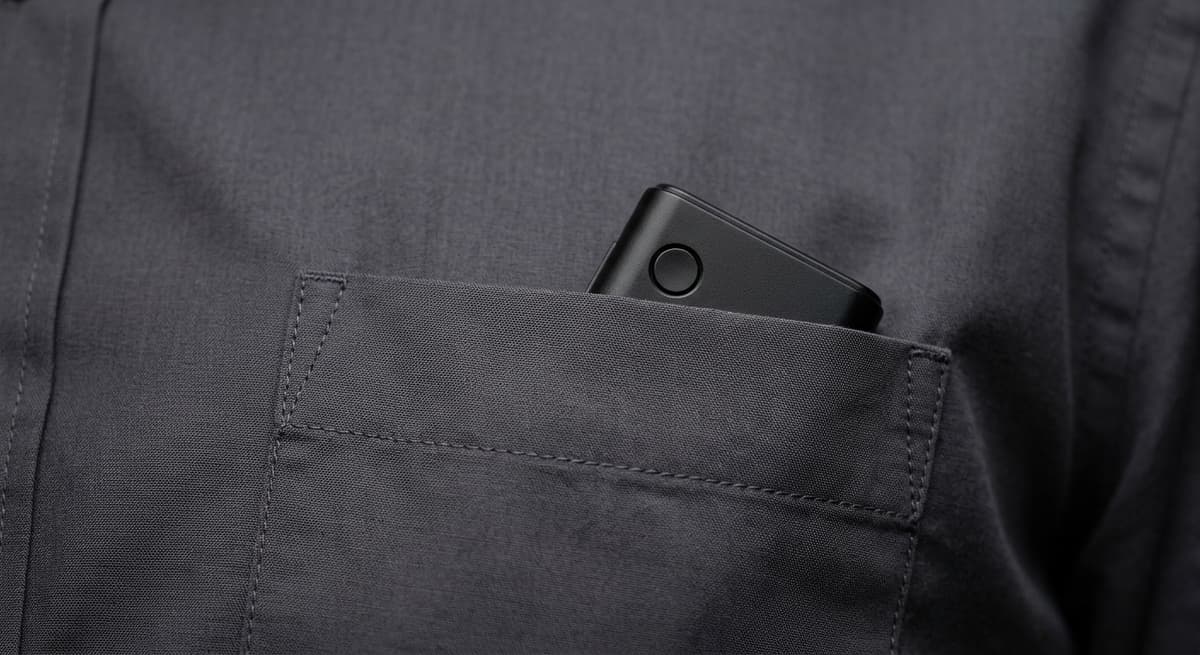
Video Surveillance in the Workplace
Georgia employers can use video surveillance cameras for legitimate business purposes. Video monitoring is permitted in:
- Entrances, exits, and lobbies
- Production floors and manufacturing areas
- Warehouses and storage areas
- Cash register areas and point-of-sale stations
- Parking lots and exterior areas
- Common hallways and corridors
Areas Where Cameras Are Prohibited
Employers cannot install cameras in areas where employees have a reasonable expectation of privacy:
- Bathrooms and restrooms
- Locker rooms and changing areas
- Lactation rooms and nursing spaces
- Private offices with closed doors (without consent from occupants, under the all-party video consent rule)
Installing cameras in these prohibited areas can result in felony charges under O.C.G.A. § 16-11-62 and civil liability for invasion of privacy.
Audio Surveillance by Employers
Employer audio recording follows the same one-party consent rules as individual recording. An employer can record a conversation if at least one participant consents. This means:
- A manager can record a meeting they attend without telling employees
- The company can record phone calls if the company representative on the call consents
- Employers cannot install hidden microphones to capture private conversations between employees without any participant's knowledge
Recording private conversations between employees without any party's consent is a felony. An employer who places a hidden audio recorder in a break room to monitor employee conversations, without any consenting participant, violates O.C.G.A. § 16-11-62(3).
Best Practices for Employer Surveillance
- Adopt a written surveillance policy. Clearly outline what areas are monitored, what technology is used, and the business purposes for monitoring.
- Post visible signage. Signs alerting employees to video surveillance help establish that monitoring is transparent and can reduce privacy expectations in those areas.
- Include surveillance policies in employee handbooks. Employees should acknowledge receipt and understanding of monitoring policies.
- Keep audio separate from video. If security cameras have microphone capability, consider disabling audio to avoid complications under wiretapping laws.
- Conduct regular audits. Review camera placements and monitoring practices to confirm ongoing compliance.
No-Recording Policies and the NLRA

Can Employers Ban Recording at Work?
Georgia employers can implement workplace policies that prohibit recording. Violation of such a policy can be grounds for discipline, up to and including termination. Because Georgia is an at-will employment state, employers can generally fire employees for any reason not specifically prohibited by law.
However, blanket no-recording policies face significant challenges under federal labor law.
Section 7 and the National Labor Relations Act
Section 7 of the National Labor Relations Act (NLRA) protects employees' rights to engage in "protected concerted activity." This includes actions taken together with coworkers to address working conditions, organize unions, or document labor violations.
The National Labor Relations Board (NLRB) has ruled that blanket no-recording policies can violate Section 7 and Section 8(a)(1) of the NLRA when they are broad enough to chill employees from exercising their protected rights. Recording evidence of unsafe working conditions, wage violations, or labor law noncompliance can qualify as protected concerted activity.
Balancing State Law and Federal Protections
The interaction between Georgia's one-party consent law, employer policies, and the NLRA creates a layered framework:
- Georgia law makes the recording itself legal (for audio when a party consents)
- Employer policy can make the recording a terminable offense within the company
- The NLRA may protect the employee from termination if the recording involved protected concerted activity
An employee fired for recording evidence of workplace safety violations or labor law noncompliance may have a valid unfair labor practice claim with the NLRB, even though the employer's policy technically prohibited recording.
Recording Harassment and Discrimination

Using Georgia's One-Party Consent for Documentation
Georgia's recording law gives employees a powerful tool for documenting workplace harassment and discrimination. Audio recordings of harassing comments, discriminatory statements, threats, or retaliatory actions provide objective evidence that is difficult for an employer to deny.
Situations where recording can be valuable include:
- Verbal sexual harassment or inappropriate remarks
- Racially discriminatory comments
- Retaliatory threats after filing a complaint
- Hostile work environment behavior
- Disability-related discrimination or failure to accommodate
- Age-related discriminatory remarks
Filing Complaints With State and Federal Agencies
Lawfully recorded evidence can support complaints filed with:
- The Equal Employment Opportunity Commission (EEOC) for federal employment discrimination claims
- The Georgia Commission on Equal Opportunity for state-level discrimination complaints
- The Department of Labor for wage and hour violations
- The NLRB for unfair labor practices
Whistleblower Protections
Georgia's Whistleblower Act (O.C.G.A. § 45-1-4) protects public employees who report violations of law or waste of public funds. Federal whistleblower protections under statutes like the Sarbanes-Oxley Act and Dodd-Frank Act protect private sector employees who report securities violations, fraud, and other specified misconduct.
Recordings made under Georgia's one-party consent law can serve as evidence supporting whistleblower claims. However, the recording itself does not grant whistleblower protection. The employee must be reporting a genuine legal violation through proper channels.
GPS Tracking and Electronic Monitoring
Employer GPS Tracking of Company Vehicles
Georgia employers can generally track company-owned vehicles using GPS devices. When the employer owns the vehicle and the employee uses it for business purposes, installing a GPS tracker typically does not violate Georgia law because the employer has a legitimate property interest.
However, the 2022 amendments to O.C.G.A. § 16-11-62 added restrictions on GPS monitoring. It is unlawful to place a GPS monitoring device on a motor vehicle owned or leased by another person without their consent, particularly when the person being tracked has a protective order in place. This provision can affect situations where an employer tracks vehicles that employees own or lease personally.
Computer and Email Monitoring
Georgia employers can monitor employee computer usage, email communications, and internet activity on company-owned systems. The federal Electronic Communications Privacy Act (ECPA) provides a "provider exception" that allows companies monitoring their own communication systems to access communications transmitted over those systems.
Best practices for employer electronic monitoring include:
- Maintaining clear policies about monitoring expectations
- Informing employees that company devices and networks are subject to monitoring
- Limiting monitoring to legitimate business purposes
- Securing collected data appropriately
Using Workplace Recordings as Evidence
Admissibility in Georgia Courts
Recordings made lawfully under Georgia's one-party consent rule are generally admissible as evidence. Courts evaluate recordings under O.C.G.A. Title 24 for:
- Authentication. Can you prove the recording is genuine and unaltered?
- Relevance. Does the recording relate to the claims at issue?
- Hearsay rules. Certain statements on the recording may face hearsay objections.
- Prejudicial impact. Courts balance the recording's probative value against potential unfair prejudice.
Administrative Proceedings
Recordings are also commonly used in:
- EEOC investigations and mediations
- NLRB unfair labor practice proceedings
- Unemployment benefits hearings
- Workers' compensation disputes
- State labor board investigations
Penalties for Illegal Workplace Recording
Criminal Penalties
Illegally recording workplace conversations (recording without any party's consent) is a felony under O.C.G.A. § 16-11-69:
| Penalty | Range |
|---|---|
| Prison time | 1 to 5 years |
| Fine | Up to $10,000 |
| Combined | Both prison and fine |
Civil Liability
Employers or employees who record illegally face civil lawsuits including invasion of privacy claims, federal Wiretap Act damages under 18 U.S.C. § 2520, and potential punitive damages.
More Georgia Laws
- Georgia AI Meeting Recording Laws
- Georgia Alimony Laws
- Georgia At-Will Employment Laws
- Georgia Car Accident Laws
- Georgia Car Seat Laws
- Georgia Child Custody Laws
- Georgia Child Support Laws
- Georgia Common Law Marriage Laws
- Georgia Data Privacy Laws
- Georgia Deepfake Laws
- Georgia Divorce Laws
- Georgia Dog Bite Laws
- Georgia Emancipation Laws
- Georgia Expungement Laws
- Georgia Hit and Run Laws
- Georgia Landlord-Tenant Laws
More Georgia Recording Laws
Audio Recording | Video Recording | Voyeurism & Hidden Cameras | Workplace Recording | Recording Police | Phone Call Recording | Security Cameras | Recording in Public | Landlord-Tenant | Dashcam Laws | Schools | Medical Recording
Back to Georgia Recording Laws
More Georgia Recording Topics
- Georgia Recording Laws
- Georgia Audio Recording
- Georgia Video Recording
- Georgia Medical Recording
- Georgia Schools Recording
- Georgia Police Recording
- Georgia Phone Calls Recording
- Georgia Security Cameras Recording
- Georgia Voyeurism Recording
- Georgia Landlord Tenant Recording
- Georgia Dashcam Recording
- Georgia Public Recording Recording
- Georgia Biometric Privacy Laws
- Surveillance Camera Laws
Frequently Asked Questions
Can I record my boss in Georgia without telling them?
Yes. Georgia's one-party consent law under O.C.G.A. § 16-11-66 allows you to record audio of any conversation you participate in without informing other parties. You can record meetings with your boss, performance reviews, and disciplinary discussions. However, video recording in a private office requires all-party consent.
Can my employer record me at work in Georgia?
Your employer can use video-only surveillance cameras in common work areas like lobbies, hallways, and production floors. Cameras are prohibited in bathrooms, locker rooms, and changing areas. For audio recording, the employer must have at least one consenting participant in the conversation being recorded. Secret audio monitoring without any party's consent is a felony.
Can I be fired for recording at work in Georgia?
Yes, you can be fired for violating a company no-recording policy, even if the recording is legal under Georgia law. Georgia is an at-will employment state. However, the NLRB has ruled that blanket no-recording policies may violate the National Labor Relations Act when they interfere with protected concerted activity. If you were fired for recording evidence of labor violations, you may have an unfair labor practice claim.
Can my employer put a GPS tracker on my car in Georgia?
If the vehicle is company-owned, the employer can generally install GPS tracking. If you own or lease the vehicle, placing a GPS tracker without your consent may violate O.C.G.A. § 16-11-62, particularly if a protective order is in place. The 2022 amendment specifically addresses unauthorized GPS tracking on vehicles owned or leased by another person.
Can I record evidence of workplace harassment in Georgia?
Yes. Georgia's one-party consent law allows you to audio record conversations you participate in, including those involving harassment or discrimination. These recordings can serve as evidence in EEOC complaints, lawsuits, and internal grievance proceedings. Be aware that a company recording policy may still subject you to discipline, though NLRA protections may apply.
Sources and References
- O.C.G.A. § 16-11-62 - Eavesdropping and Surveillance(ga.elaws.us)
- O.C.G.A. § 16-11-66 - One-Party Consent Exception(ga.elaws.us)
- NLRB - Employee Rights Under Section 7 / 8(a)(1)(nlrb.gov).gov
- Stericycle, Inc., 372 NLRB No. 113 (2023) - balancing standard for employer work rules(nlrb.gov).gov
- NLRB GC 25-07 (June 25, 2025) - surreptitious recording guidance(nlrb.gov).gov
- EEOC - Filing a Charge of Discrimination(eeoc.gov).gov
- DOL - Wage and Hour Complaints(dol.gov).gov
- Georgia Open Meetings Act(law.georgia.gov).gov
- O.C.G.A. § 45-1-4 - Georgia Whistleblower Act(ga.elaws.us)
- 18 U.S.C. § 2511 - Federal Wiretap Act(law.cornell.edu)
- 18 U.S.C. § 2520 - Recovery of Civil Damages(law.cornell.edu)