
Georgia
Georgia Laws on Recording in Public: What Is Legal (2026)
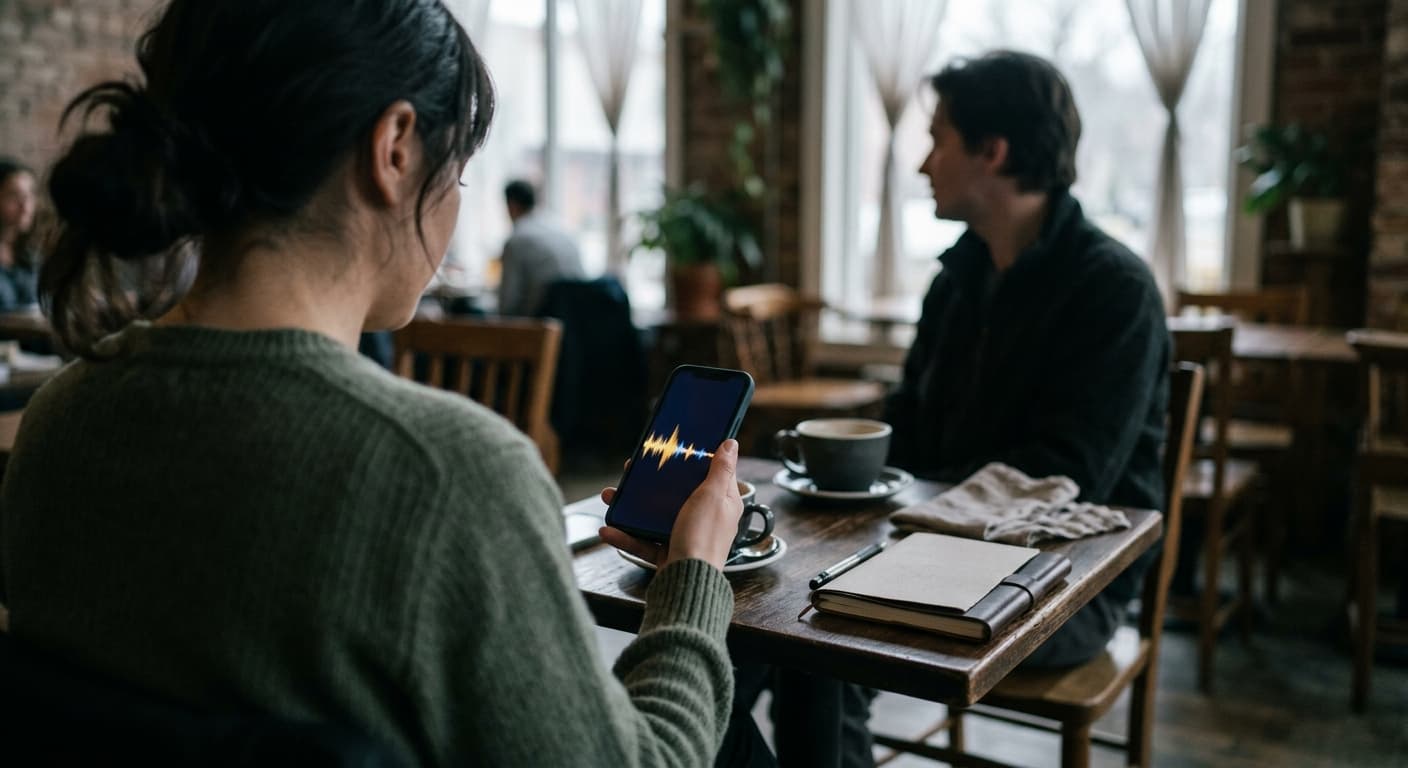
Recording in public places in Georgia is legal. No state statute prohibits photography, video, or audio recording in public spaces, and the First Amendment protects the right to document matters of public interest. For audio, Georgia follows one-party consent under O.C.G.A. § 16-11-66, so you may record any conversation you take part in.
Georgia law broadly permits recording in public spaces. There is no state statute prohibiting photography, videography, or audio recording in areas where people have no reasonable expectation of privacy. The First Amendment provides a constitutional foundation for public recording, and Georgia's Open Meetings Act specifically guarantees the right to record government meetings.
This guide covers your rights to record in public places throughout Georgia, including streets and sidewalks, government buildings, public events, protests, and the boundaries where public recording rights meet private property restrictions.
The Legal Framework for Public Recording in Georgia
No State Prohibition on Public Filming
Georgia does not have a statute that prohibits recording in public places. The absence of such a law, combined with First Amendment protections, means you can generally photograph, film, and audio record in any public space. This includes:
- Public streets, sidewalks, and crosswalks
- City and state parks, playgrounds, and recreation areas
- Government buildings open to the public (exterior and public interior areas)
- Public transportation stops and stations
- Public beaches and waterways
- Public parking lots and garages
First Amendment Protections
The First Amendment to the U.S. Constitution protects the right to gather information in public spaces. The Eleventh Circuit Court of Appeals, which covers Georgia, recognized this right in Smith v. City of Cumming, 212 F.3d 1332 (11th Cir. 2000), holding that citizens have a First Amendment right, subject to reasonable time, manner, and place restrictions, to photograph or videotape matters of public interest.
This right extends beyond recording police. It covers recording:
- Public demonstrations and protests
- Government officials performing their duties
- Public events and celebrations
- Traffic incidents and accidents
- General street scenes and activities
- Buildings, landmarks, and public art
Georgia's One-Party Consent and Public Conversations
For audio recording of conversations in public, Georgia's one-party consent law (O.C.G.A. § 16-11-66) applies. You can record any conversation you participate in without telling other parties. Conversations held in public at normal volume generally carry a reduced expectation of privacy, which further supports the legality of recording.
However, even in public, you cannot use electronic devices to eavesdrop on private conversations between other people that you are not part of. Pointing a directional microphone at two strangers having a quiet conversation on a park bench could violate O.C.G.A. § 16-11-62(3) if the conversation originates in circumstances where the parties expect privacy.
Recording Government Meetings
The Open Meetings Act
Georgia's Open Meetings Act (O.C.G.A. § 50-14-1) provides one of the strongest recording rights in the state. The statute explicitly states that visual and sound recording during open meetings shall be permitted.
This right applies to meetings of any "agency" covered by the Act, which includes:
- City and county commissions and councils
- School boards and education committees
- Planning and zoning boards
- Public hospital authorities
- Water and sewer authorities
- State legislative committees (in public session)
- Any body created by state or local law that receives public funds
What You Can Record at Government Meetings
At any meeting covered by the Open Meetings Act, you can:
- Audio record the entire proceedings
- Video record speakers, votes, and deliberations
- Photograph documents displayed during the meeting
- Livestream the meeting on social media
- Use professional or consumer recording equipment
The agency holding the meeting cannot require you to obtain advance permission to record, though it may establish reasonable rules about equipment placement to avoid disrupting proceedings.
Notice and Access Requirements
Government agencies must provide advance notice of meetings, including time, place, and date. This information must be posted at least one week in advance in a conspicuous place available to the public. Minutes of open meetings must be recorded and made available for public inspection after approval, but no later than immediately following the next regular meeting.
The Open Records Act Connection
Georgia's Open Records Act (O.C.G.A. § 50-18-70) complements the Open Meetings Act by providing public access to government documents and records. If a government meeting produces recordings (official minutes, audio/video recordings, or documents), these are generally subject to public records requests.
The Georgia Attorney General's office provides guidance on both open meetings and open records, including how to file complaints if access is denied.
Recording at Public Events
Protests and Demonstrations
Recording public protests and demonstrations is constitutionally protected. Georgia courts recognize that documenting political speech and assembly serves fundamental democratic interests. You can:
- Film protest marches on public streets
- Record speeches and signs at rallies held on public property
- Document police responses to protests
- Livestream demonstrations in real time
Law enforcement cannot order you to stop recording a protest unless you are actively creating a safety hazard or obstructing police operations.
Sporting Events and Concerts
While the public spaces surrounding events are fair game for recording, events held in private venues (stadiums, arenas, concert halls) are subject to the venue's recording policies. Most professional sporting events and concerts prohibit unauthorized recording under the terms printed on the ticket or posted at the entrance. These restrictions are based on the property owner's right to set conditions for entry, not on state recording law.
Parades and Festivals
Public parades, festivals, and community events on public streets and parks can be freely recorded. Government-sponsored events in public spaces carry no expectation of privacy for participants.
Where Public Recording Rights Meet Private Property
The Public-Private Boundary
The most important boundary for recording in Georgia is between public spaces and private property. Recording rights change significantly when you step from a public sidewalk onto private property.
On public property: You can generally record anything visible to the naked eye. There is no expectation of privacy for activities conducted in plain view in public spaces.
On private property open to the public: Property owners can restrict recording. Shopping malls, grocery stores, restaurants, and private office buildings can all prohibit photography and videography on their premises. These restrictions are based on property rights, not recording law.
Viewing private property from public spaces: You can photograph or film anything visible from a public space, even if it is on private property. A building facade visible from the sidewalk, a front yard visible from the street, or an activity visible through an open window facing a public area can all be recorded from the public vantage point.
Private Property Restrictions
When a private property owner asks you to stop recording or leave the premises, you must comply. Refusing to leave after being asked constitutes criminal trespass under O.C.G.A. § 16-7-21. This applies even in places generally open to the public like malls and stores.
Common private property recording restrictions include:
- Retail stores. Many stores prohibit photography of prices, displays, or products.
- Restaurants and bars. Some establishments prohibit recording to protect customer privacy.
- Office buildings. Security policies often restrict recording in lobbies and common areas.
- Healthcare facilities. Hospitals and clinics frequently restrict recording to protect patient privacy. Georgia's 2022 amendment to O.C.G.A. § 16-11-62 specifically prohibits recording patients at county health facilities without consent.
- Houses of worship. Churches, mosques, temples, and other religious buildings can set their own recording policies.
Recording Transportation in Georgia
Public Transit
Recording on public transportation systems in Georgia, including MARTA (Metropolitan Atlanta Rapid Transit Authority), is generally permitted. Public transit vehicles and stations are public spaces where riders and passersby have a reduced expectation of privacy.
However, MARTA and other transit authorities may have specific policies about commercial filming or the use of tripods and professional equipment that could obstruct passenger flow.
Airports
Georgia's Hartsfield-Jackson Atlanta International Airport, the busiest airport in the world, allows general photography and video recording in public areas (ticketing halls, concourses, and gate areas). TSA regulations permit photography at security checkpoints, though TSA officers may ask you to stop if your recording interferes with the screening process.
Recording is prohibited in areas with restricted access, including behind customs and border control areas, and in locations where signage specifically prohibits it.
Highways and Public Roads
Recording from public roads using handheld cameras, phone cameras, or dashcams is lawful. Traffic incidents, road conditions, and police activity visible from the road can all be recorded.
Drones and Public Recording
FAA Rules and Georgia Law
Drone operators in Georgia must comply with Federal Aviation Administration (FAA) regulations and Georgia law. The FAA requires registration for drones weighing more than 0.55 pounds and prohibits flying in restricted airspace (near airports, military installations, and during temporary flight restrictions).
From a recording perspective, operating a drone in public airspace to capture footage of public places is generally lawful. However, using a drone to photograph or record activities in private places out of public view could violate O.C.G.A. § 16-11-62(2) and potentially the Peeping Tom statute.
Local Ordinances
Some Georgia municipalities have enacted local drone ordinances that restrict where and when drones can operate. Always check local regulations before flying a drone for recording purposes.
Harassment, Stalking, and the Limits of Public Recording
When Recording Becomes Harassment
While public recording is broadly protected, using a camera to follow, intimidate, or harass someone can cross legal lines. Georgia's stalking statute (O.C.G.A. § 16-5-90) prohibits conduct that places another person in reasonable fear for their safety. Repeated, unwanted filming of the same person in public, even without trespassing, could constitute stalking if it creates a pattern of harassment.
Protective Orders and Recording
If a court has issued a protective order (restraining order) against you, recording the protected person in public may violate the terms of that order, even though public recording is otherwise lawful. Always review the specific terms of any protective order before recording.
Practical Tips for Recording in Public
- Know the public-private boundary. Stand on public property (sidewalks, streets, public land) when recording to maximize your legal protection.
- Be aware of your surroundings. Do not block pedestrian traffic, vehicle traffic, or emergency access while recording.
- Respond to property owner requests. If a private property owner or their representative asks you to stop recording, comply and move to public property.
- Keep recordings backed up. Use cloud backup to protect your footage.
- Stay calm during confrontations. If someone objects to being recorded in public, calmly explain your rights and de-escalate.
- Do not record in prohibited areas. Respect restrictions in courtrooms, certain government facilities, and private property with clear no-recording policies.
More Georgia Laws
- Georgia AI Meeting Recording Laws
- Georgia Alimony Laws
- Georgia At-Will Employment Laws
- Georgia Car Accident Laws
- Georgia Car Seat Laws
- Georgia Child Custody Laws
- Georgia Child Support Laws
- Georgia Common Law Marriage Laws
- Georgia Data Privacy Laws
- Georgia Deepfake Laws
- Georgia Divorce Laws
- Georgia Dog Bite Laws
- Georgia Emancipation Laws
- Georgia Expungement Laws
- Georgia Hit and Run Laws
- Georgia Landlord-Tenant Laws
More Georgia Recording Laws
Audio Recording | Video Recording | Voyeurism & Hidden Cameras | Workplace Recording | Recording Police | Phone Call Recording | Security Cameras | Recording in Public | Landlord-Tenant | Dashcam Laws | Schools | Medical Recording
Back to Georgia Recording Laws
More Georgia Recording Topics
- Georgia Recording Laws
- Georgia Audio Recording
- Georgia Video Recording
- Georgia Medical Recording
- Georgia Schools Recording
- Georgia Workplace Recording
- Georgia Police Recording
- Georgia Phone Calls Recording
- Georgia Security Cameras Recording
- Georgia Voyeurism Recording
- Georgia Landlord Tenant Recording
- Georgia Dashcam Recording
- Georgia Biometric Privacy Laws
- Surveillance Camera Laws
Frequently Asked Questions
Can I record in public places in Georgia?
Yes. Georgia has no general prohibition on recording in public spaces. You can freely photograph, film, and audio record on public streets, sidewalks, parks, and at public events. The First Amendment protects this right, and the Eleventh Circuit Court of Appeals has affirmed it in Smith v. City of Cumming (2000).
Can I record government meetings in Georgia?
Yes. The Georgia Open Meetings Act (O.C.G.A. § 50-14-1) explicitly permits visual and sound recording during open government meetings. This covers city and county commission meetings, school board meetings, planning and zoning hearings, and any other meeting of a public agency.
Can a store owner stop me from recording in their business in Georgia?
Yes. Private property owners can restrict recording on their premises. Stores, restaurants, offices, and other private businesses can prohibit photography and videography as a condition of entry. If asked to stop recording or leave, you must comply or risk criminal trespass charges under O.C.G.A. § 16-7-21.
Can I film someone's house from the sidewalk in Georgia?
Yes. You can photograph or film anything visible from a public space, including the exterior of private buildings. The key is that you are standing on public property and recording what is visible to the naked eye. You cannot use special equipment to see into areas that would not normally be visible.
Can I record a protest in Georgia?
Yes. Recording public protests and demonstrations is constitutionally protected activity. You can film marches on public streets, record speeches at rallies, and livestream demonstrations. Law enforcement cannot order you to stop recording a protest unless you are actively creating a safety hazard or obstructing police operations.
Sources and References
- Smith v. City of Cumming, 212 F.3d 1332 (11th Cir. 2000) - First Amendment right to record in public(media.ca11.uscourts.gov).gov
- O.C.G.A. § 16-11-62 - Eavesdropping and Surveillance(ga.elaws.us)
- O.C.G.A. § 16-11-66 - One-Party Consent Exception(ga.elaws.us)
- Georgia Open Meetings Act (O.C.G.A. § 50-14-1)(law.georgia.gov).gov
- Georgia AG FAQ on Open Government(law.georgia.gov).gov
- Georgia SB 539 (2022)(gov.georgia.gov).gov
- FERPA FAQs on Photos and Videos(studentprivacy.ed.gov).gov
- Georgia Open Records Act - O.C.G.A. § 50-18-70(ga.elaws.us)