Alaska AI Laws and Regulation (2026)
Overview of Alaska AI Laws
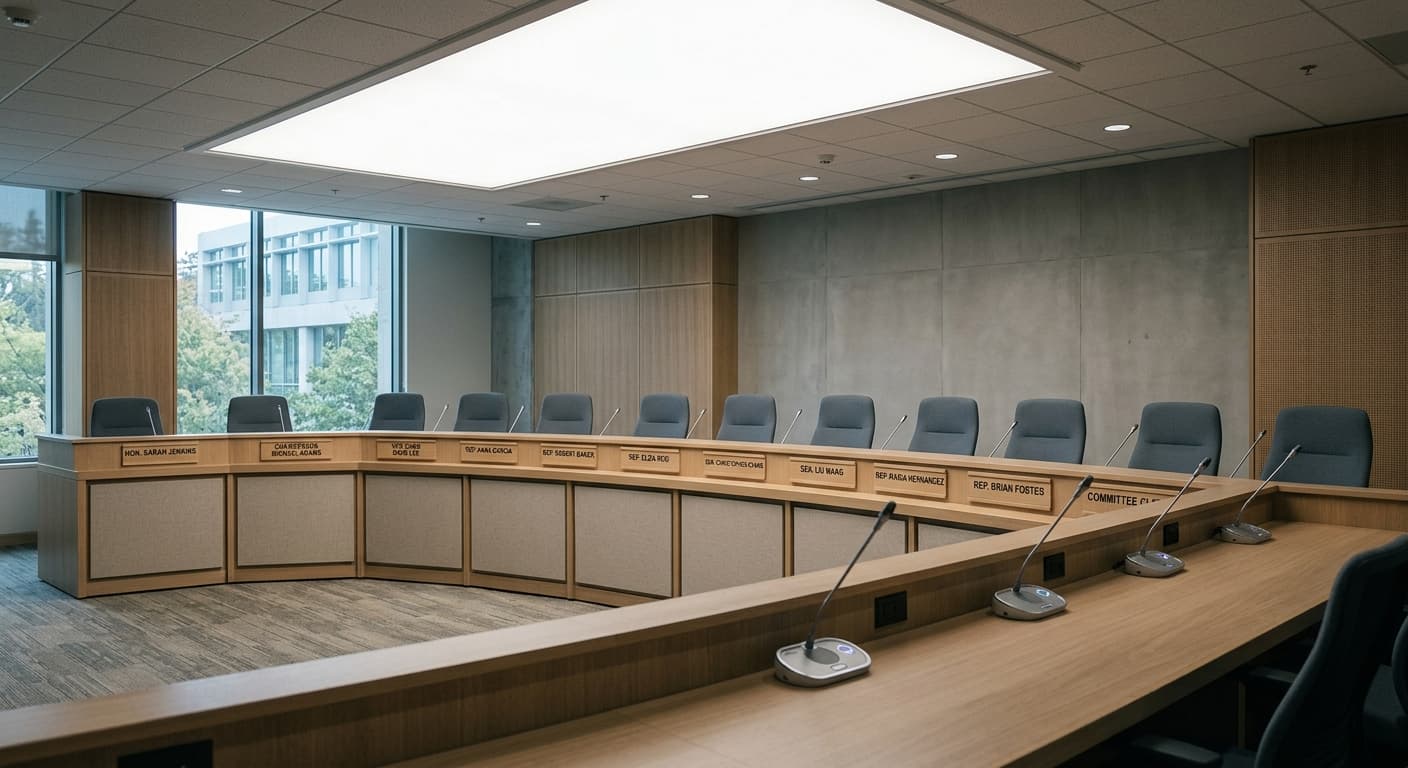
Alaska is in the early stages of developing its artificial intelligence regulatory framework. As of March 2026, the state has not enacted a comprehensive AI law, but the current legislative session has produced significant proposals addressing AI-generated child exploitation material, election deepfakes, and government use of AI.
The most notable development is House Bill 47, which passed the Alaska House unanimously on February 27, 2026. This bill would make Alaska one of the latest states to criminalize AI-generated child sexual abuse material, while also introducing broad social media restrictions for minors.
Meanwhile, Senate Bill 2 proposes a more comprehensive approach to AI governance, addressing election deepfakes, state agency AI use, and data transfers between government agencies.
This article covers Alaska's enacted and pending AI legislation, the state's AI task force, and how federal policy affects Alaska's regulatory approach. This information is current as of March 2026, but you should consult an attorney for advice specific to your situation.
HB 47: AI-Generated Child Sexual Abuse Material
House Bill 47 represents Alaska's most significant AI legislation to date. The bill passed the Alaska House by a vote of 39 to 0 on February 27, 2026, and now heads to the Alaska Senate for consideration.
Why This Bill Was Needed
Alaska was among only five states that had not yet criminalized AI-generated child sexual abuse material as of early 2025. Alaska investigators reported encountering AI-generated child abuse cases that could not be prosecuted under existing law, creating an urgent gap in child protection.
Criminal Penalties
HB 47 creates two new felony offenses under Alaska law:
| Offense | Classification | Escalation |
|---|---|---|
| Distribution of AI-generated CSAM | Class B felony | Upgradeable to Class A for repeat offenders |
| Possession of AI-generated CSAM | Class C felony | Standard sentencing guidelines |
| Distribution of generated sexual depiction (adults) | Class A misdemeanor | N/A |
| Distribution of forged digital likeness | Class A misdemeanor | N/A |
The bill also removes the statute of limitations for distribution charges, allowing prosecutors to pursue cases at any time regardless of when the offense occurred.
Platform Liability
One of the bill's most notable provisions is a $1 million civil penalty on AI platforms for every instance their artificial intelligence system is used to generate child sexual abuse material. This provision places direct financial responsibility on technology companies for the misuse of their AI tools.

Expanded Protections
Before the final vote, lawmakers significantly expanded the bill's scope to include additional protections:
- Forged digital likenesses: It would become a crime to distribute AI-generated voice or visual clones used to defraud, harass, or intimidate others
- Generated sexual depictions of adults: Distributing manipulated sexual imagery intended to cause physical, emotional, or economic harm would become a Class A misdemeanor
Social Media Restrictions for Minors
The expanded version of HB 47 also added sweeping social media restrictions for children:
- Anyone under 18 in Alaska would need parental or guardian permission to create a social media account
- Parents would receive full access to their children's accounts
- A default 10:30 p.m. social media curfew for minors
- Platforms would be prohibited from advertising to minors
- Algorithms could not target content to children based on their identity or interests
Senate Bill 2: Comprehensive AI Governance
Senate Bill 2, introduced by Senator Shelley Hughes on January 22, 2025, takes a broader approach to AI regulation. The bill addresses three distinct areas: election deepfakes, state agency AI use, and data transfers.
Election Deepfake Disclosure Requirements
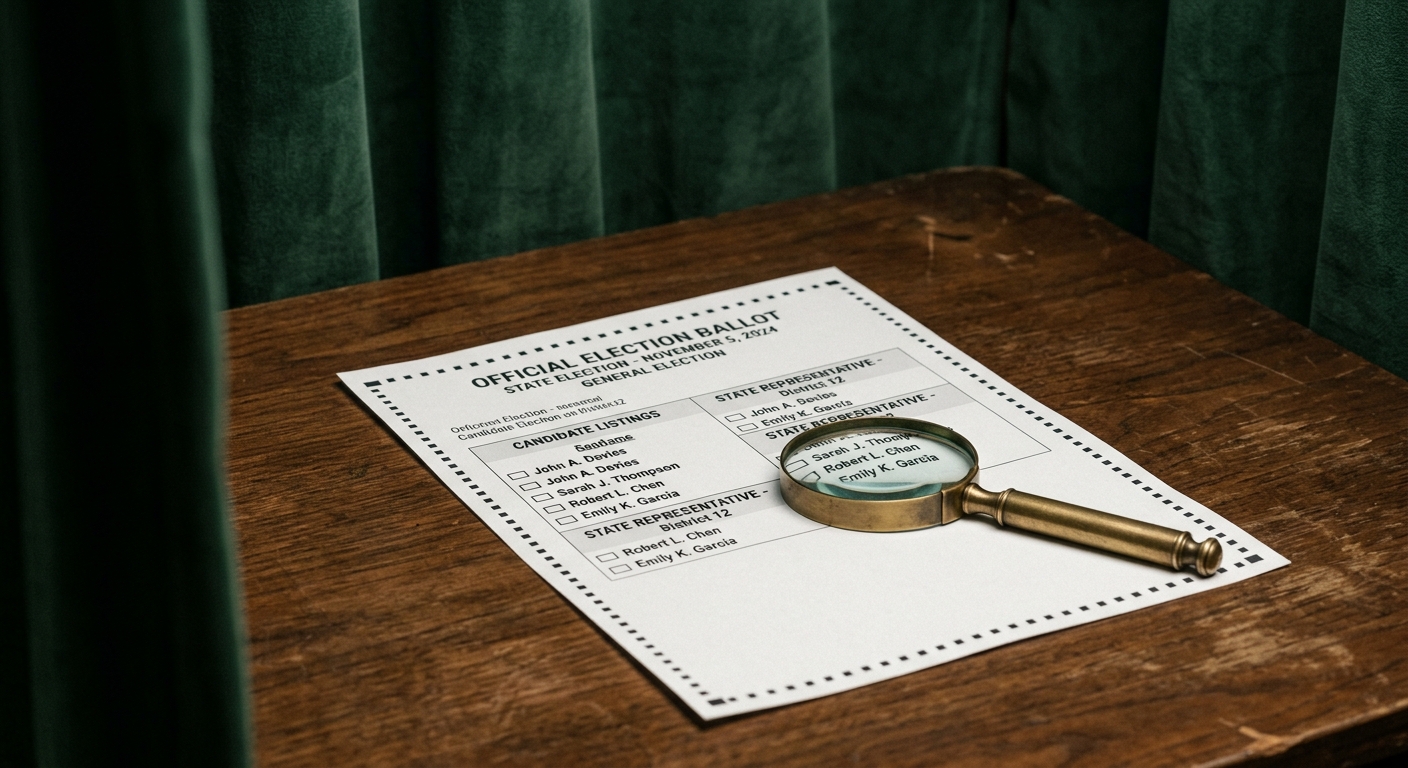
SB 2 would require disclosure for election-related deepfakes. If a person knows or reasonably should know that a communication includes a deepfake depicting a candidate or political party intended to injure their reputation or deceive voters, they must include a statement reading: "This communication has been manipulated or generated by artificial intelligence."
The disclosure requirements vary by format:
- Audio content: The disclaimer must be easily heard
- Print materials: The disclaimer must be clearly visible
- Video content: The disclaimer must be easily discernible on screen
State Agency AI Regulations
The bill would establish some of the most stringent state-level rules for government AI use in the country:
- Biennial inventories: Every two years, state agencies must catalog all AI systems used for consequential decisions, including system names, vendor information, and general capabilities
- Impact assessments: Agencies must complete assessments for AI systems used in consequential decision-making
- Individual rights: Citizens would have rights to consent, notification, and appeal when AI is used in decisions affecting them
- Prohibited uses: State agencies would be banned from using AI for biometric identification, emotion recognition, and social scoring
Data Transfer Restrictions
SB 2 also addresses data transfers between state agencies, requiring that personal data be disclosed to individuals before it can be shared between government entities. This provision adds a layer of transparency to how the state manages citizen data.
Current Status
As of March 2026, SB 2 remains in the Senate State Affairs Committee, with the Judiciary Committee next in the referral chain. The bill has not yet received a committee vote.
Alaska's AI Task Force: HCR 3
The Alaska Legislature established the Joint Legislative Task Force on Artificial Intelligence through HCR 3. The task force was charged with evaluating and supporting the responsible use and development of artificial intelligence statewide.
Task Force Mandate
The resolution directed the task force to study several key areas:
- AI applications in state government operations
- AI use in education and workforce development
- Legal and ethical issues including data privacy, algorithmic bias, and deepfakes
- Economic opportunities from AI development, including the potential for AI data centers in Alaska
- Frameworks for responsible AI governance
Reporting Deadline
The task force was required to submit a report of its findings and recommendations to the Senate Secretary and the Chief Clerk of the House of Representatives by January 31, 2026. These recommendations are expected to inform future AI legislation in the state.
AI in Alaska State Government
Alaska has already begun integrating AI into state operations. The Alaska Office of Information Technology has introduced AI features for state employees, and the state has explored embedding "agentic artificial intelligence" into the myAlaska mobile app.
The myAlaska app serves as the state's official platform for citizens to access government services through a single sign-on system. Plans to integrate AI would allow the system to act on behalf of users, streamlining access to services like the Permanent Fund Dividend and other state programs.
These developments highlight the tension between promoting efficient AI use in government and establishing adequate safeguards, a balance that SB 2's state agency provisions seek to address.

AI and Employment in Alaska
Alaska has not enacted specific legislation governing AI in employment decisions. Senate Bill 177, a predecessor bill from the previous legislative session, proposed transparency requirements for AI hiring tools and broader AI governance measures, but did not advance to passage.
The key employment-related AI proposals that have been discussed in Alaska include:
- Requiring employers to disclose when AI is used in recruitment or evaluation processes
- Encouraging state agencies to adopt responsible AI practices with risk assessments and human oversight
- Establishing definitions for automated decision-making systems within Alaska's legal framework
Until specific AI employment legislation is enacted, Alaska employers using AI in hiring must comply with existing federal and state anti-discrimination protections. AI systems that produce biased outcomes in employment decisions could create liability under federal civil rights laws.
Federal AI Policy and Alaska
Executive Order 14365
President Trump's Executive Order 14365, signed December 11, 2025, creates potential tension with Alaska's AI legislative efforts. The order establishes mechanisms to challenge state AI laws and conditions certain federal funding on states' regulatory approaches.
Impact on Alaska's Pending Bills
Alaska's pending AI legislation intersects with the federal framework in several ways:
HB 47 (child safety): This bill likely falls within EO 14365's protected carve-outs for child safety regulations, making it less vulnerable to federal challenge. The executive order explicitly preserves state authority over child safety matters.
SB 2 (state agency AI use): The provisions governing state government procurement and use of AI also fall within a protected carve-out. However, the election deepfake disclosure requirements could face scrutiny if they are deemed to conflict with the federal policy framework.
Broader concerns: The threat of lost Broadband Equity Access and Deployment (BEAD) funding is particularly relevant for Alaska, where broadband infrastructure development is critical given the state's vast geography and many rural communities with limited connectivity.
Deepfake Protections in Alaska
Alaska's approach to deepfakes spans both HB 47 and SB 2, covering different aspects of the deepfake threat:
Election deepfakes (SB 2): Requires disclosure statements on AI-manipulated political communications depicting candidates or parties.
Sexually explicit deepfakes (HB 47): Creates felony penalties for AI-generated child sexual abuse material and misdemeanor penalties for distributing manipulated sexual imagery of adults intended to cause harm.
Forged digital likenesses (HB 47): Criminalizes the use of AI-generated voice or visual clones to defraud, harass, or intimidate others, protecting Alaskans from AI identity theft.
Together, these provisions would give Alaska a multi-layered approach to combating deepfake harms, though neither bill has completed the full legislative process as of March 2026.
Looking Ahead: Alaska's AI Regulatory Future
Alaska's AI regulatory landscape is developing rapidly. The 2026 legislative session has produced the most significant AI proposals in the state's history, reflecting growing awareness of both AI's potential benefits and its risks.
Key factors that will shape Alaska's AI policy:
Legislative momentum: The unanimous House passage of HB 47 demonstrates strong bipartisan support for AI regulation, at least in the context of child safety. This momentum could carry into broader AI governance efforts.
Federal constraints: EO 14365's funding conditions are particularly significant for Alaska, which relies on federal broadband funding for connectivity in remote areas. This dynamic may moderate the scope of state AI regulation.
Unique state considerations: Alaska's vast geography, reliance on digital services for rural communities, and interest in AI data centers create a distinctive policy context that differs from more urbanized states.
AI task force recommendations: The findings from the HCR 3 task force will likely inform the next wave of AI legislation, providing a research-backed foundation for policy decisions.
More Alaska Laws
Explore other Alaska law topics on Recording Law:
Sources and References
- Alaska HB 47 bill details - state legislature(akleg.gov).gov
- Alaska House passes HB 47 limiting AI sexual imagery(alaskapublic.org)
- Alaska House OKs AI-generated CSAM crackdown(alaskabeacon.com)
- Alaska SB 2 bill details - state legislature(akleg.gov).gov
- Alaska SB 2 on LegiScan(legiscan.com)
- Alaska HCR 3 AI Task Force resolution text(akleg.gov).gov
- HB 47 unanimously passes House with comprehensive protections(alaskahousemajority.com).gov
- Alaska investigators report unprosecutable AI child abuse cases(alaskasnewssource.com)
- Alaska Office of Information Technology AI features(oit.alaska.gov).gov
- Executive Order 14365 on AI state preemption(whitehouse.gov).gov
- Lawmakers advance AI-generated CSAM felony charges(alaskabeacon.com)