Washington AI Laws and Regulation (2026)
Overview of Washington AI Laws
Washington state has emerged as one of the most active AI regulators in the country. The state has enacted multiple AI-related laws since 2023, addressing election deepfakes, nonconsensual intimate images, forged digital likenesses, AI content transparency, chatbot safety for minors, and employer use of AI-driven monitoring tools. Governor Bob Ferguson's signature on two major AI bills in March 2026 continued a pattern of steady legislative action that distinguishes Washington from many other states.
Washington's approach has been to target specific AI harms through focused legislation rather than passing a single comprehensive AI framework. Combined with the work of the state's AI Task Force, administered through the Attorney General's office, this incremental strategy has produced one of the broadest sets of enacted AI protections in the United States.
This article covers Washington's enacted and pending AI legislation, the AI Task Force's recommendations, and how federal policy intersects with the state's regulatory approach. This information is current as of March 2026, but you should consult an attorney for advice specific to your situation.
Election Deepfake Disclosure Law (2023)
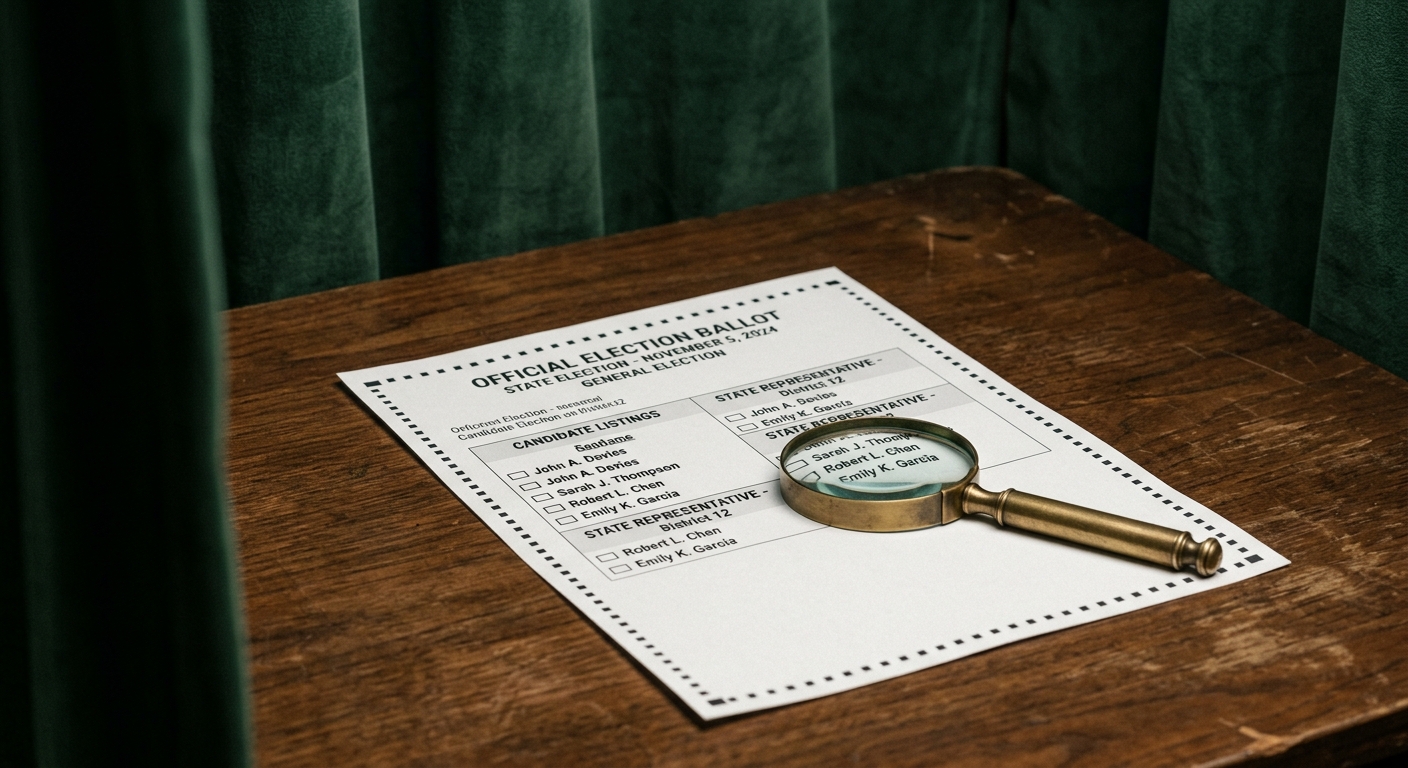
Washington was among the first states to address AI-generated deepfakes in elections. In 2023, Governor Jay Inslee signed SB 5152, sponsored by Senator Javier Valdez, requiring clear disclosure when manipulated or synthetic media is used in election-related communications.
Definition of Synthetic Media
The law defines "synthetic media" as an image, audio, or video recording of a person's appearance, speech, or conduct that has been manipulated to create a realistic but false representation. To qualify, the media must appear to a reasonable person as a real representation of an individual but did not actually occur, and it must cause a reasonable person to have a fundamentally different understanding of the content compared to the unaltered version.
Disclosure Requirements
Any person who distributes synthetic media depicting a candidate within 60 days of an election must include a clear disclosure. The formatting requirements vary by media type:
| Media Format | Disclosure Requirement |
|---|---|
| Visual media (print) | Printed in at least the largest font size of other text |
| Video media | Must appear on screen for the duration of the video |
| Audio media | Must be clearly audible |
Enforcement
Candidates whose voice or likeness appears in synthetic media distributed without proper disclosure within 60 days of an election may seek a court injunction to stop distribution. Candidates may also bring a civil action for general or special damages against the party distributing the media.
Secretary of State Guidance
The Washington Secretary of State's office has actively warned voters about deepfake risks and promoted awareness of the disclosure law, particularly ahead of the 2024 election cycle.
Fabricated Intimate Images Law (2024)
In March 2024, Governor Inslee signed legislation creating criminal penalties for the distribution of AI-fabricated intimate images. This law directly addresses deepfake pornography, adding the offense of "Disclosing Fabricated Intimate Images" to the Washington criminal code.
Criminal Penalties
The law creates tiered penalties based on offense history:
| Offense | Classification | Maximum Penalty |
|---|---|---|
| First offense | Gross misdemeanor | Up to 364 days in jail and/or $5,000 fine |
| Repeat offense (prior conviction) | Unranked Class C felony | Up to 5 years in prison and/or $10,000 fine |
| Involving a minor | Felony | Enhanced penalties under existing child exploitation statutes |
Civil Remedies
Beyond criminal penalties, the law also allows victims to pursue civil lawsuits against individuals who create or distribute fabricated intimate images without consent. This dual criminal-civil approach gives victims multiple avenues for seeking justice.
Coverage Under RCW 9A.86
The provisions are codified in RCW Chapter 9A.86 (Disclosing Intimate Images), which broadly prohibits the distribution of intimate images without consent.
HB 1205: Forged Digital Likenesses (2025)
Governor Ferguson signed House Bill 1205 on April 16, 2025, expanding Washington's deepfake protections beyond intimate images to cover all forged digital likenesses. The law took effect on July 27, 2025.
Definition
The law defines a "forged digital likeness" as a digital visual or audio representation of a real person that has been artificially created or manipulated to be indistinguishable from genuine content, misrepresents the individual's appearance or conduct, and is likely to deceive a reasonable person.
Criminal Provisions
Under RCW 9A.60.045, it is a gross misdemeanor to knowingly distribute a forged digital likeness with intent to defraud, harass, threaten, intimidate, or for any other unlawful purpose, when the distributor knows or reasonably should know the likeness is not genuine.
Free Expression Protections
HB 1205 includes robust carve-outs for protected speech. The law does not prohibit distribution of digital likenesses for cultural, historical, political, religious, educational, newsworthy, or public interest purposes, including artistic works, commentary, satire, and parody. It is also a defense to prosecution if the distributor places a disclaimer on the content identifying the digital likeness as fake.
Technology Provider Protections
Internet service providers, mobile telecommunications services, and telecommunications networks are shielded from liability for hosting or transmitting forged digital likenesses created by third parties, as long as they did not intentionally facilitate the creation and dissemination.
HB 1170: AI Content Disclosure (2026)
House Bill 1170, signed by Governor Ferguson on March 24, 2026, requires AI operators to inform users when content is developed or modified using artificial intelligence. The law was crafted at the Governor's request to combat AI-generated misinformation.
Covered Providers
The law applies to "covered providers," defined as AI companies with more than 1,000,000 monthly users in Washington. This threshold ensures the law targets major AI platforms while exempting smaller developers.
Key Requirements
AI detection tools: Covered providers must offer an AI detection tool at no cost, allowing users and the public to identify AI-generated content.
Watermarks and metadata: When content is substantially modified using generative AI, that information must be traceable through watermarks or metadata embedded in the content. Providers must offer users the option to include a manifest disclosure in image, video, or audio content created or altered by their generative AI tools.
User notification: Operators must inform users when content has been developed or modified through the use of artificial intelligence.
Enforcement
Violations of the provenance detection tool and disclosure requirements are deemed to affect the public interest and constitute an unfair or deceptive act under Washington's Consumer Protection Act. The Attorney General has enforcement authority.
Effective Date
The law takes effect on January 1, 2028, giving covered providers time to develop and implement the required detection tools and watermarking systems.
HB 2225: AI Chatbot Safety for Minors (2026)
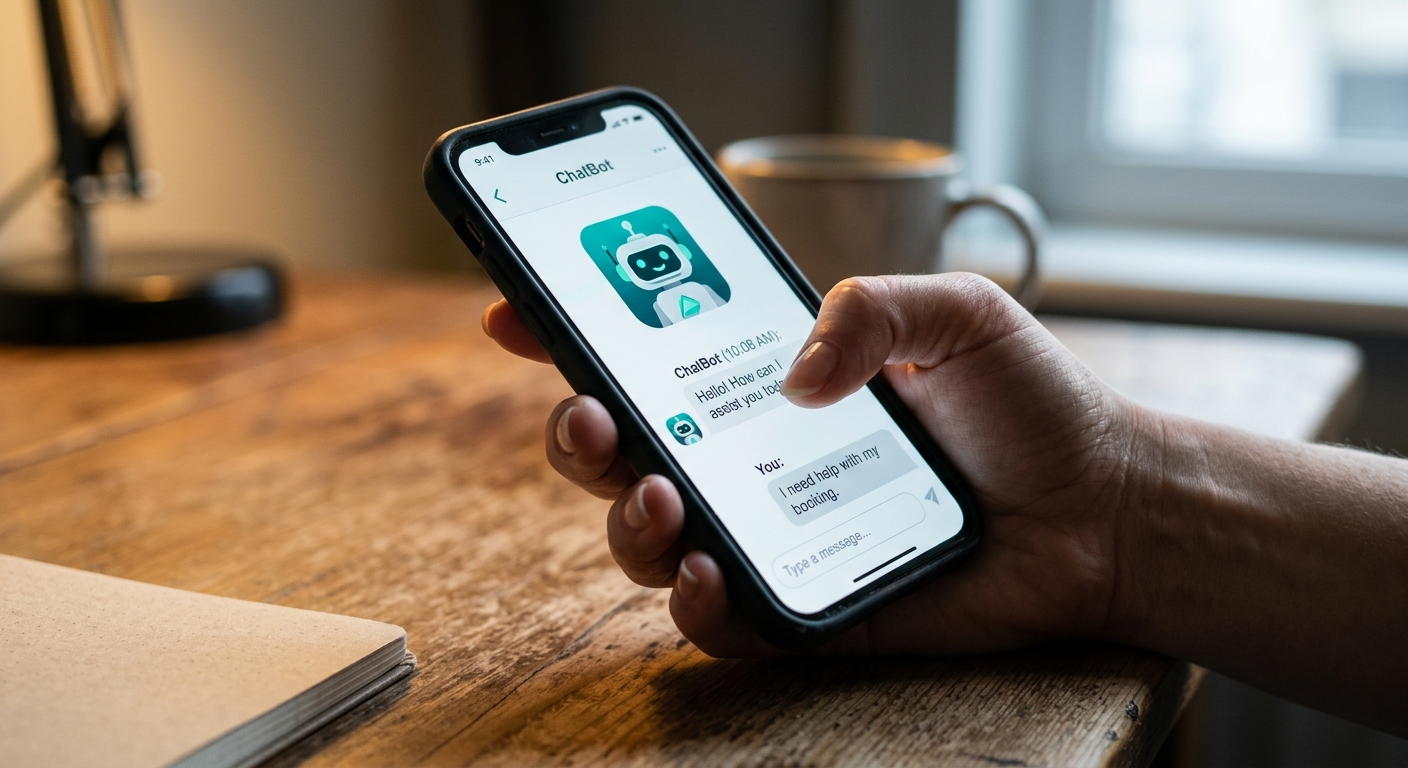
House Bill 2225, also signed on March 24, 2026, makes Washington the first state to enact a dedicated AI chatbot safety law specifically designed to protect minors from harmful and manipulative AI content.
Disclosure Requirements
The law establishes mandatory human/AI disclosure schedules:
| User Category | Disclosure Frequency |
|---|---|
| All users | At the start of every conversation |
| Adult users (18+) | Every 3 hours during ongoing conversations |
| Minor users (under 18) | Every hour during ongoing conversations |
Protections for Minors
When a chatbot operator knows or should know the user is under 18, or when the chatbot is directed at minors, the operator must:
- Implement reasonable measures to prevent generating sexually explicit content or suggestive dialogue
- Prohibit manipulative engagement techniques, including prompting minors to return for emotional support or companionship
- Block excessive praise designed to foster emotional attachment or prolong use
- Prevent soliciting gift-giving, in-app purchases, or other spending to maintain the AI relationship
Self-Harm and Crisis Protocols
AI chatbot operators must implement protocols that:
- Prevent chatbots from encouraging or providing information on suicide, self-harm, or eating disorders
- Flag conversations that reference self-harm
- Connect users experiencing crisis with mental health services
Enforcement
Violations of HB 2225 are actionable under Washington's Consumer Protection Act, providing both public enforcement through the Attorney General and a private right of action allowing individuals to sue non-compliant companies.
SB 5984: AI Companion Chatbot Regulation (Pending)
Senate Bill 5984, requested by Governor Ferguson, passed the Washington Senate by a 38 to 11 vote. As of March 2026, the bill is in the House Rules committee.
Key Provisions
SB 5984 would require chatbots to give users hourly reminders that they are communicating with AI rather than a human. Developers would also be required to implement suicidal ideation detection and prevention protocols and regularly report data on compliance and incidents.
Relationship to HB 2225
SB 5984 and HB 2225 address overlapping concerns about AI chatbot safety. While HB 2225 has been signed into law, SB 5984 could add additional requirements or reinforce existing protections if it completes the legislative process.
AI Task Force: ESSB 5838 (2024)
The Washington State Legislature established the Artificial Intelligence Task Force through ESSB 5838 in 2024. Administered by the Attorney General's office, the Task Force is charged with evaluating current and potential uses of AI in Washington and recommending regulatory and legislative actions.
Reports and Timeline
ESSB 5838 requires the Task Force to produce three reports:
| Report | Release Date |
|---|---|
| Preliminary Report | December 30, 2024 |
| Interim Report | December 1, 2025 |
| Final Report | Due July 1, 2026 |
Eight Key Recommendations
The Task Force's interim report delivered eight policy recommendations to the Governor and legislature:
- Adopt NIST ethical and trustworthy AI principles as the guiding framework for AI development and use in Washington
- Require AI developers to publicly disclose information about datasets used for training AI models
- Mandate that developers and deployers of high-risk AI systems implement and publicly disclose robust AI governance frameworks and risk management strategies
- Ensure that clinical decisions involving health services are made by qualified professionals, even when AI tools are used
- Increase investments to improve K-12 STEM education and integrate AI tools
- Expand access to broadband to support AI adoption statewide
- Address the regulatory gap created by the federal government's "hands-off approach" to AI
- Balance innovation with protection of individual rights, privacy, and economic well-being
Significance
The Task Force's interim report notably stated that the federal government has largely maintained a "hands-off approach" to the AI sector, creating a "crucial regulatory gap that leaves Washingtonians vulnerable." This framing has informed Washington's more proactive approach to AI regulation compared to many other states.
AI in Employment: HB 1672
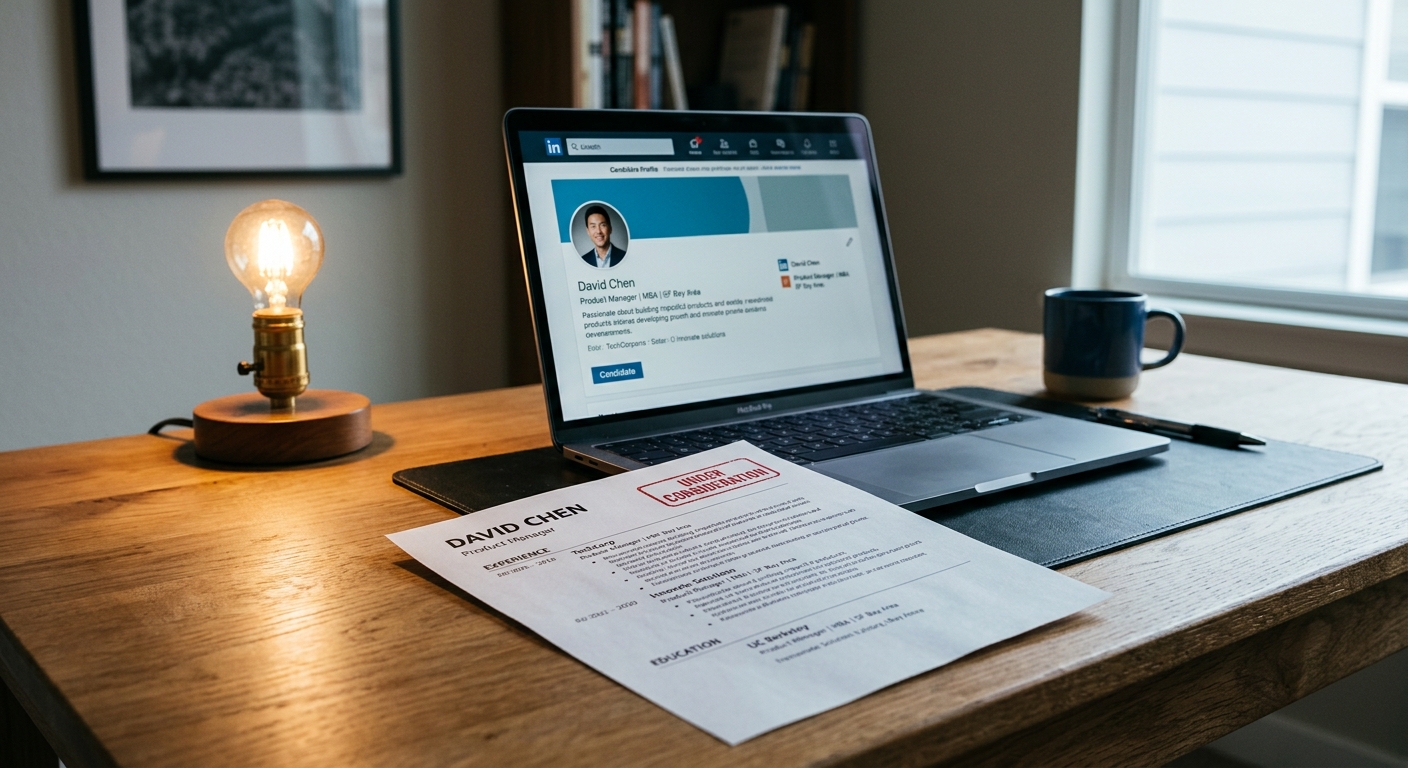
Washington has enacted significant legislation regulating employer use of AI and electronic monitoring through HB 1672, which takes effect on July 1, 2026.
Electronic Monitoring Requirements
Employers must provide detailed advance written notice to employees before implementing any electronic monitoring. The notice must specify the form of monitoring, its purpose, and how collected data will be used.
Prohibited Practices
The law bans several employer monitoring practices:
- Tracking employees during off-duty hours
- Using facial recognition technology in the workplace
- Monitoring private spaces such as bathrooms and locker rooms
Automated Decision System Restrictions
HB 1672 places specific limits on employer use of automated decision systems:
- Employers may not use automated decision system outputs regarding an employee's physical or mental health in employment-related decisions
- Employers may not use automated decision systems to make predictions about an employee's emotions or personality
- Human oversight and impact assessments are required for automated decision systems used in employment
Penalties
The Department of Labor and Industries has authority to investigate complaints. Violations can result in civil penalties of up to $10,000. The law also includes anti-retaliation protections for employees who exercise their rights under the statute.
Federal AI Policy and Washington
Executive Order 14365
Federal AI policy under Executive Order 14365 (December 2025) creates potential tension with Washington's proactive regulatory approach. The executive order establishes mechanisms to challenge state AI laws and favors lighter-touch federal regulation.
Washington's Response
Washington's AI Task Force has explicitly acknowledged this tension, noting in its interim report that the federal government's "hands-off approach" creates regulatory gaps. This perspective contrasts with the EO 14365 framework, which views state regulation as a potential obstacle to AI innovation.
Areas of Overlap
Content disclosure (HB 1170): The AI disclosure and watermarking requirements could face scrutiny under federal preemption arguments, though consumer protection has traditionally been a state prerogative.
Child safety (HB 2225): AI chatbot protections for minors fall squarely within the protected child safety carve-out recognized by EO 14365.
Employment regulation (HB 1672): Workplace regulation is traditionally a state function, and Washington's employment AI restrictions are likely defensible under existing state authority.
Deepfake laws: Washington's layered approach to deepfake regulation (election, intimate images, general forged likenesses) targets specific criminal conduct rather than AI development broadly, reducing vulnerability to preemption challenges.
Washington's AI Regulatory Landscape
Washington's approach to AI regulation stands out for several reasons:
Layered deepfake protections: The state has built a comprehensive framework addressing deepfakes across elections (2023), intimate images (2024), and general forged likenesses (2025), each targeting distinct harms with tailored legal tools.
First-mover on chatbot safety: HB 2225 makes Washington the first state with an enacted AI chatbot safety law specifically designed to protect minors, setting a potential template for other states.
Task Force-driven policy: The AI Task Force's systematic study and recommendations provide an evidence-based foundation for legislation, connecting technical expertise with legislative action.
Strong enforcement mechanisms: Washington consistently ties AI regulations to the Consumer Protection Act, providing both public enforcement through the Attorney General and private rights of action for affected individuals.
Proactive stance on federal gaps: Unlike states that have deferred to federal AI policy, Washington has explicitly identified federal inaction as a problem and moved to fill regulatory gaps at the state level.
More Washington Laws
Explore other Washington law topics on Recording Law:
- Washington Recording Laws
- [Washington Data Privacy Laws](/us-laws/data-privacy-laws/washington-data-privacy-laws)
- Washington Whistleblower Laws
- Washington Sexting Laws
Sources and References
- Washington AI Task Force(atg.wa.gov).gov
- SB 5152 - Synthetic Media in Elections (Sen. Valdez)(senatedemocrats.wa.gov).gov
- RCW 9A.86 - Disclosing Intimate Images(app.leg.wa.gov).gov
- HB 1205 - Forged Digital Likenesses (Session Law)(lawfilesext.leg.wa.gov).gov
- HB 1170 - AI Disclosure Law (Bill Summary)(app.leg.wa.gov).gov
- HB 2225 - AI Chatbot Safety (Bill Summary)(app.leg.wa.gov).gov
- HB 1672 - Employer Technology Use (Bill Summary)(app.leg.wa.gov).gov
- AI Task Force Interim Report (December 2025 PDF)(agportal-s3bucket.s3.us-west-2.amazonaws.com).gov
- AI Task Force Policy Recommendations Press Release(atg.wa.gov).gov
- Secretary of State Deepfake Voter Alert(sos.wa.gov).gov
- Washington enacts first AI chatbot safety law(king5.com)
- Washington passes AI laws for misinformation and minors(kuow.org)