Finland Data Privacy Laws: GDPR Implementation Guide (2026)

Finland stands out in the European data protection landscape for its unusually strict approach to employee privacy. While all EU member states must comply with the GDPR, Finland goes further than most by maintaining a dedicated law that governs how employers can handle their workers' personal data.
This guide covers Finland's complete data protection framework, from the implementing legislation to enforcement practices and the unique provisions that set Finland apart from its EU neighbors.
Legal Framework and GDPR Implementation
Finland's data protection system is built on several legal instruments working together. The GDPR applies directly as EU law, while the Data Protection Act (1050/2018) supplements it with national provisions where the regulation permits member state flexibility.
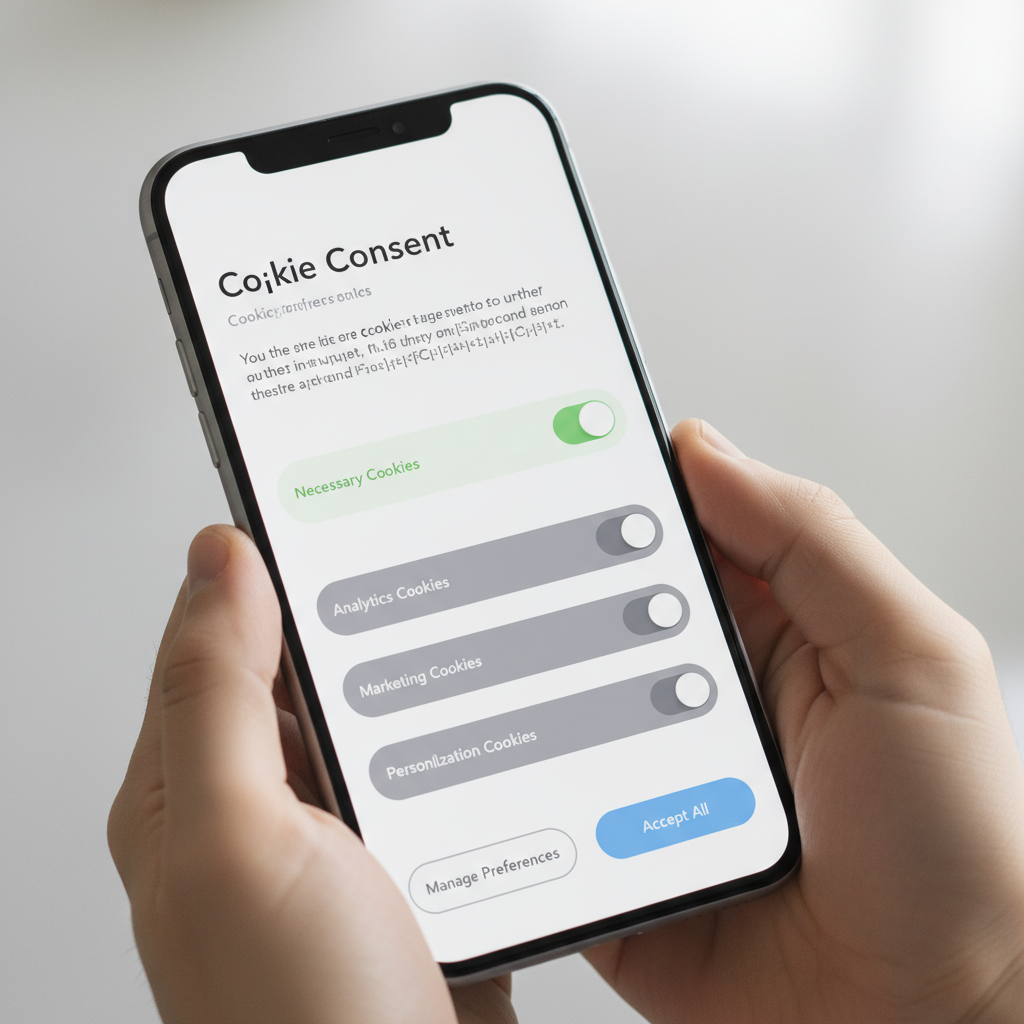
The Data Protection Act entered into force on 1 January 2019, replacing Finland's earlier Personal Data Act. It specifies how the GDPR is to be applied nationally, addressing topics including the processing of personal identity codes, the age of digital consent, processing for journalistic purposes, and the administrative structure of the supervisory authority.
Supplementary Legislation
Beyond the main Data Protection Act, Finland's data protection landscape includes several additional laws that affect how personal data may be processed in specific contexts.
The Act on the Protection of Privacy in Working Life (759/2004) is perhaps the most significant supplementary law. It establishes detailed rules for how employers may process employee data, going well beyond what the GDPR requires.
The Information Society Code addresses electronic communications privacy, implementing the ePrivacy Directive and establishing rules for cookies, direct marketing, and communications confidentiality.
Finland also has sector-specific data protection provisions in healthcare legislation, social services law, and public sector transparency statutes.
Constitutional Foundation
Data protection has constitutional status in Finland. Section 10 of the Finnish Constitution protects the right to privacy, and Section 12 guarantees freedom of expression, creating a constitutional framework that courts reference when balancing data protection against other fundamental rights.
Importantly, the Finnish Constitution treats all electronic communications as confidential. This constitutional protection extends to employee email and other workplace communications, creating a foundation for Finland's strict employee monitoring rules.
The Data Protection Ombudsman
The Office of the Data Protection Ombudsman (Tietosuojavaltuutetun toimisto) is Finland's independent supervisory authority responsible for monitoring and enforcing data protection law.
The office is headed by the Data Protection Ombudsman and two Deputy Data Protection Ombudsmen, all appointed by the Finnish government for five-year terms. Each of these three officials has independent decision-making authority, meaning any of them can issue binding decisions on data protection matters.
The Sanctions Board
The three officials collectively form a Sanctions Board, which is responsible for imposing administrative fines under the GDPR. This collegial structure for fine decisions provides an additional layer of deliberation before significant penalties are imposed.
The Sanctions Board model means that fine decisions in Finland involve three senior officials rather than a single decision-maker. This structure was designed to ensure thorough consideration of penalty cases and consistency in fine amounts.
Powers and Functions
The Data Protection Ombudsman holds the standard range of GDPR supervisory powers. The office can conduct investigations and audits, issue orders requiring controllers to bring processing into compliance, impose temporary or permanent bans on processing, order the rectification or erasure of personal data, and refer matters to the Sanctions Board for administrative fines.
The office also maintains an advisory role, providing guidance on data protection compliance and issuing opinions on proposed legislation. The Ombudsman publishes an annual report detailing enforcement activities, complaint statistics, and strategic priorities.
Fines and Penalties
Finland follows the GDPR's standard administrative fine structure. The Sanctions Board can impose fines of up to EUR 10 million or 2% of worldwide annual turnover for certain violations, and up to EUR 20 million or 4% of worldwide annual turnover for more serious infringements.
Criminal Penalties
Beyond administrative fines, Finland maintains criminal sanctions for certain data protection violations. Under the Finnish Criminal Code, breaches of the GDPR or national data protection law may constitute a data protection offense punishable by a fine or imprisonment of up to one year.
This criminal dimension adds meaningful enforcement weight, as individuals responsible for serious data protection violations may face personal criminal liability in addition to the administrative fines imposed on their organizations.
Notable Enforcement Actions
The Finnish Data Protection Ombudsman has been active in enforcement since the GDPR came into effect.
Three Early Fines (2020): The Finnish DPA imposed its first three administrative fines in 2020. These included a EUR 100,000 fine against Posti Group (the Finnish postal service) for inadequate transparency in processing personal data of recipients of unaddressed direct marketing, and fines against two other entities for various GDPR violations.
Employee Location Monitoring Cases: The Ombudsman has pursued several cases involving employer monitoring of employee locations through vehicle tracking and other systems. In multiple instances, organizations were found to have implemented location monitoring without conducting required data protection impact assessments.
Personal Identity Code Cases: The authority has also acted against organizations that required unnecessary personal identification for processing data subject access requests, emphasizing that verification procedures must be proportionate.
Employee Privacy: The Strictest Rules in Europe
Finland's Act on the Protection of Privacy in Working Life is widely regarded as one of the most restrictive employee data protection laws in the European Union.
The Necessity Requirement
The cornerstone of Finnish employee privacy law is the necessity requirement. Employers may only process personal data that is directly necessary for the employment relationship. This standard applies regardless of how the data was obtained and cannot be waived even with the employee's explicit consent.
This means that an employee cannot consent to their employer processing data that is not directly necessary for the employment relationship. The law recognizes the inherent power imbalance in employment and concludes that employee consent cannot be truly voluntary in this context.
Email and Communications Monitoring
All communications received at an employee's company email address are treated as confidential communications under the Finnish Constitution. Employers cannot monitor, read, or intercept employee emails as a general rule.
There are narrowly defined exceptions. An employer may access an employee's email in specific circumstances, such as when the employee is unexpectedly absent and the employer has reasonable grounds to believe that business-critical messages have been sent or received. Even in these situations, the access must be conducted under strict procedural safeguards.
Drug Testing and Health Data
The Act on the Protection of Privacy in Working Life includes specific provisions on when employers may require drug testing and how health-related data may be processed. Drug testing is only permitted for certain safety-sensitive positions and must follow detailed procedural requirements. Health certificates and medical information may only be processed by specifically designated personnel within the employer's organization.
Camera Surveillance in the Workplace
Employers may use camera surveillance in the workplace, but only for specific justified purposes: ensuring employee safety, protecting property, monitoring production processes, or preventing and investigating situations that endanger safety or security. Cameras may not be directed at specific employees, and surveillance of break rooms, changing rooms, or toilets is prohibited.
Background Checks
Employers may only obtain credit reports on job applicants or employees for positions involving significant financial responsibility. The use of background checks is limited to situations where the nature of the position genuinely warrants them.
Personal Identity Code Processing
The Finnish personal identity code (henkilotunnus) receives special protection under the Data Protection Act. The Act establishes specific rules about when and how this identifier may be processed.
A personal identity code may be processed when the data subject has given consent, when processing is provided for in law, or when unambiguous identification of the data subject is important for a specific purpose. The controller must ensure that the personal identity code is not unnecessarily included in printed documents or outputs from data files.
These provisions reflect the importance of the personal identity code in Finnish society, where it functions as a key identifier across government and private sector systems.
Age of Digital Consent
Finland set the age of digital consent at 13 years old. Children aged 13 and older may consent to information society services independently, without requiring parental authorization. For children under 13, consent must be given or authorized by a parent or legal guardian.
Like Denmark and Portugal, Finland chose the lowest threshold permitted under the GDPR, reflecting a Nordic approach that emphasizes children's digital autonomy alongside appropriate protections for younger children.
Data Breach Notification
Standard GDPR breach notification rules apply in Finland. Data controllers must notify the Data Protection Ombudsman within 72 hours of becoming aware of a personal data breach that is likely to result in a risk to individuals' rights and freedoms.
When a breach poses a high risk to affected individuals, the controller must also notify those individuals without undue delay. The Data Protection Ombudsman provides guidance and notification procedures on its website.
International Data Transfers
Finland follows the GDPR's standard framework for international data transfers. Transfers to countries outside the EEA require an adequacy decision from the European Commission, appropriate safeguards such as Standard Contractual Clauses or Binding Corporate Rules, or one of the GDPR's specific derogations.
The Finnish Data Protection Ombudsman has aligned with European Data Protection Board guidance on transfer mechanisms and has been attentive to the implications of Schrems II for Finnish organizations using cloud services and other international data processing arrangements.
Recent Developments
Finland's data protection landscape continues to evolve alongside broader EU digital regulation. The Cybersecurity Act entered into force in April 2025, implementing the NIS2 Directive and creating new obligations for entities operating essential and important services.
The EU Data Act became mostly applicable in September 2025, with certain provisions phasing in through 2026. The Data Protection Ombudsman has been designated as one of the authorities supervising compliance with the Data Act's provisions that intersect with personal data protection.
These developments expand the regulatory landscape that Finnish organizations must navigate and increase the coordination demands on the Data Protection Ombudsman's office.
Practical Compliance Tips
Organizations operating in Finland should pay particular attention to the employee privacy requirements. The necessity principle under the Act on the Protection of Privacy in Working Life is stricter than general GDPR standards, and relying on employee consent does not provide an exception.
Review any employee monitoring systems, including email access policies, location tracking, camera surveillance, and background check procedures, to ensure they comply with Finnish-specific requirements. Many practices that are common in other EU member states may not be permissible in Finland.
Ensure that personal identity code processing is limited to situations where it is genuinely necessary and that codes are not routinely included in printed documents or reports.
For organizations processing children's data, implement age verification reflecting Finland's 13-year consent threshold.
Disclaimer: This article provides general information about Finland's data privacy laws and is not legal advice. Data protection laws change frequently. Consult a qualified attorney licensed in Finland for guidance on your specific situation.
Sources and References
- Office of the Data Protection Ombudsman(tietosuoja.fi).gov
- DLA Piper - Finland(dlapiperdataprotection.com)
- Ministry of Economic Affairs - Privacy at Work(tem.fi).gov
- EDPB - Finnish DPA Fines(edpb.europa.eu).gov
- White and Case - GDPR Finland(whitecase.com)
- GDPRhub - Finland(gdprhub.eu)