Lemon Laws in the United States (2026): Complete Guide
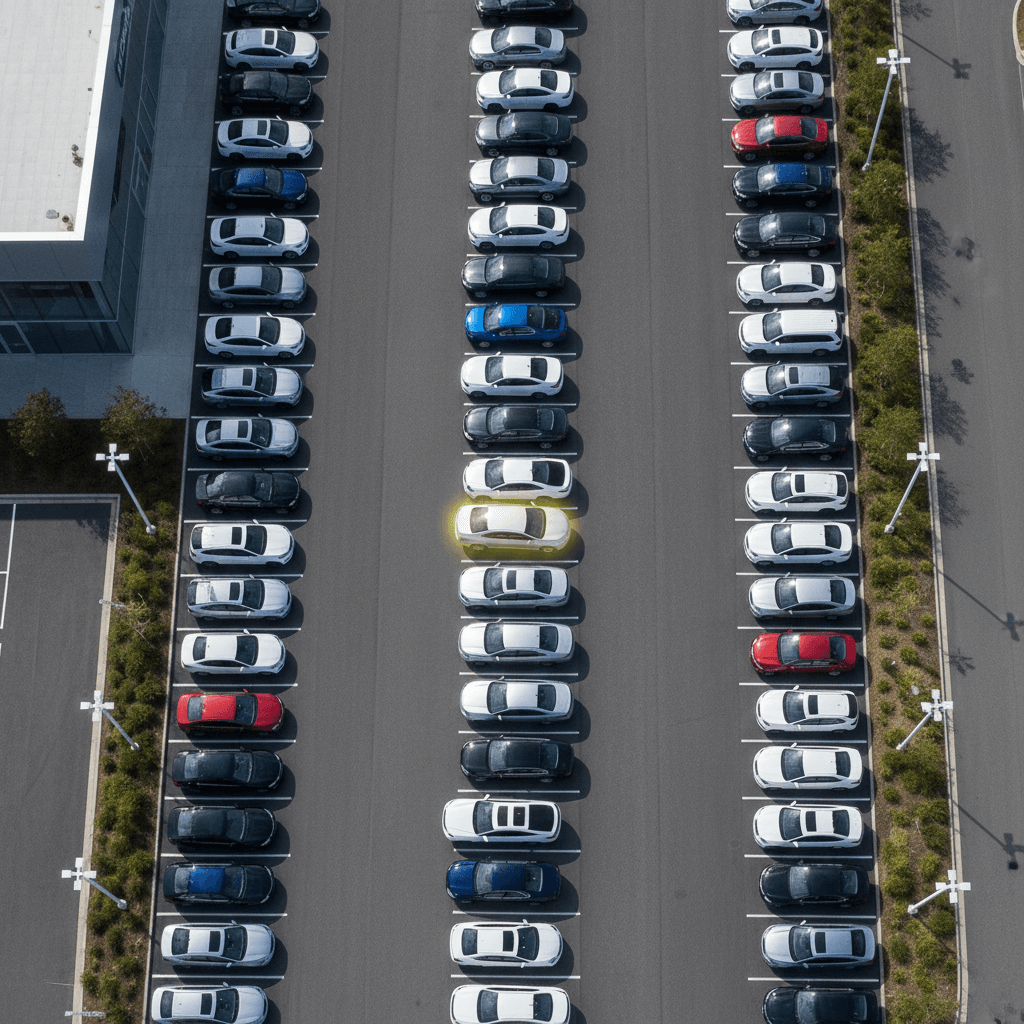
Lemon laws protect consumers who purchase vehicles with defects that the manufacturer cannot repair after a reasonable number of attempts. Every state has a lemon law covering new vehicles, though the specific protections, thresholds, and remedies vary significantly from state to state.
This guide explains how lemon laws work, what qualifies a vehicle as a lemon, how federal and state protections interact, and which states offer the strongest consumer protections.
How Lemon Laws Work
State lemon laws share a common framework. When a new vehicle has a defect that substantially impairs its use, value, or safety, and the manufacturer or its authorized dealer cannot fix the problem after a reasonable number of repair attempts, the manufacturer must provide a refund or replacement.
Common Elements Across States
Every state lemon law requires:
- The vehicle must have a defect that substantially impairs its use, value, or safety
- The defect must be covered under the manufacturer's warranty
- The manufacturer or dealer must be given a reasonable number of repair attempts
- The defect must not result from consumer abuse, neglect, or unauthorized modifications
Typical Presumption Thresholds
Most states create a "rebuttable presumption" that a vehicle is a lemon when certain conditions are met. The manufacturer can try to disprove this presumption, but the burden shifts to them.
| Condition | Most Common Threshold |
|---|---|
| Repair attempts for the same defect | 3 to 4 attempts |
| Repair attempts for safety defects (brakes, steering) | 1 to 2 attempts |
| Cumulative days out of service | 30 calendar days |
| Coverage period | 12 to 24 months or 12,000 to 24,000 miles from delivery |
Remedies: Refund or Replacement
Refund (buyback): The manufacturer repurchases the vehicle for the full purchase price, including taxes, registration fees, finance charges, and incidental costs like towing and rental cars. A "reasonable use" deduction is subtracted based on miles driven before the first repair attempt. The standard formula is:
Mileage Offset = (Purchase Price x Miles at First Repair) / 120,000
Replacement: The manufacturer provides a comparable new vehicle with the same or similar features, plus all applicable warranties.
Federal Protection: The Magnuson-Moss Warranty Act
The Magnuson-Moss Warranty Act (15 U.S.C. 2301-2312) is the federal law governing consumer product warranties. It does not replace state lemon laws but provides an important additional layer of protection.
Key Provisions
- Applies to any consumer product sold with a written warranty, including both new and used vehicles
- Does not require manufacturers to provide a warranty, but regulates the warranty if one is given
- Requires warranty terms be written in "simple and readily understood language"
- Anti-tying provision: manufacturers cannot condition warranty coverage on using specific branded parts or services (Section 2302(c))
- Prevailing consumers can recover attorney fees and court costs
- Provides access to federal court for warranty disputes
When Federal Law Helps Most
The Magnuson-Moss Act is particularly valuable when:
- The vehicle is used and the state lemon law does not apply
- The vehicle is used for commercial purposes and excluded from state coverage
- The state filing deadline has passed but the federal 4-year statute of limitations has not
- The state law does not provide for attorney fees
- The state does not cover leased vehicles
Consumers can pursue claims under both federal and state law simultaneously.
Informal Dispute Settlement (16 CFR Part 703)
If a manufacturer requires consumers to use an informal dispute settlement mechanism (arbitration) before going to court, the program must comply with FTC regulations under 16 CFR Part 703. These regulations require neutral funding, qualified decision-makers, fair procedures, recordkeeping, and annual audits.
Lemon Laws by State
Select your state for a detailed guide to lemon law qualifications, repair attempt thresholds, remedies, and how to file a claim.
States with the Strongest Lemon Laws
Based on rankings from the Center for Auto Safety, which scores states on coverage, presumption standards, remedies, and enforcement:
New Jersey ranks first with a score of 84 out of 100. New Jersey requires only 3 repair attempts or 20 days out of service. The state covers both new and used vehicles (up to 7 model years old, under 100,000 miles). Title branding is required for buyback vehicles.
Washington ranks second with 83 out of 100. Washington provides broad coverage and strong enforcement mechanisms.
California has historically been among the strongest, with the Song-Beverly Consumer Warranty Act providing comprehensive protections. However, significant changes in 2024-2025 have altered some aspects of the law (see Recent Changes below).
New York covers both new and used cars and operates a state-run arbitration program. New car protection lasts 2 years or 18,000 miles.
Massachusetts uses a lower out-of-service threshold of 15 business days (compared to 30 calendar days in most states). The state's used car lemon law covers vehicles under 125,000 miles.
States with the Weakest Lemon Laws
Illinois ranks last (51st) with a score of negative 3. Coverage is limited and enforcement mechanisms are weak.
Colorado excludes many vehicle types and limits coverage to just 1 year from delivery.
Kentucky restricts both the presumption period and refund/replacement period to the earlier of 12 months or 12,000 miles.
Nevada does not cover leased vehicles, limiting protections for a significant portion of consumers.

Used Car Lemon Laws
Most state lemon laws apply only to new vehicles. However, about 7 states have enacted separate used car lemon laws providing warranty protections for used vehicle buyers.
| State | Maximum Mileage | Minimum Price | Warranty Period |
|---|---|---|---|
| Connecticut | No specific limit | $3,000+ | 30 days/1,500 mi ($3K-$5K); 60 days/3,000 mi ($5K+) |
| Hawaii | Under 75,000 miles | $1,500+ | 30-90 days depending on mileage |
| Massachusetts | Under 125,000 miles | $700+ | 30-90 days based on mileage |
| Minnesota | Under 75,000 miles | N/A | 60 days/2,500 mi (under 36K); 30 days/1,000 mi (36K-75K) |
| New Jersey | Under 100,000 miles | $3,000+ | 3 attempts or 20 days triggers remedies |
| New York | Under 100,000 miles | $1,500+ | 90 days/4,000 mi to 30 days/1,000 mi (tiered by mileage) |
| Rhode Island | Under 100,000 miles | N/A | 60 days/3,000 mi (under 36K); 30 days/1,000 mi (36K-100K) |
Used car buyers in other states may still have protections under:
- Remaining manufacturer warranty (if still active)
- Federal Magnuson-Moss Warranty Act (for vehicles sold with a written warranty)
- Implied warranty of merchantability (vehicles must be reasonably fit for their ordinary purpose)
- State deceptive trade practices acts (if the dealer misrepresented the vehicle's condition)
Recent Changes (2024-2026)
California: Major Lemon Law Reforms
AB 1755 (signed September 29, 2024) introduced significant changes to California's Song-Beverly Consumer Warranty Act:
- Claims must be filed within 1 year of warranty expiration, with an absolute 6-year cap from delivery
- Starting April 1, 2025, consumers must send written notice to the manufacturer at least 30 days before filing a lawsuit seeking civil penalties
- Manufacturers must respond within 30 days and complete the buyback or replacement within 60 days, or face $50-per-day penalties
SB 26 (signed April 2, 2025) streamlined the AB 1755 process by creating an opt-in framework where manufacturers make an irrevocable 5-year election to operate under new streamlined procedures.
California Supreme Court ruling (October 31, 2024) held that used vehicles with remaining manufacturer warranties do not qualify as "new motor vehicles" under the Song-Beverly Act. This reversed decades of precedent and means used car buyers in California can no longer access the state lemon law refund-or-replace remedy, even if the vehicle was purchased during its original warranty period.
Electric Vehicle Considerations
States are adapting lemon laws to address EV-specific issues including battery degradation, charging system failures, and software defects. California mandates a 10-year/150,000-mile EV battery warranty. Federal law requires an 8-year/100,000+ mile battery warranty. Battery warranties typically guarantee 70-80% capacity retention.
The legal question of whether over-the-air (OTA) software update issues constitute "defects" under lemon law or expected software behavior remains unsettled.
Tips for Filing a Lemon Law Claim
-
Document everything from day one. Keep every repair order, invoice, receipt, and written communication. Each time you visit the dealer, get a copy of the repair invoice.
-
Report defects in writing. Written records create a paper trail. Send letters by certified mail with return receipt.
-
Be specific and consistent. Describe the exact symptoms every time you report the problem. Consistent documentation of the same recurring defect strengthens your case.
-
Let the dealer attempt repairs. You must give the manufacturer a "reasonable number" of attempts. Do not go to independent mechanics for warranty repairs.
-
Track repair attempts and days out of service. Note the date and mileage at every visit. Count cumulative days the vehicle was at the dealer for repairs.
-
Check if arbitration is required. Some states require use of a manufacturer's certified dispute resolution program before filing suit. Review your warranty and state law.
-
File complaints with your state AG and NHTSA. State consumer protection offices can investigate. NHTSA complaints help identify safety defect trends.
-
Understand the mileage offset. Any buyback will deduct for "reasonable use" based on miles driven before the first repair attempt, not at the time of buyback.
-
Consider the Magnuson-Moss Act. If your state law does not cover your situation, the federal law may provide a remedy for any vehicle sold with a written warranty.
-
Do not sign anything waiving your rights. Some states explicitly void consumer right waivers. No document from a dealer or manufacturer can take away your lemon law protections.
Lemon Law Buyback and Branded Titles
When a manufacturer repurchases a vehicle under a lemon law, most states require the title to be permanently branded with a designation such as "Lemon Law Buyback" or "Manufacturer Buyback." This branding serves as a warning to all future buyers.
Manufacturers can resell buyback vehicles, but they must disclose the lemon history in writing. The disclosure must include the VIN, the nature of each defect, and whether the title carries a branded designation.
Consumers considering a used vehicle should always check the vehicle history through NMVTIS, Carfax, or AutoCheck to identify any lemon law or salvage history.
Sources and References
- Magnuson-Moss Warranty Act - FTC(ftc.gov).gov
- FTC Businessperson's Guide to Federal Warranty Law(ftc.gov).gov
- 16 CFR Part 703 - Informal Dispute Settlement Procedures(ecfr.gov).gov
- NHTSA - Lemon Law Protection(nhtsa.gov).gov
- USAGov - Where to File a Car Complaint(usa.gov).gov
- 15 U.S.C. Chapter 50 - Consumer Product Warranties(law.cornell.edu)
- California DCA - New Lemon Law Procedures (AB 1755)(dca.ca.gov).gov
- Massachusetts Guide to Used Vehicle Warranty Law(mass.gov).gov
- New Jersey Used Car Lemon Law(njconsumeraffairs.gov).gov
- New York Used Car Lemon Law(ag.ny.gov).gov