Wisconsin Lemon Law: Your Complete Legal Guide

What Vehicles Are Covered
Wisconsin has one of the broadest vehicle coverage provisions of any state lemon law.
Covered Vehicle Types
- Standard motor vehicles: Any motor driven vehicle required to be registered under Wisconsin law
- Vehicles exempt from registration: Covered if exempt as nonresident or foreign-registered vehicles
- Demonstrator vehicles: Vehicles used primarily for demonstration to the public
- Executive vehicles: Vehicles used primarily by manufacturer, distributor, or dealer executives
- Motorcycles: Fully covered under the law
- Motor homes: Including living quarters components
- Heavy-duty vehicles: Vehicles with GVWR over 10,000 pounds (with some modified provisions)
- Leased vehicles: Vehicles leased under written lease agreements
Vehicles NOT Covered
- Mopeds
- Semitrailers
- Trailers designed for use in combination with a truck or truck tractor
- Previously owned (used) vehicles
Consumer Definition
Wisconsin defines "consumer" broadly to include:
- Purchasers of new motor vehicles from dealers (not for resale)
- Transferees receiving the vehicle before warranty expiration (not for resale)
- Persons who may enforce the warranty
- Persons who lease a motor vehicle under a written lease
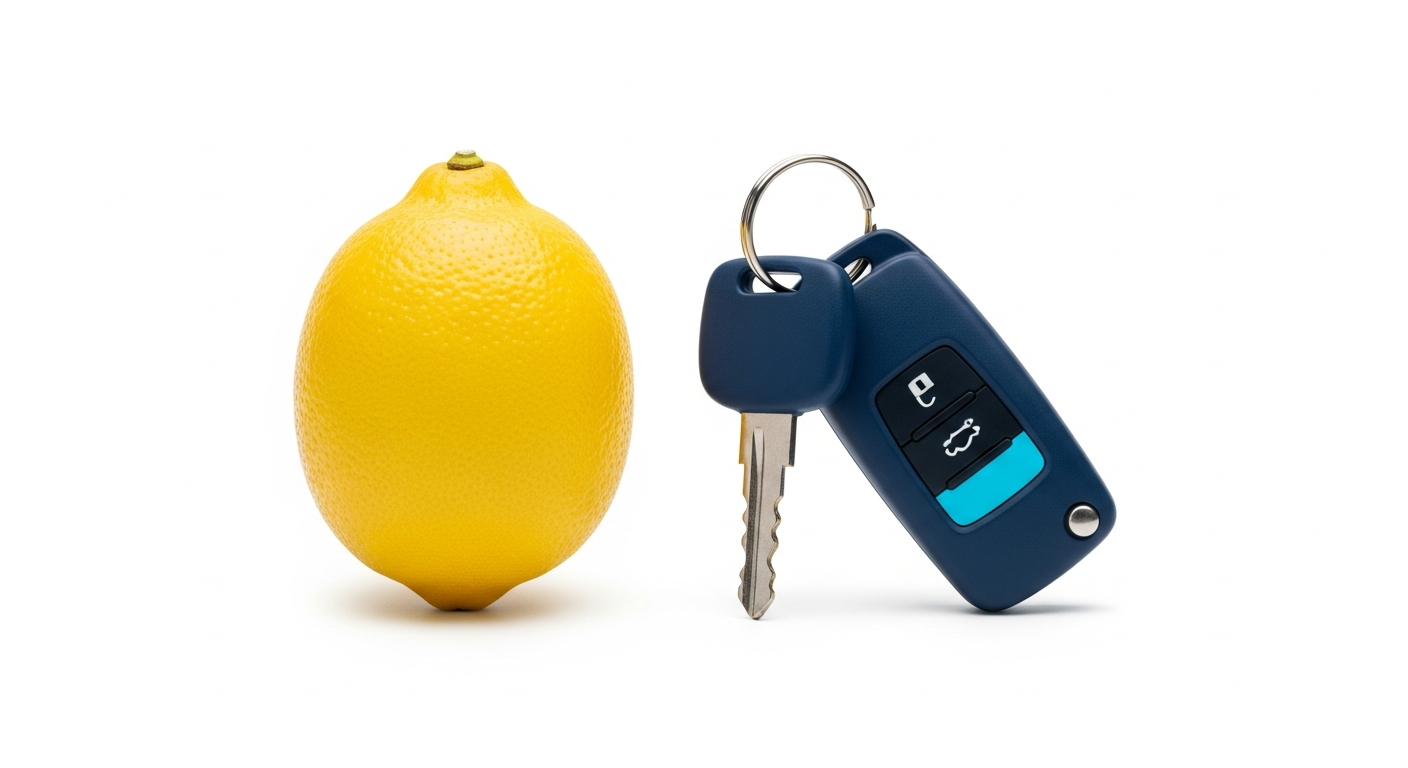
Wisconsin's Lemon Law Presumption
Under Wis. Stat. § 218.0171(1)(h), Wisconsin law defines a "reasonable attempt to repair" as occurring when certain conditions are met within the warranty period or one year after first delivery, whichever is sooner.
The Lemon Law Presumption Applies When:
| Condition | Requirement | Details |
|---|---|---|
| Repair Attempts (Same Problem) | 4 or more attempts | Same nonconformity subject to repair and continues to exist |
| Days Out of Service | 30 or more aggregate days | Vehicle out of service because of warranty nonconformities |
| Coverage Period | Warranty term OR 1 year | Whichever is sooner from date of first delivery |
What Counts as "Out of Service"?
Wisconsin specifically defines "out of service" as occurring when:
- The vehicle is in the possession of the manufacturer, motor vehicle lessor, or any authorized dealer for repairs or repair attempts, OR
- The vehicle is in the consumer's possession AND has a nonconformity that substantially affects use or safety AND has been subject to at least 2 repair attempts
Exclusions from 30-Day Calculation
Time during which repair services are not available due to the following may NOT be included in the 30-day out of service period:
- Flood or other natural disaster
- War
- Invasion
- Fire
- Strike
What Qualifies as a "Nonconformity"?
A nonconformity is a condition or defect that:
- Substantially impairs the use, value, or safety of a motor vehicle
- Is covered by an express warranty applicable to the vehicle or a component
A condition or defect caused by abuse, neglect, or unauthorized modification or alteration by a consumer does NOT qualify as a nonconformity.
Consumer Remedies: Refund vs. Replacement
After a reasonable attempt to repair, Wisconsin gives consumers the choice between a replacement vehicle or a full refund. The consumer must provide the manufacturer with a specific state-prescribed form to make their election.
Option 1: Replacement Vehicle
If the consumer elects a replacement, the manufacturer must:
- Accept return of the nonconforming motor vehicle
- Provide a comparable new motor vehicle
- Refund any collateral costs
Timeline for Replacement (Standard Vehicles)
- Within 30 days: Manufacturer must agree in writing to provide a comparable new vehicle or a refund
- Within 45 days: Manufacturer must either provide the replacement or the refund
- If a comparable vehicle cannot be found, manufacturer retains the right to provide a refund instead
Timeline for Replacement (Heavy-Duty Vehicles)
- Within 30 days: Manufacturer must agree in writing to provide a comparable new vehicle or a refund
- Within 120 days: Manufacturer must provide the replacement or refund (extended timeline for heavy-duty vehicles)
Option 2: Full Refund
If the consumer elects a refund, the manufacturer must provide:
- Full purchase price: The complete price paid for the vehicle
- Sales tax: All applicable taxes
- Finance charges: Interest and fees paid
- Amount paid at point of sale: Down payments and other charges
- Collateral costs: Expenses incurred in connection with repairs, including alternative transportation costs
Usage Deduction: The manufacturer may deduct a reasonable allowance for use, calculated as follows:
Usage Deduction = (Full Purchase Price × Miles Before First Report) ÷ 100,000
For motorcycles, the denominator is 20,000 instead of 100,000.
Payment Timeline
The refund must be provided no later than 30 days after the consumer offers to transfer title of the vehicle to the manufacturer.
Process for Receiving Remedy
To receive a refund or replacement:
- Consumer must provide the manufacturer with the state-prescribed form
- Consumer must offer to transfer title of the nonconforming vehicle to the manufacturer
- Consumer must return the vehicle and provide the certificate of title with necessary endorsements
How to File a Lemon Law Claim in Wisconsin
Step 1: Document Everything
- Keep all repair orders and invoices
- Record the dates your vehicle was in the shop or out of service
- Document the symptoms you experienced
- Save all correspondence with the dealer and manufacturer
- Take photos or videos of defects when possible
Step 2: Report the Nonconformity
Report the problem to the manufacturer, motor vehicle lessor, or any authorized dealer and make the vehicle available for repair before the warranty expires or within one year of first delivery, whichever is sooner.
Step 3: Allow Repair Attempts
Give the manufacturer, lessor, or dealer the opportunity to repair the nonconformity. Keep careful records of each repair attempt.
Step 4: Obtain State-Prescribed Form
The Wisconsin Department of Transportation prescribes forms for consumers to elect replacement or refund. These forms are available on the DOT's website.
Step 5: Check for Certified Dispute Settlement Procedure
If a certified informal dispute settlement procedure is available, you must use it before bringing a lawsuit.
Step 6: File Claim or Lawsuit
If the manufacturer fails to provide relief, you may bring a civil action within 36 months after first delivery.

Certified Dispute Settlement Procedures
Wisconsin has a unique system of state-certified informal dispute settlement procedures, overseen by the Department of Transportation.
DOT Certification Requirements
The DOT adopts rules requiring each procedure to:
- Provide rights and procedures at least as favorable as required under federal regulations (16 CFR Part 703)
- Require manufacturers to provide remedies as set forth in the lemon law after a reasonable attempt to repair
DOT Oversight
The Department of Transportation:
- Investigates each informal dispute settlement procedure provided in Wisconsin
- Certifies procedures that comply with state rules
- May revoke certification if procedures no longer comply
- Publishes annual reports evaluating procedures, stating certification status and reasons for any failures
When Dispute Resolution is Required
If a certified informal dispute settlement procedure is available, the consumer may not bring a lawsuit unless he or she first resorts to that procedure.
Manufacturer Licensing Consideration
The DOT may consider whether a manufacturer obtains certification in determining whether to issue a manufacturer's license to do business in Wisconsin.
Leased Vehicle Protections
Wisconsin provides detailed protections for consumers who lease vehicles under written lease agreements.
Refund Calculation for Leased Vehicles
When a leased vehicle qualifies as a lemon, refunds are distributed as follows:
Motor Vehicle Lessor Receives:
The current value of the written lease, calculated as:
- Total amount the lease obligates the consumer for the remaining lease term, PLUS
- The lessor's early termination costs, PLUS
- The value of the vehicle at lease expiration (if stated in the lease), MINUS
- The lessor's early termination savings
Consumer (Lessee) Receives:
- Amount paid under the written lease
- Any sales tax
- Collateral costs
- Less a reasonable allowance for use
Usage Deduction for Leased Vehicles
Usage Deduction = (Total Lease Obligation × Miles Before First Report) ÷ 100,000
Lease Termination
After the consumer receives a refund, no person may enforce the lease against the consumer.
Heavy-Duty Vehicle Provisions
Wisconsin includes special provisions for "heavy-duty vehicles," defined as motor vehicles with a gross vehicle weight rating or actual gross weight of more than 10,000 pounds.
Extended Replacement Timeline
For heavy-duty vehicles, manufacturers have 120 days (instead of 45 days) to provide a comparable new motor vehicle or refund after receiving the consumer's election form.
Negotiated Settlement Option
If a consumer enters into a negotiated written settlement with the manufacturer regarding a heavy-duty vehicle nonconformity, the manufacturer is no longer subject to most lemon law requirements with respect to that vehicle (except disclosure requirements for resale).
Manufacturer Defenses
Wisconsin's lemon law does not create a nonconformity when the condition or defect results from:
| Defense | Manufacturer's Argument | Consumer's Counter |
|---|---|---|
| Consumer abuse | Defect resulted from consumer abuse of the vehicle | Provide evidence of proper use and care |
| Consumer neglect | Defect resulted from consumer neglect | Provide maintenance records showing proper service |
| Unauthorized modification | Defect resulted from modification or alteration not authorized by manufacturer | Show defect existed before modifications or is unrelated |
Failure to Cooperate
If a court finds that any party has failed to reasonably cooperate with another party's efforts to comply with the law, the court may:
- Extend deadlines specified in the statute
- Reduce damages, attorney fees, or costs
- Strike pleadings
- Enter default judgment against the offending party
Resale of Returned Vehicles
Wisconsin requires full disclosure before any vehicle returned under the lemon law can be sold or leased again.
No motor vehicle returned by a consumer or motor vehicle lessor in Wisconsin under the lemon law, or by a consumer or lessor in another state under a similar law, may be sold or leased again in Wisconsin unless full disclosure of the reasons for return is made to any prospective buyer or lessee.
Sales Tax Refund
The Department of Revenue must refund sales tax to:
- The manufacturer (if the manufacturer refunded sales tax to the consumer)
- The consumer (if the manufacturer refunded the purchase price but not the corresponding sales tax)
Statute of Limitations
Under Wis. Stat. § 218.0171(7)(a), any action to recover for damages caused by a violation of the lemon law must be commenced within 36 months (3 years) after first delivery of the motor vehicle to a consumer.
More Wisconsin Laws
Sources and References
- Wisconsin Lemon Law (Full Text)(docs.legis.wisconsin.gov).gov
- Wisconsin DOT: Lemon Law Information(wisconsindot.gov).gov
- Wisconsin DATCP: Consumer Protection(datcp.wi.gov).gov
- BBB AUTO LINE: Wisconsin Lemon Law Information(bbbprograms.org)