
Michigan
Michigan Workplace Recording Laws: Employee and Employer Rights (2026)
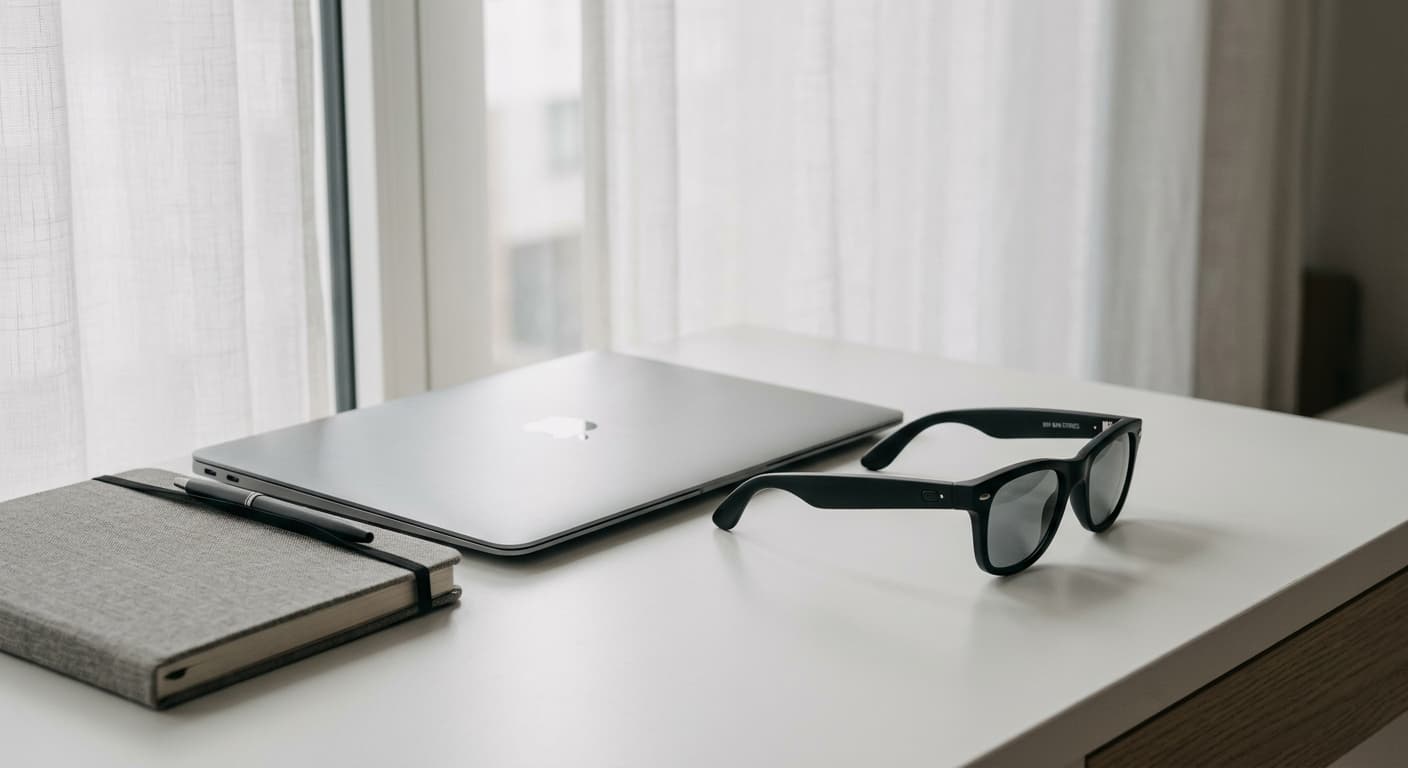
Michigan employees may legally record any workplace conversation they participate in. Although MCL 750.539c prohibits eavesdropping on others, courts recognize a participant exception that satisfies the consent requirement when the recorder is a party to the conversation. Employers may still discipline or terminate workers who violate a company no-recording policy.
Michigan does not have a dedicated workplace recording or workplace surveillance statute. Instead, workplace recording is governed by the state's general eavesdropping and surveillance laws, combined with employer policies, federal labor law, and whistleblower protections.
This creates a situation where an employee's recording may be perfectly legal under criminal law but still result in disciplinary action or termination under company policy. Understanding both sides of this equation is essential for Michigan workers and employers.
Employee Recording Rights in Michigan
The Participant Exception at Work
Under the participant exception established in Sullivan v. Gray, 117 Mich. App. 476, 324 N.W.2d 58 (1982), affirmed by the Sixth Circuit in Fisher v. Perron, 30 F.4th 289 (6th Cir. 2022), and reinforced in AFT Michigan v. Project Veritas Action Fund, No. 4:17-cv-13292 (E.D. Mich. Mar. 30, 2026), Michigan employees can legally record conversations they participate in at work. This includes:
- One-on-one meetings with a supervisor
- Performance reviews and disciplinary meetings
- Conversations with coworkers
- Phone calls with clients or customers (when the employee is a party)
- HR meetings and complaint discussions
- Team meetings where the employee is present
The employee does not need to inform the other participants that recording is taking place. Their own participation satisfies the consent requirement under Michigan law.
What Employees Cannot Record
The participant exception does not give employees the right to:
- Place a hidden recording device in a conference room to capture meetings they do not attend
- Record conversations between other coworkers that the employee is not part of
- Install surveillance equipment in the workplace without authorization
- Record in areas designated as private, such as restrooms or changing areas
These actions would constitute either third-party eavesdropping under MCL 750.539c or illegal surveillance under MCL 750.539d, both of which are felonies.
The Gap Between Legal and Allowed
A critical distinction exists between what is legal and what an employer permits. Michigan is an at-will employment state, meaning employers can terminate employees for any reason that is not specifically prohibited by law. Many Michigan employers maintain policies that prohibit workplace recording.
An employee who records a conversation at work in compliance with Michigan law but in violation of company policy can face:
- Verbal or written warnings
- Suspension
- Termination
- Loss of benefits
The recording itself would not be a crime, but the violation of company policy provides a lawful basis for discipline in an at-will employment relationship.
NLRA Protections for Recording
The National Labor Relations Act (NLRA) provides some protection for employees who record workplace conversations related to "concerted activity" for mutual aid or protection. Under the standard set by the NLRB in Stericycle, Inc., 372 NLRB No. 113 (2023), overly broad no-recording policies can violate Section 7 of the NLRA if they would reasonably chill employees' exercise of their rights. (Note: NLRB GC 25-05, issued January 2025, was a housekeeping rescission of prior guidance memos, not a substantive policy change -- Stericycle remains the controlling standard.)
This means an employer's blanket ban on all workplace recording may be unenforceable under federal labor law if it interferes with employees' rights to discuss wages, working conditions, or organize collectively. However, this protection is limited and context-dependent.
Employer Surveillance Rights in Michigan
Video Surveillance
Michigan employers can install video cameras in the workplace for legitimate business purposes. Common legally permissible locations include:
- Entrances and exits
- Parking lots and loading docks
- Retail sales floors
- Warehouses and production areas
- Hallways and common areas
- Cash registers and point-of-sale stations
Employers should provide written notice to employees that video surveillance is in use. While Michigan law does not explicitly require notice for video-only surveillance in non-private areas, providing notice serves two purposes: it avoids disputes over reasonable expectations of privacy, and it complies with best practices recommended by employment law professionals.
Prohibited Surveillance Locations
MCL 750.539d prohibits surveillance in any "private place." In the workplace context, these include:
- Bathrooms and restrooms
- Changing rooms and locker rooms
- Nursing and lactation rooms
- Private offices when the door is closed (without the occupant's consent)
- Break rooms designated as private spaces
Installing cameras in these areas is a felony, regardless of the employer's stated business purpose.
Audio Surveillance by Employers
Audio surveillance presents the greatest legal risk for Michigan employers. A stationary workplace camera that records audio captures the conversations of employees and visitors, and the employer operating the camera is not a participant in those conversations.
Under the eavesdropping statute (MCL 750.539c), recording the "private discourse of others" without their consent is a felony. An employer who installs audio-recording cameras in the workplace without informing employees could face criminal prosecution.
To use audio surveillance legally, employers should:
- Provide clear written notice to all employees that audio recording is in progress
- Post visible signage in areas where audio is recorded
- Obtain signed acknowledgments from employees
- Limit audio recording to areas where employees do not have a reasonable expectation of privacy
Computer and Phone Monitoring
Michigan employers may monitor company-owned computers, email systems, and phone lines with proper notice. Most employers include monitoring disclosures in employment agreements, acceptable use policies, or employee handbooks.
The Electronic Communications Privacy Act (ECPA) at the federal level provides exceptions for monitoring on employer-owned equipment when the employer has provided notice. Michigan does not have a separate employee electronic monitoring statute, so federal law and the general eavesdropping statute govern.
Whistleblower Protections
Michigan Whistleblowers' Protection Act
MCL 15.362 prohibits employers from discharging, threatening, or discriminating against employees who report or are about to report violations of law to a public body. This protection extends to:
- Reporting violations of state or federal law
- Reporting violations of regulations
- Participating in investigations or hearings related to reported violations
If an employee records evidence of illegal activity in the workplace, that recording may be protected under the Whistleblowers' Protection Act. Courts evaluate these situations on a case-by-case basis, considering whether the recording was made in good faith to document a genuine legal violation.
Remedies for Whistleblower Retaliation
Under MCL 15.363, employees who experience retaliation for whistleblowing can file a civil action within 90 days of the violation. Available remedies include:
- Reinstatement to the former position
- Payment of back wages
- Full reinstatement of fringe benefits and seniority rights
- Actual damages
- Costs of litigation
Recording as Whistleblower Evidence
An employee who records a supervisor committing fraud, harassment, or other illegal conduct may argue that the recording is protected whistleblower activity. The strength of this argument depends on several factors:
- Was the employee a participant in the recorded conversation?
- Was the recording made in good faith to document a legal violation?
- Did the employee report the violation to an appropriate public body?
- Was the employer's disciplinary action motivated by the whistleblowing rather than the policy violation?
Workplace Harassment and Recording
Recording Evidence of Harassment
Employees who experience workplace harassment often consider recording interactions to preserve evidence. Under the participant exception, an employee can legally record harassing statements directed at them during conversations they are part of.
These recordings can serve as powerful evidence in harassment complaints filed with the Michigan Department of Civil Rights, the Equal Employment Opportunity Commission (EEOC), or in civil litigation. Audio recordings can corroborate the employee's account when witnesses are unavailable or when the harassment occurs behind closed doors.
Employer Recording of Harassment Investigations
Employers conducting harassment investigations may record interviews with participants' knowledge and consent. Recording investigation interviews creates an accurate record and can protect both the employer and the employees involved.
However, secretly recording investigation participants without their knowledge may violate the eavesdropping statute if the person operating the recording equipment is not a participant in the conversation being recorded.
Union Workplaces and Recording
In unionized Michigan workplaces, additional rules may apply. Collective bargaining agreements (CBAs) may contain provisions addressing workplace recording and surveillance. These provisions can expand or restrict recording rights beyond what state law provides.
Union representatives may have the right to record certain meetings under the NLRA, particularly grievance proceedings and other collective bargaining-related discussions. Employers should review their CBAs before implementing or enforcing recording policies in unionized workplaces.
Best Practices for Employers
-
Establish a clear, written recording policy. Specify where surveillance cameras are located, whether audio is recorded, and what employee recording is permitted or prohibited.
-
Provide notice of all surveillance. Post signs in monitored areas and include surveillance disclosures in employee handbooks.
-
Never place cameras in private areas. Bathrooms, changing rooms, and lactation rooms are always off-limits.
-
Separate video and audio. If possible, use video-only surveillance to avoid eavesdropping statute complications.
-
Review policies with legal counsel. Ensure recording policies comply with the NLRA, Michigan eavesdropping law, and anti-discrimination statutes.
Best Practices for Employees
-
Know your rights. You can legally record conversations you participate in under the Sullivan participant exception.
-
Know your employer's policy. Even legal recordings can result in discipline if they violate company policy.
-
Keep recordings secure. Store recordings safely and do not share them casually.
-
Consult an attorney before recording sensitive situations. If you plan to record evidence of harassment, discrimination, or illegal activity, get legal guidance first.
-
Understand whistleblower protections. If you record evidence of legal violations and report them to authorities, you may have protection against retaliation.
Related Michigan Recording Laws
Audio Recording | Video Recording | Voyeurism & Hidden Cameras | Workplace Recording | Recording Police | Phone Call Recording | Security Cameras | Recording in Public | Landlord-Tenant | Dashcam Laws | Schools | Medical Recording
← Back to Michigan Recording Laws
More Michigan Laws
- Michigan AI Meeting Recording Laws
- Michigan Alimony Laws
- Michigan At-Will Employment Laws
- Michigan Car Accident Laws
- Michigan Car Seat Laws
- Michigan Child Custody Laws
- Michigan Child Support Laws
- Michigan Common Law Marriage Laws
- Michigan Data Privacy Laws
- Michigan Deepfake Laws
- Michigan Divorce Laws
- Michigan Dog Bite Laws
- Michigan Emancipation Laws
- Michigan Expungement Laws
- Michigan Hit and Run Laws
- Michigan Landlord-Tenant Laws
More Michigan Recording Topics
- Michigan Recording Laws
- Michigan Audio Recording
- Michigan Video Recording
- Michigan Medical Recording
- Michigan Schools Recording
- Michigan Police Recording
- Michigan Phone Calls Recording
- Michigan Security Cameras Recording
- Michigan Voyeurism Recording
- Michigan Landlord Tenant Recording
- Michigan Dashcam Recording
- Michigan Public Recording Recording
- Michigan Biometric Privacy Laws
- Surveillance Camera Laws
Frequently Asked Questions
Can I record a meeting with my boss in Michigan?
Yes. Under Michigan's participant exception established in *Sullivan v. Gray*, 117 Mich. App. 476 (1982), you can legally record any conversation you are part of without telling the other participants. This includes meetings with your supervisor, HR discussions, and performance reviews. However, if your employer has a no-recording policy, violating it can result in disciplinary action or termination.
Can my employer record me at work in Michigan?
Your employer can use video surveillance in common workplace areas like lobbies, hallways, and sales floors with proper notice. Cameras in bathrooms, changing rooms, and other private areas are prohibited under MCL 750.539d. Audio surveillance is more restricted because it can violate the eavesdropping statute if the employer is not a participant in the recorded conversations.
Can I be fired for recording at work in Michigan?
Yes. Michigan is an at-will employment state. Even though recording your own conversations is legal under the participant exception, violating an employer's no-recording policy can provide a lawful basis for termination. The recording is not a crime, but the policy violation can result in discipline.
Does Michigan's whistleblower law protect employees who record evidence of illegal activity?
The Whistleblowers' Protection Act (MCL 15.362) protects employees who report legal violations to a public body. If you record evidence of illegal workplace activity while participating in a conversation and report it to authorities, you may have protection against retaliation. Courts evaluate these situations case by case.
Can my employer listen to my phone calls at work in Michigan?
Employers can monitor calls on company-owned phone lines with proper notice. Most employers include monitoring disclosures in employment agreements or acceptable use policies. Monitoring personal calls on personal devices without consent would likely violate the eavesdropping statute. The federal ECPA provides additional guidelines for employer monitoring of electronic communications.
Sources and References
- Michigan Legislature - MCL 750.539c (Eavesdropping)(legislature.mi.gov).gov
- Michigan Legislature - MCL 750.539d (Surveillance Devices)(legislature.mi.gov).gov
- Michigan Legislature - MCL 15.362 (Whistleblowers Protection Act)(legislature.mi.gov).gov
- Michigan Legislature - MCL 15.363 (Whistleblower Civil Action)(legislature.mi.gov).gov
- Fisher v. Perron, 30 F.4th 289 (6th Cir. 2022)(law.justia.com)
- NLRB - National Labor Relations Act(nlrb.gov).gov
- Michigan Legislature - MCL 750.539a (Definitions)(legislature.mi.gov).gov