
Michigan
Michigan Windshield Mounting Laws (2026 Guide)
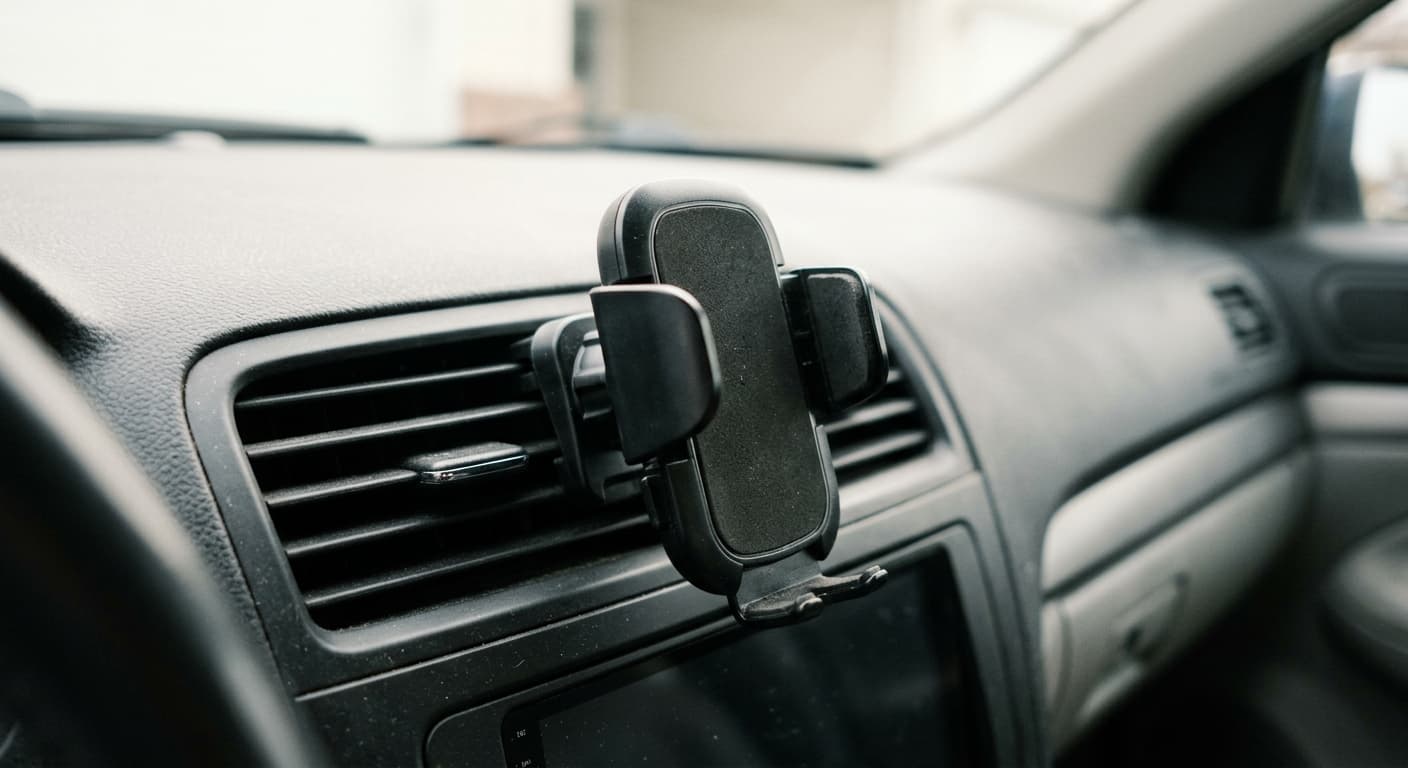
Michigan law (MCL 257.709) allows drivers to mount a dashcam, GPS, or phone on the windshield provided the device does not obstruct the driver's clear view of the road. No size limit or specific placement zone applies; behind the rearview mirror or in a lower corner are common compliant positions.
Michigan drivers need to understand both the state's windshield obstruction law and its newer hands-free driving law. Together, these statutes control what you can mount on your windshield and how you can use electronic devices behind the wheel.
This guide breaks down the exact statutes, permitted devices, penalties, exemptions, and how the 2023 hands-free law changed the rules for phone mounts in Michigan.
Michigan Windshield Obstruction Law (MCL 257.709)
The primary statute governing windshield-mounted devices in Michigan is MCL 257.709, part of the Michigan Vehicle Code (Act 300 of 1949). This section regulates windshields, windows, mirrors, and equipment visibility requirements.
What the Law Prohibits
Under MCL 257.709(1), a person cannot operate a motor vehicle with any of the following on the front windshield, the side windows next to the driver or front passenger, or the sidewings forward of the driver or front passenger:
- Signs or posters
- Nontransparent material
- Window applications
- Reflective film
- Nonreflective film
The statute also prohibits any "object that obstructs the vision of the driver of the vehicle, except as authorized by law." This catch-all provision is the legal basis for enforcement against improperly mounted devices.
The Obstruction Standard
Michigan does not set a specific size limit or placement zone for windshield-mounted devices. Instead, the law applies a functional test: does the object obstruct the driver's vision? A small GPS unit mounted near the corner of the windshield would not typically violate this standard. A large tablet mounted in the center of the windshield likely would.
This approach gives drivers more flexibility than states with strict measurement rules, but it also gives law enforcement more discretion in deciding what counts as an obstruction.
GPS and Navigation Device Mounts
Michigan law permits GPS and navigation devices on the windshield as long as they do not obstruct your view of the road. There is no statute that specifically bans or restricts GPS windshield mounts.
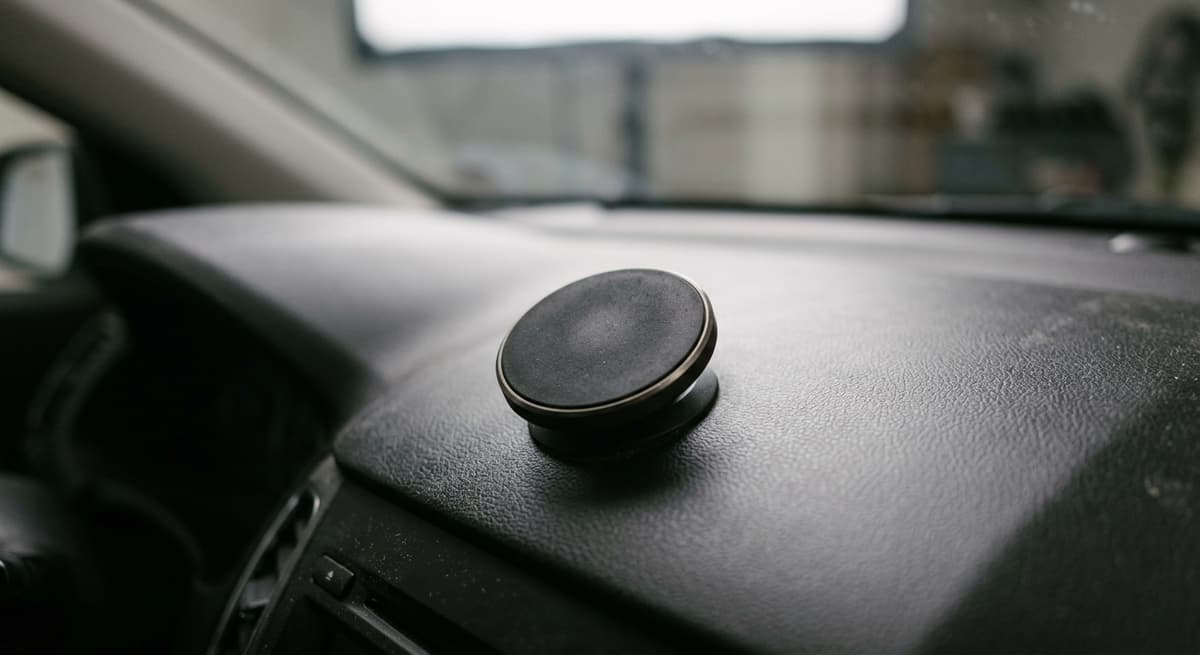
Best Placement Practices
To stay within the law and avoid a traffic stop:
- Mount GPS devices in the lower corner of the windshield on the passenger side
- Keep the device as small as reasonably possible
- Make sure the mount does not block your view of traffic, signals, or road signs
- Avoid placing devices directly in front of the steering wheel
A GPS mounted behind the rearview mirror is another option that keeps the device out of your primary line of sight.
Phone Mounts and the Hands-Free Law (MCL 257.602b)
Michigan's hands-free law, codified at MCL 257.602b, took effect on June 30, 2023. This law fundamentally changed how Michigan drivers can use mobile phones in vehicles.
What the Law Requires
Under MCL 257.602b, a driver cannot hold or use a mobile electronic device while operating a motor vehicle. This prohibition covers:
- Making or receiving phone calls by hand
- Texting or typing
- Watching videos
- Browsing the internet or social media
- Any manual interaction with the device
The Mount Exception
The law explicitly permits the use of a mobile electronic device that is "placed in a mount." When your phone is in a windshield mount, dashboard mount, or vent mount, you may:
- Use voice commands or voice-operated features
- Activate or deactivate a feature with a single button press, tap, or swipe
- Use navigation apps
- Take hands-free calls
This means a windshield-mounted phone is not just legal in Michigan but is the recommended way to use your phone while driving. The mount must hold the device securely so you do not need to hold it in your hand.
Penalties for Hands-Free Law Violations
The fines for violating Michigan's hands-free law under MCL 257.602b increase with each offense:
| Offense | Fine (No Crash) | Fine (Crash Involved) |
|---|---|---|
| First violation | $100 | $200 |
| Second or subsequent | $250 | $500 |
Drivers with three or more violations within a three-year period must complete a basic driver improvement course. Community service of 16 hours (first offense) or 24 hours (subsequent offenses) may also be ordered.
Dashcam Mounting Rules
Dashcams are legal in Michigan, but the same obstruction standard from MCL 257.709 applies. A dashcam cannot be mounted in a position that obstructs the driver's clear view of the highway.
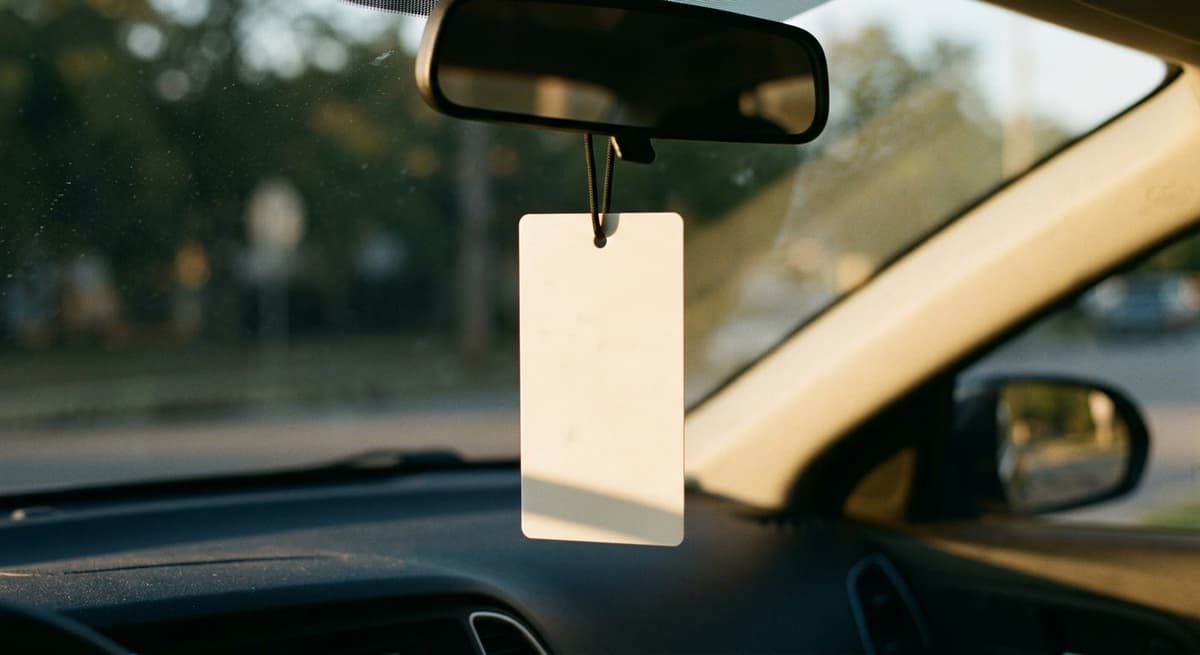
Recommended Dashcam Placement
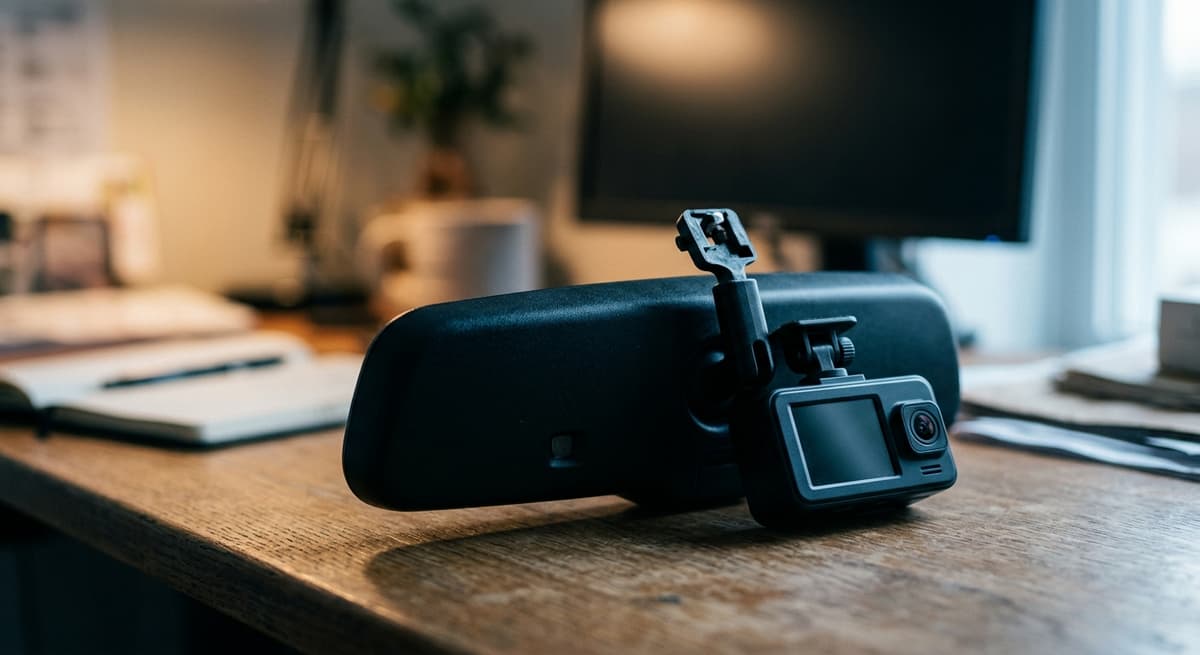
The best location for a dashcam in Michigan is behind the rearview mirror, where the camera has a clear view of the road without blocking the driver's line of sight. The area where the factory tint strip meets the clear glass is an ideal spot.
Mounting a dashcam on the dashboard is also acceptable and avoids any windshield obstruction concerns entirely.
Commercial Vehicle Exception
Under MCL 257.709(6), trucks with a gross weight over 10,000 pounds, truck tractors, buses, and trucks carrying hazardous materials that require placards have separate equipment requirements. These vehicles must be equipped with a hot air windshield defroster, electrically heated windshield, or another device to keep the windshield in operable condition. The obstruction rules for these vehicles are evaluated differently.
Audio Recording Notice
Michigan is a one-party consent state for audio recordings under MCL 750.539c. If your dashcam records audio, you (as the person who turned on the recording) satisfy the one-party consent requirement. You do not need to notify passengers that audio is being recorded, though doing so is a common courtesy.
Windshield Tint Regulations
MCL 257.709 also governs windshield tinting in Michigan. The rules are straightforward:
Windshield Tint Strip
A non-reflective tint strip is permitted along the top edge of the windshield. The tint cannot extend more than 4 inches from the top of the windshield, or lower than the factory shade band, whichever is closer to the top.
Front Side Windows
The front side windows (next to the driver and front passenger) and the sidewings follow the same 4-inch rule for tint strips. Michigan does not permit aftermarket tint on the main viewing area of the front side windows.
Rear Windows
Rear side windows and the rear windshield may have any level of tint darkness. However, the tint material cannot create a total solar reflectance of 35% or more in the visible light range. Silver and gold reflective films are specifically banned on all windows.
Medical Exemption for Window Tint
Under MCL 257.709(3)(e), a driver or passenger with a light-sensitive or photosensitive medical condition may use a special window treatment that would otherwise violate the tinting rules. To qualify:
- A physician or optometrist must determine the treatment is medically necessary
- The vehicle owner or operator must carry a signed letter from the physician or optometrist
- The window treatment cannot interfere with or obstruct the driver's clear vision of the highway or intersecting highways
Toll Transponders and Stickers
Michigan does not operate a statewide toll road system, so toll transponders are not a common windshield item. However, drivers who travel to toll states (like Ohio, Indiana, or Illinois) may have transponders such as E-ZPass mounted on their windshields.
These small transponders are generally permitted under MCL 257.709 because they are small, transparent or nearly transparent, and do not obstruct the driver's view. No specific Michigan statute addresses toll transponder placement.
Exemptions from Windshield Restrictions
MCL 257.709 includes several exemptions from the general prohibition on windshield materials:
| Exemption | Details |
|---|---|
| Factory shade band/tint strip | Non-reflective tint within the top 4 inches of the windshield |
| Rearview mirrors | Factory and aftermarket rearview mirrors are permitted |
| Law-required certificates | Registration stickers, inspection decals, and other legally required displays |
| Medical window treatment | Physician-certified treatment for light sensitivity (must carry letter) |
| Commercial vehicle equipment | Trucks over 10,000 lbs, buses, and hazmat vehicles have separate rules |
Penalties for Windshield Violations
A violation of MCL 257.709 is a civil infraction under Michigan law. Equipment violations in this section carry the following consequences:
- Fine: Up to $100 for a standard civil infraction under MCL 257.907
- Points: Zero. Defective equipment violations do not add points to your driving record
- Fix-it option: Under MCL 257.907, the court will waive the fine, costs, and assessments if a law enforcement agency certifies that you repaired the defective equipment before your court appearance date
This fix-it provision means that if you receive a ticket for a windshield obstruction, you can have the fine waived by removing the obstruction and getting certification from a law enforcement agency before your court date.
Kelsey's Law: Teen Driver Restrictions (MCL 257.602c)
Michigan's Kelsey's Law, named after Kelsey Raffaele who died in a cellphone-related crash in 2010, imposes stricter rules on young drivers.
Under MCL 257.602c, drivers with a Level 1 or Level 2 graduated license cannot use a cellular telephone while operating a motor vehicle. This restriction applies regardless of whether the phone is mounted or used hands-free. The only exceptions are calls to report:
- A traffic accident
- A medical emergency
- A serious road hazard
- A situation where the driver believes their personal safety is in jeopardy
A violation results in a civil infraction with two points on the teen's driving record. The teen's parent or legal guardian receives a notice, and the graduated license period extends by 12 months. The teen must also appear for a driver reexamination, which may result in license suspension or additional restrictions.
This means that even though a windshield phone mount is legal for adult drivers in Michigan, teen drivers with a graduated license cannot use a mounted phone while driving.
How Michigan Compares to Neighboring States
Michigan's approach to windshield mounting is more permissive than some neighboring states:
| State | GPS/Phone Mount Allowed | Specific Placement Rules |
|---|---|---|
| Michigan | Yes, if no obstruction | No specific measurement requirements |
| Ohio | Yes, if no obstruction | No size/placement limits specified |
| Indiana | Yes, with restrictions | Must not obstruct view |
| Illinois | Yes, with restrictions | Lower windshield area preferred |
| Wisconsin | Yes, if no obstruction | No specific measurement requirements |
Michigan's functional "does it obstruct" test gives drivers more flexibility than states that impose strict size or placement zones. However, it also means enforcement can vary between officers and jurisdictions.
Recent Legal Changes
2023: Hands-Free Law (Public Act 38 of 2023)
The most significant recent change affecting windshield mounts was the hands-free law that took effect June 30, 2023. Before this law, Michigan only prohibited texting while driving. The new law bans all handheld phone use, making windshield mounts and other hands-free accessories essential for legal phone use while driving.
No Changes to MCL 257.709
The core windshield obstruction statute has not been amended recently. The law remains focused on the functional obstruction standard rather than specific device measurements or placement rules.
More Michigan Laws
Frequently Asked Questions
Can I mount a GPS or phone on my windshield in Michigan?
Yes. Michigan law (MCL 257.709) permits GPS units, phone mounts, and other devices on the windshield as long as they do not obstruct the driver's clear view of the road. There is no specific size limit or placement zone. The hands-free law (MCL 257.602b) actually encourages phone mounts because drivers must use phones hands-free while driving.
Is it legal to use a dashcam in Michigan?
Yes. Dashcams are legal in Michigan as long as they do not obstruct the driver's view. The recommended placement is behind the rearview mirror or on the dashboard. Michigan is a one-party consent state for audio recording, so dashcam audio recording is permitted without notifying passengers.
What is the penalty for a windshield obstruction ticket in Michigan?
A windshield obstruction violation under MCL 257.709 is a civil infraction with a maximum fine of $100. It carries zero points on your driving record. If you fix the issue before your court date and get certification from law enforcement, the court will waive the fine entirely.
Can teen drivers use a phone mounted on the windshield in Michigan?
No. Under Kelsey's Law (MCL 257.602c), drivers with a Level 1 or Level 2 graduated license cannot use a cell phone while driving, even if it is mounted or used hands-free. The only exceptions are emergency calls. Violations carry two points and a 12-month extension of the graduated license period.
Does Michigan require hands-free phone use while driving?
Yes. Since June 30, 2023, Michigan law (MCL 257.602b) prohibits holding or manually using a mobile electronic device while driving. Drivers must place phones in a mount or use voice-operated and hands-free modes. First-offense fines are $100, and fines double if a crash is involved.
Sources and References
- MCL 257.709 - Windshields and windows; prohibitions(legislature.mi.gov).gov
- MCL 257.602b - Use of mobile electronic device while operating motor vehicle(legislature.mi.gov).gov
- MCL 257.602c - Kelsey's Law teen driver cellphone restriction(legislature.mi.gov).gov
- MCL 257.907 - Civil infraction penalties(legislature.mi.gov).gov
- Michigan State Police - Distracted Driving(michigan.gov).gov
- Michigan Secretary of State - New Drivers Under 18(michigan.gov).gov
- Michigan Courts - Civil Infraction Fine Schedule(courts.michigan.gov).gov