
Minnesota
Minnesota Dog Bite Laws: Liability and Victim Rights

Minnesota imposes strict liability on dog owners under Minn. Stat. § 347.22. When a dog attacks or injures a person who is acting peaceably in a place where they have a lawful right to be, the owner is fully liable for all damages regardless of prior knowledge of aggression.
Estimate your claim: Use our free Minnesota Dog Bite Settlement Calculator to see a rough settlement range based on the medical bills, the bite location, the victim's age, and Minnesota's liability rule.
Minnesota Dog Bite Liability Laws
Minnesota follows a strict liability standard for dog bite cases. Under Minn. Stat. § 347.22, if a dog attacks or injures any person who is acting peaceably in any place where the person may lawfully be, the owner is liable for the full amount of damages. The owner cannot escape liability by claiming they did not know the dog was dangerous.
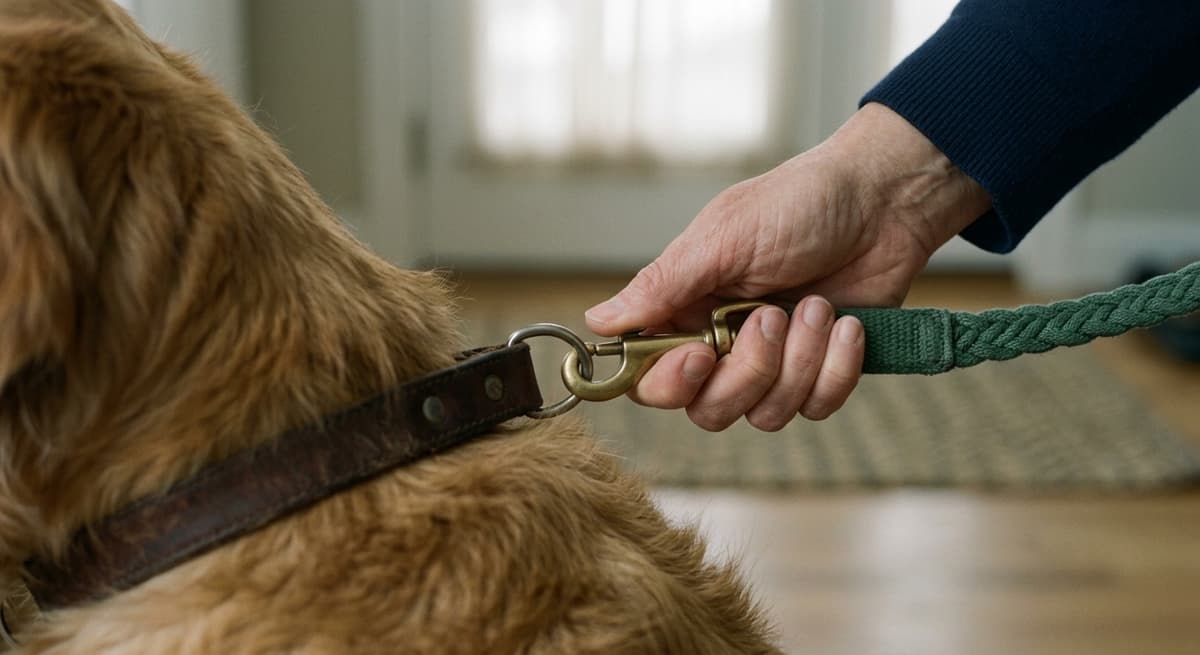
This strict liability framework means Minnesota dog bite victims do not need to prove negligence, prior knowledge of aggression, or any history of biting. The law places responsibility squarely on the dog's owner from the very first incident.
What the Statute Requires
To hold an owner liable under Minn. Stat. § 347.22, the victim must show three things:
- The defendant owned or harbored the dog
- The dog bit or attacked the victim
- The victim was acting peaceably in a place where they had a lawful right to be
The statute defines "owner" broadly. It includes any person who harbors or keeps a dog, not just the person who purchased or adopted the animal. A person who temporarily watches a dog, such as a dog sitter, can also be considered an owner under the law.
Injuries Beyond Bites
Minnesota's strict liability statute is not limited to bite injuries. Courts have interpreted the law to cover any injury a dog causes directly. If a dog jumps on a person and knocks them to the ground, the owner is liable for the resulting injuries. The statute applies whenever a dog "attacks or injures" someone, regardless of whether the dog intended to be aggressive.
Dog Owner Responsibilities in Minnesota
Dog owners in Minnesota have several legal obligations under state and local law.
- Leash Laws: Many Minnesota cities and counties require dogs to be leashed in public areas. While there is no statewide leash law, most municipalities enforce their own leash ordinances.
- Confinement: Owners must keep their dogs securely confined on their own property to prevent them from running at large.
- Rabies Vaccination: Minnesota law requires rabies vaccination for all dogs. Local animal control agencies enforce vaccination requirements.
- Licensing: Most Minnesota jurisdictions require annual dog licensing and registration.
- Dangerous Dog Requirements: Owners of dogs designated as dangerous or potentially dangerous face additional requirements under Minn. Stat. §§ 347.50 through 347.565, including registration, insurance, and secure enclosures.
Failing to meet these obligations can result in fines and penalties. It can also strengthen a victim's personal injury claim by showing the owner's disregard for public safety.
Victim Rights and Compensation
Dog bite victims in Minnesota can recover a wide range of damages under the strict liability statute. Because the law does not require proof of negligence, victims can pursue compensation as long as they were acting peaceably and were lawfully present.
Economic Damages
Economic damages cover all measurable financial losses:
- Emergency room visits, surgery, and hospitalization
- Follow-up medical care, physical therapy, and rehabilitation
- Prescription medications and medical supplies
- Lost wages during recovery
- Loss of future earning capacity if injuries are permanent
- Property damage (torn clothing, broken personal items)
Non-Economic Damages
Non-economic damages compensate for harm that is real but harder to quantify:
- Physical pain and suffering
- Emotional distress, anxiety, and psychological trauma
- Scarring and permanent disfigurement
- Loss of enjoyment of life
- Post-traumatic stress related to dogs or the attack location
Minnesota does not impose a statutory cap on damages in dog bite cases. Victims can recover the full extent of both economic and non-economic losses.
Legal Defenses Available to Dog Owners
Minnesota law provides dog owners with only two defenses to strict liability under § 347.22. These defenses are narrow and place a significant burden on the owner to prove.
Provocation
The most common defense is provocation. If the victim provoked the dog into attacking, the owner may avoid liability. The Minnesota Supreme Court has defined provocation as voluntary conduct that exposes a person to a risk of harm from the dog, where the person had knowledge of that risk at the time.
Provocation does not require intent to provoke. However, it must involve behavior that would cause a normally calm dog to react aggressively. Examples include hitting, teasing, or tormenting a dog. Simply being near a dog or making normal movements does not constitute provocation.
Unlawful Presence or Failure to Act Peaceably
The statute requires that the victim be "acting peaceably in any place where the person may lawfully be." If the victim was trespassing on private property or engaging in unlawful behavior at the time of the attack, the owner may have a defense.
This defense may not apply to young children who wander onto a neighbor's property, as courts often consider whether the child understood property boundaries.
Comparative Fault Does Not Apply
An important distinction in Minnesota law: comparative fault is not a valid defense in dog bite cases under § 347.22. Unlike many other personal injury claims, the dog owner cannot argue that the victim's own negligence contributed to the injury in order to reduce damages. The Minnesota Supreme Court has confirmed that neither common law affirmative defenses nor the statutory comparative fault framework apply to claims brought under the dog bite statute.
Dangerous and Potentially Dangerous Dog Designations
Minnesota law creates two categories of dogs that pose a public safety risk, defined in Minn. Stat. § 347.50.
Dangerous Dog
A dog is classified as "dangerous" if it has:
- Inflicted substantial bodily harm on a person without provocation, on public or private property
- Killed a domestic animal without provocation while off the owner's property
- Been previously found to be potentially dangerous and, after the owner received notice, continued to aggressively bite, attack, or endanger the safety of people or domestic animals
Potentially Dangerous Dog
A dog is classified as "potentially dangerous" if it has:
- Bitten a person or domestic animal without provocation on public or private property
- Chased or approached a person on a street, sidewalk, or property (other than the owner's) in an apparent attitude of attack when unprovoked
- A known tendency or disposition to attack unprovoked, causing injury or threatening the safety of people or domestic animals
Registration Requirements for Dangerous Dogs
Under Minn. Stat. § 347.51, no person may own a dangerous dog in Minnesota unless the dog is properly registered. Registration requires the owner to:
- Obtain a surety bond or liability insurance policy of at least $300,000 covering personal injuries the dog may cause
- Pay an annual registration fee of up to $500, in addition to regular dog licensing fees
- Have a microchip implanted in the dog for identification purposes (Minn. Stat. § 347.515)
- Maintain a proper enclosure that prevents the dog from escaping
- Post a warning sign provided by the animal control authority to inform the public, including children, that a dangerous dog is on the property
Failure to register a dangerous dog or comply with these requirements is a misdemeanor under Minnesota law.
Statute of Limitations for Dog Bite Claims
Minnesota gives dog bite victims six years from the date of the attack to file a personal injury lawsuit. This deadline comes from Minn. Stat. § 541.05, which governs the limitations period for personal injury actions.
Six years is longer than most states allow, but victims should not delay filing a claim. Important considerations include:
- The clock starts on the date the bite or attack occurs
- Minors may have extended deadlines. The statute of limitations is tolled (paused) while the victim is under 18 years old.
- Claims against government entities (such as a city-owned dog at a municipal facility) often have much shorter notice requirements, sometimes as short as 180 days
- Evidence becomes harder to gather and witnesses harder to locate as time passes
- Medical records and documentation should be preserved promptly
Missing the filing deadline will almost certainly bar the claim permanently, regardless of how strong the case may be.
Breed-Specific Legislation in Minnesota
Minnesota is one of the states that prohibits local municipalities from enacting breed-specific legislation (BSL). This state preemption means that cities and counties in Minnesota cannot pass ordinances banning or restricting ownership of specific dog breeds such as pit bulls, rottweilers, or other breeds.
Instead of targeting specific breeds, Minnesota law focuses on individual dog behavior through its dangerous and potentially dangerous dog designation system under Minn. Stat. §§ 347.50 through 347.565. This behavior-based approach holds owners accountable based on what their dog has actually done, rather than its breed.
If you encounter what appears to be a breed-specific restriction in a Minnesota city, it may be an outdated ordinance that predates the state preemption law. Contact local animal control to verify what rules currently apply in your area.
Landlord Liability for Dog Bites in Minnesota
Landlords in Minnesota are generally not liable for injuries caused by a tenant's dog. However, liability can arise in specific circumstances.
Because Minn. Stat. § 347.22 defines "owner" to include anyone who "harbors or keeps" a dog, the question becomes whether the landlord exercised care or control over the animal. Simply renting property to a tenant who owns a dog is not enough to make the landlord an owner under the statute.
A landlord may face liability if:
- The landlord knew the tenant's dog was dangerous and failed to take action
- The landlord exercised control or management over the dog
- The landlord's own negligence created conditions that contributed to the attack (such as failing to maintain a fence the landlord agreed to maintain)
Minnesota courts have generally held that a mobile home park owner or apartment landlord who never attempts to control or manage a tenant's dog is not a "keeper" under the statute. Landlords should still consider requiring tenants with dogs to carry renter's insurance with adequate liability coverage.
Criminal Penalties for Dog Owners in Minnesota
Minnesota imposes criminal penalties on dog owners whose animals cause harm. Two primary statutes govern criminal liability.
Minn. Stat. § 609.226: Harm Caused by Dog
Under this criminal statute:
- Misdemeanor: A person who causes great or substantial bodily harm to another by negligently or intentionally permitting a dog to run uncontrolled off the owner's premises, or by negligently failing to keep it properly confined, is guilty of a misdemeanor.
- Gross Misdemeanor: A second or subsequent violation involving the same dog is a gross misdemeanor, punishable by up to 364 days in jail and a fine of up to $3,000.
Minn. Stat. § 347.55: Dangerous Dog Violations
Owners of registered dangerous dogs who violate the requirements of the dangerous dog statute face misdemeanor charges. If a previously convicted owner's dangerous dog causes bodily injury again, the owner faces gross misdemeanor charges with penalties of up to 364 days imprisonment and a $3,000 fine.
When Felony Charges May Apply
Felony-level charges may arise when:
- A dog attack results in death or great bodily harm and the owner knew the dog was dangerous
- The owner intentionally used a dog as a weapon to cause harm
- The attack involved reckless disregard for human safety in extreme circumstances
Criminal penalties are separate from civil liability. A dog owner can face both criminal prosecution and a civil lawsuit for the same incident.
How to File a Dog Bite Claim in Minnesota
If you have been bitten by a dog in Minnesota, take these steps to protect your legal rights:
- Get medical treatment immediately. Prompt medical care creates documentation of your injuries and prevents complications such as infection.
- Report the incident. File a report with local animal control and law enforcement. This creates an official record of the attack.
- Document your injuries. Take photographs of bite wounds, bruising, and swelling as they progress over days and weeks.
- Identify the dog and owner. Get the owner's name, address, phone number, and homeowner's or renter's insurance information.
- Collect witness information. Get names and contact details from anyone who saw the attack.
- Preserve physical evidence. Keep torn or bloody clothing, and do not alter the scene if possible.
- Track all expenses. Save receipts for medical bills, prescriptions, transportation to medical appointments, and other costs.
- Consult an attorney. A personal injury attorney can help identify all liable parties, handle insurance negotiations, and file a lawsuit if necessary.
Many personal injury attorneys offer free initial consultations and work on a contingency fee basis, meaning they collect a fee only if the case results in a settlement or verdict.
More Minnesota Laws
Frequently Asked Questions
Is Minnesota a strict liability state for dog bites?
Yes. Under Minn. Stat. § 347.22, dog owners are liable for all damages when their dog attacks or injures someone who is acting peaceably in a place where they have a lawful right to be. The victim does not need to prove the owner knew the dog was dangerous or that the owner was negligent.
How long do I have to file a dog bite lawsuit in Minnesota?
Minnesota gives dog bite victims six years from the date of the attack to file a personal injury lawsuit under Minn. Stat. § 541.05. However, claims against government entities may have shorter notice deadlines, and minors may have extended filing periods.
Can comparative fault reduce my dog bite damages in Minnesota?
No. Minnesota courts have ruled that comparative fault is not a valid defense in dog bite cases under § 347.22. The only defenses available to the dog owner are provocation and the victim's unlawful presence or failure to act peaceably.
What are the requirements for owning a dangerous dog in Minnesota?
Under Minn. Stat. § 347.51, owners of dangerous dogs must register the animal, obtain at least $300,000 in liability insurance or a surety bond, pay an annual fee of up to $500, have a microchip implanted, maintain a secure enclosure, and post warning signs on the property.
Can a city in Minnesota ban pit bulls or other specific breeds?
No. Minnesota has a state preemption law that prohibits municipalities from enacting breed-specific legislation. Instead of breed bans, the state uses a behavior-based system that designates individual dogs as dangerous or potentially dangerous based on their actions.
Injured in Minnesota? Get a free case review from a personal-injury attorney
If someone else's negligence caused your injury, you may be owed compensation for medical bills, lost wages, and pain and suffering. Get a free, no-obligation review from a Minnesota personal-injury attorney. Most work on contingency, so there is no upfront cost.
Sources and References
- Minn. Stat. \u00a7 347.22 - Damages, Owner Liable(revisor.mn.gov).gov
- Minn. Stat. \u00a7 347.50 - Dangerous Dog Definitions(revisor.mn.gov).gov
- Minn. Stat. \u00a7 347.51 - Dangerous Dogs; Registration(revisor.mn.gov).gov
- Minnesota Statutes Chapter 347 - Dogs and Cats(revisor.mn.gov).gov
- Minn. Stat. \u00a7 541.05 - Six-Year Limitations(revisor.mn.gov).gov
- Minn. Stat. \u00a7 609.226 - Harm Caused by Dog(revisor.mn.gov).gov
- Minnesota Dangerous Dog Registration(mn.gov).gov