Delaware Dog Bite Laws: Liability and Victim Rights

How Delaware Dog Bite Liability Works
Delaware is a strict liability state for dog bite injuries. Under 16 Del. C. § 3053F, the owner of a dog is liable in damages for any injury, death, or loss to person or property caused by that dog. The owner does not need to have known the dog was dangerous. The victim does not need to prove negligence.
This law is one of the broadest dog owner liability statutes in the country. It covers more than just bites. Any injury caused by a dog falls under this statute, including being knocked down, chased, or scratched. Property damage is also covered.
What Victims Must Prove
To recover damages under Delaware's strict liability law, a victim must prove three things:
- The defendant owned or kept the dog
- The dog caused the injury, death, or property loss
- The victim was lawfully present where the incident occurred
The victim does not need to prove:
- The owner knew the dog had aggressive tendencies
- The dog had bitten anyone before
- The owner failed to use reasonable care
This makes Delaware more favorable to victims than "one-bite rule" states, where owners only become liable after their dog has shown a history of aggression.
Legal Defenses Available to Dog Owners

Even under strict liability, Delaware law provides three specific exceptions where a dog owner is not liable for damages. These exceptions are written directly into 16 Del. C. § 3053F.
Trespassing or Criminal Activity on the Owner's Property
If the victim was committing or attempting to commit a trespass or other criminal offense on the dog owner's property at the time of the incident, the owner is not liable. This applies to burglars, trespassers, and anyone else unlawfully on the premises.
Criminal Offense Against Any Person
If the victim was committing or attempting to commit a criminal offense against any person at the time of the bite, the owner is not liable. For example, if someone was assaulting the dog owner and the dog bit the attacker, the owner would have a valid defense.
Teasing, Tormenting, or Abusing the Dog
If the victim was teasing, tormenting, or abusing the dog when the bite occurred, the owner is not liable. This includes hitting, poking, pulling the tail, or otherwise provoking the animal.
Comparative Negligence in Delaware
Delaware follows a modified comparative negligence rule with a 51% bar. Under this system, a victim's compensation is reduced by their percentage of fault. If the victim is found to be 51% or more at fault for the incident, they cannot recover any damages at all.
For example, if a court determines that a dog bite victim suffered $50,000 in damages but was 20% at fault for provoking the dog, the victim would receive $40,000.
Damages You Can Recover After a Dog Bite

Dog bite victims in Delaware may pursue both economic and non-economic damages.
Economic Damages
| Damage Type | Examples |
|---|---|
| Medical expenses | Emergency room visits, surgery, stitches, antibiotics, rabies treatment |
| Future medical costs | Plastic surgery, physical therapy, psychological counseling |
| Lost wages | Time missed from work during recovery |
| Lost earning capacity | Reduced ability to work due to permanent injuries |
| Property damage | Torn clothing, broken eyeglasses, damaged personal items |
Non-Economic Damages
| Damage Type | Description |
|---|---|
| Pain and suffering | Physical pain from the bite and subsequent treatment |
| Emotional distress | Anxiety, fear of dogs, PTSD, nightmares |
| Scarring and disfigurement | Permanent visible marks or scars from the attack |
| Loss of enjoyment of life | Inability to participate in activities you enjoyed before the injury |
Because Delaware applies strict liability, victims can typically recover both categories of damages without proving the owner was negligent.
Dangerous and Potentially Dangerous Dog Designations
Delaware law establishes a formal process for designating dogs as "dangerous" or "potentially dangerous" under 16 Del. C. §§ 3073F through 3080F. These designations carry additional requirements for dog owners.
Potentially Dangerous Dog
A Justice of the Peace Court may declare a dog potentially dangerous if it finds, by clear and convincing evidence, that the dog has:
- Attacked or inflicted physical injury on a person
- Attacked or inflicted serious physical injury on a domestic animal (while the animal was on its owner's property or under their control)
- Chased or pursued a person in an apparent attitude of attack on 2 separate occasions within a 12-month period
- Caused physical injury to a domestic animal more than once within a 12-month period
Owner requirements for a potentially dangerous dog:
- Spay or neuter the dog if the court orders it
- Keep the dog indoors or in a securely fenced yard it cannot escape while on the owner's property
- Restrain the dog with a substantial chain or leash no longer than 6 feet and keep it under the physical control of a responsible adult when off the owner's premises
- Follow any other conditions the court sets
If no additional incidents occur within 24 months, the dog loses its "potentially dangerous" designation.
Dangerous Dog
A Justice of the Peace Court may declare a dog dangerous if it finds, by clear and convincing evidence, that the dog has:
- Killed or inflicted physical injury or serious physical injury on a person
- Killed or inflicted serious physical injury on a domestic animal (while the animal was on its owner's property or under their control)
Owner requirements for a dangerous dog include all of the above, plus:
- Obtain and maintain liability insurance of at least $100,000 covering damage or injury caused by the dog
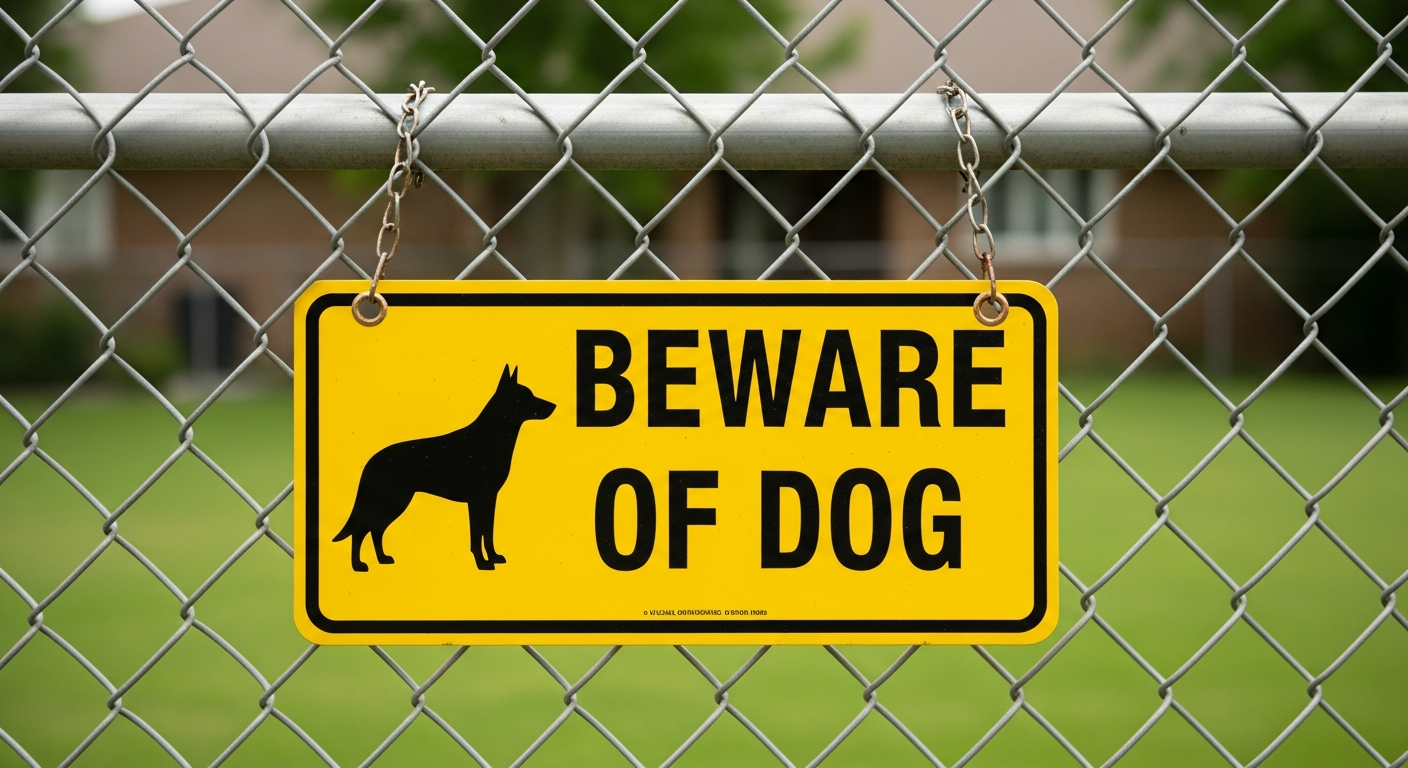
- Post warning signs on the property
- Comply with microchipping requirements
Penalties for Violations
Penalties for violating dangerous or potentially dangerous dog requirements under 16 Del. C. § 3079F depend on the specific violation:
| Violation Type | First Offense | Subsequent Offense (within 3 years) |
|---|---|---|
| Leash, confinement, or spay/neuter violations | $50 to $100 | $100 to $200 |
| Insurance or signage violations | $100 to $250 | $250 to $500 |
| Serious violations (allowing dog at large, failure to comply with court order) | $250 to $1,000 | $500 to $2,000 |
If the owner does not reimburse the Department for the dog's care costs within 10 days of a dangerous or potentially dangerous dog ruling, ownership transfers to the Department. The Department may then dispose of the dog by euthanasia.
Breed-Specific Legislation Is Banned in Delaware
In 2017, Governor John Carney signed House Bill 13, which prohibits any municipality in Delaware from enacting breed-specific ordinances or regulations. No dog in Delaware can be declared potentially dangerous or dangerous based solely on its breed or perceived breed.
This means there are no pit bull bans, Rottweiler restrictions, or other breed-based rules anywhere in the state. All dangerous dog determinations must be based on the individual dog's behavior, not its breed.
Dog Owner Responsibilities Under Delaware Law
Beyond the dangerous dog statutes, dog owners in Delaware have several general legal obligations:
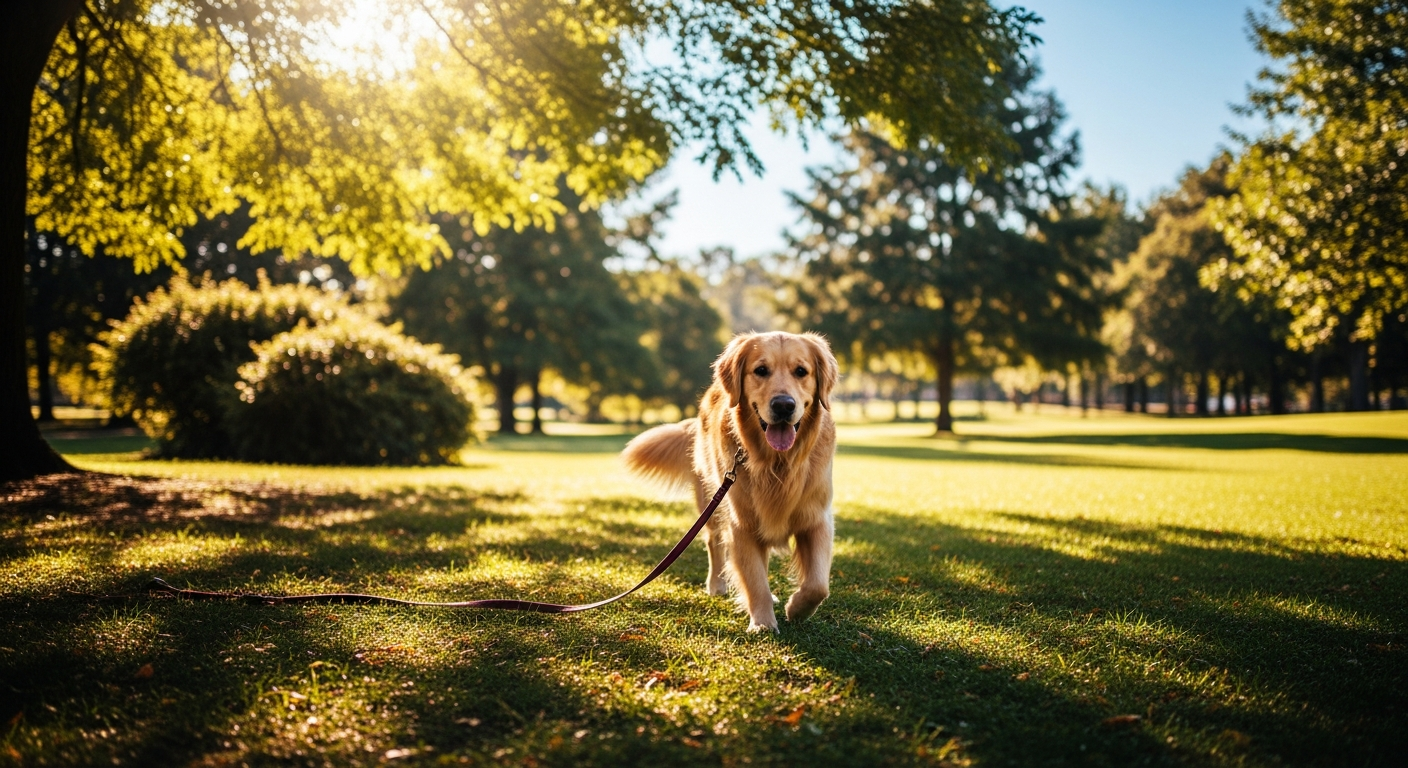
- Leash laws: Many Delaware municipalities require dogs to be leashed in public areas. Check your local ordinances for specific rules.
- Confinement: Dogs must be securely confined on the owner's property. Dogs found running at large may be impounded under 16 Del. C. § 3054F.
- Rabies vaccination: Delaware law requires dogs to be vaccinated against rabies.
- Licensing: Most jurisdictions require dogs to be licensed and registered with local animal control.
Violating these requirements does not change the strict liability analysis, but it can strengthen a victim's case if the owner was also negligent.
Statute of Limitations for Dog Bite Claims
Under 10 Del. C. § 8119, the statute of limitations for personal injury claims in Delaware is 2 years from the date the injury occurred. This deadline applies to all dog bite claims.
Key points about the filing deadline:
- The clock starts on the date of the bite
- If you miss the 2-year deadline, the court will almost certainly dismiss your case
- Minors may have extended deadlines under Delaware's tolling provisions
- Claims against government entities (such as a state-owned dog or a dog at a government facility) may have shorter notice requirements
- Property damage claims also carry a 2-year statute of limitations
Do not wait until the deadline approaches to take action. Evidence becomes harder to gather, witnesses forget details, and medical records become less clear over time.
Landlord Liability for Dog Bites in Delaware
Landlords in Delaware may face liability for dog bite injuries caused by a tenant's dog, but only under limited circumstances. A landlord is not automatically liable just because a tenant's dog bites someone on the property.
A landlord may be held liable if all of the following conditions are met:
- The landlord knew the tenant's dog was dangerous (through complaints, prior incidents, or visible aggressive behavior)
- The landlord had the legal authority to remove the dog (through lease terms or local ordinances)
- The landlord failed to take reasonable steps to address the danger
Attacks in common areas (hallways, parking lots, shared yards) are more likely to result in landlord liability because landlords have greater control over those spaces.
Landlords should consider including clear pet policies in lease agreements and requiring tenants with dogs to carry renter's insurance with liability coverage.

How to File a Dog Bite Claim in Delaware
If you have been bitten by a dog in Delaware, take these steps to protect your legal rights:
- Get medical attention immediately. Even minor bites can become infected. Keep all medical records and receipts.
- Report the incident. File a report with local animal control and law enforcement. This creates an official record of the attack.
- Document the injuries. Take photographs of your injuries on the day of the attack and throughout the healing process.
- Identify the dog and owner. Get the owner's name, address, phone number, and homeowner's or renter's insurance information.
- Gather witness information. Collect names and contact details from anyone who saw the attack.
- Preserve physical evidence. Keep torn or bloody clothing and any other items damaged in the attack.
- Consult a personal injury attorney. An attorney can evaluate your case, identify all liable parties, and handle insurance negotiations.
Many personal injury attorneys offer free initial consultations and work on a contingency fee basis, meaning you pay no legal fees unless you recover compensation.
Criminal Penalties for Dog Owners
In addition to civil liability, Delaware dog owners may face criminal consequences in serious cases.
When Criminal Charges May Apply
Criminal charges are most likely when:
- A dog kills or causes serious physical injury to a person
- The owner knew the dog was dangerous and failed to take required precautions
- The owner violated a court order related to a dangerous dog designation
- The owner intentionally used a dog as a weapon to harm another person
Types of Criminal Consequences
- Civil penalties for violating dangerous dog requirements range from $50 to $2,000 depending on the violation and whether it is a first or repeat offense
- Criminal charges may include assault or reckless endangerment if the owner's conduct was willful or grossly negligent
- Destruction of the dog may be ordered if the court determines the dog poses an ongoing threat to public safety

More Delaware Laws
Sources and References
- 16 Del. C. § 3053F - Liability of dog owner for damages(delcode.delaware.gov).gov
- 16 Del. C. §§ 3073F-3080F - Dangerous and Potentially Dangerous Dogs(delcode.delaware.gov).gov
- 10 Del. C. § 8119 - Statute of Limitations for Personal Injuries(delcode.delaware.gov).gov
- House Bill 13 - Prohibiting Breed-Specific Legislation in Delaware(legis.delaware.gov).gov
- 16 Del. C. § 3079F - Violations and Penalties for Dangerous Dog Owners(law.justia.com)
- 16 Del. C. § 3077F - Potentially Dangerous Dog Requirements(law.justia.com)